BuzzRAG Tech Desk — 2026-09-07

Curated by AI. Vincent Ko, Technology Desk Editor
Today’s technology conversation is pulling in two directions: ambitious claims about machine intelligence and a growing reckoning with the systems that quietly shape attention, ownership, and trust. From local-first AI tools to synthetic video channels and changing assumptions about recorded television, the common thread is control—who has it, and who gets to redefine it.
The AGI Declaration Arrives Before the Consensus
Nvidia chief executive Jensen Huang has declared that artificial general intelligence has arrived, while congratulating OpenAI on reaching that threshold. The statement is significant less as a technical measurement than as a marker of how leading figures in the AI industry are now using “AGI” as a present-tense claim rather than a distant research target.
The problem is that AGI still has no universally accepted test. Earlier predictions treated it as broadly human-level reasoning across unfamiliar tasks; newer definitions often shift toward economic usefulness, autonomy, or performance across benchmarks. Huang’s declaration therefore raises a familiar question from the history of computing: is this a genuine change in capability, or a change in the language used to describe it? The answer will depend on reproducible evidence, not executive confidence—especially around reliability, long-horizon planning, factuality, and the ability to operate without extensive human scaffolding.
A Local Memory Layer for Command-Line AI
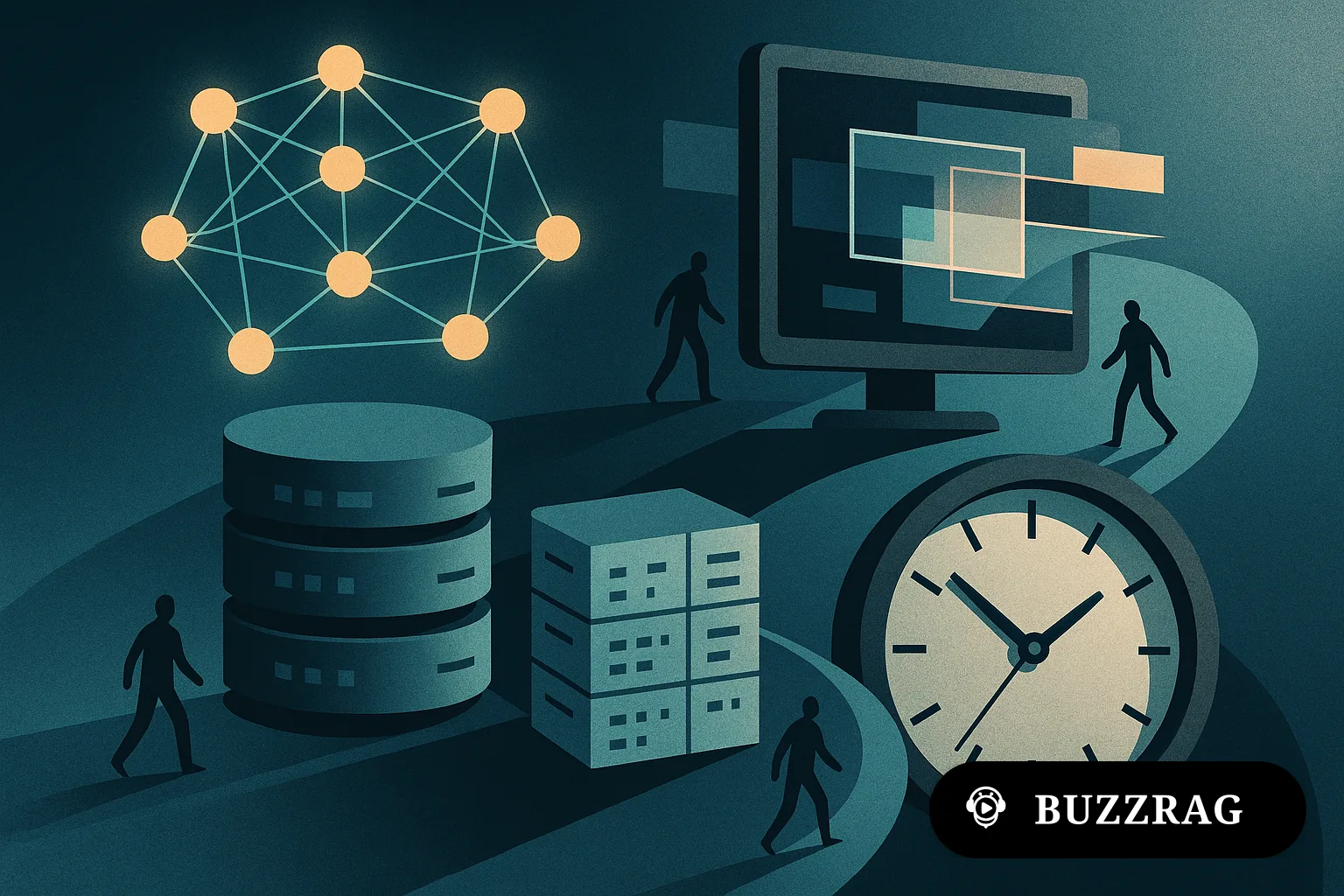
Engrim is a new local-first SQLite memory engine intended to give AI command-line tools a shared, persistent place to store context. Its appeal is straightforward: instead of forcing every assistant or agent to rebuild a user’s preferences and project history from scratch, a lightweight local database can make memory portable, inspectable, and available across tools.
That approach revives an older and more durable software pattern. SQLite has long succeeded by putting a dependable database inside the application rather than behind a remote service; applying that model to AI memory addresses both latency and privacy concerns. It also exposes the hard parts that marketing language tends to hide: deciding what deserves to be remembered, correcting false memories, managing sensitive data, and preventing context accumulation from degrading answers. The project’s importance will be measured not by whether it can save text, but by whether developers can build useful, auditable memory policies around it.
When Skipping Ads Becomes a Subscription Feature
TiVo is reportedly ending free automatic commercial skipping for its recordings in November while testing a paid replacement service. The shift turns a familiar feature of the digital video recorder era into a recurring-revenue decision: viewers may still own or control their recordings, but an automated function that removes advertising could become an extra layer of service.
The dispute touches an old fault line in media technology. Time-shifting was once presented as a way for audiences to decide when to watch; ad skipping made that control more direct, and broadcasters have spent years treating it as a threat to the advertising model. Charging for the capability suggests a compromise in which convenience is monetized rather than prohibited outright. It also raises a broader ownership question: when software processes a recording stored on a device or account, is the resulting capability part of the product, or a revocable service? The answer will shape expectations well beyond television.
The Streaming Era’s Synthetic Content Test
A 24-hour streaming channel built around films made with generative AI is putting a blunt version of synthetic entertainment in front of viewers: an ad-supported feed designed to run continuously, even when the material may not meet conventional standards of narrative or visual quality. The result is less a breakthrough in filmmaking than a demonstration of how cheaply a channel-shaped stream can now be assembled.
Television has always contained filler, from low-cost reruns to formulaic direct-to-video programming. Generative systems change the economics by reducing the cost of producing images and scenes, but they do not remove the need for story structure, editorial judgment, or audience trust. A channel stocked with weak synthetic work could become a useful stress test for the market: will viewers accept endless novelty, or will the absence of craft make the savings obvious? The more important question is whether distribution platforms will reward volume over quality—and whether audiences can tell when “AI cinema” is being used as a description or an excuse.
Earth’s Unsteady Clock Is a Technology Problem
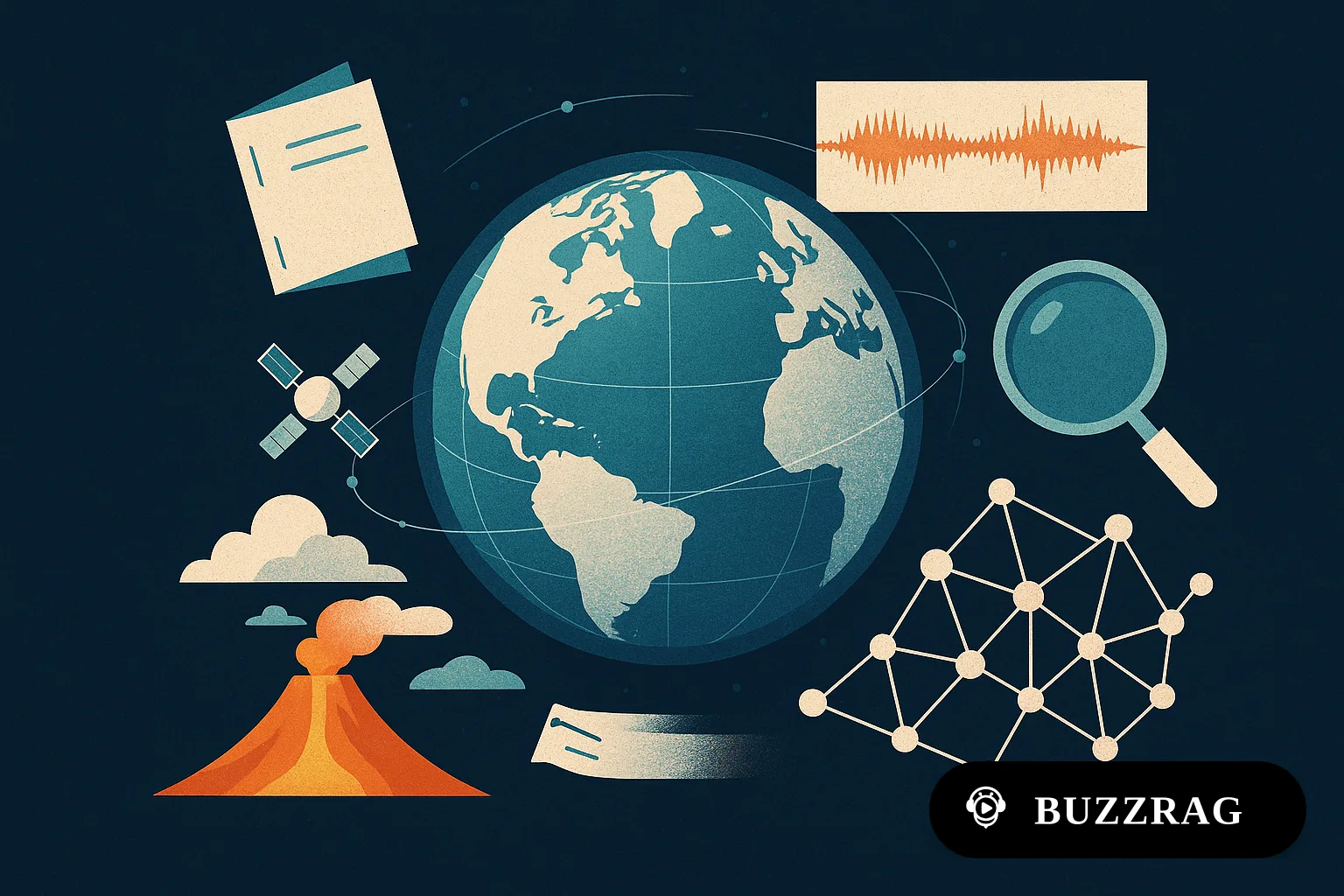
A new report highlights an uncomfortable fact about modern timekeeping: the clock used by digital infrastructure is not perfectly aligned with the rotating planet beneath it. Earth’s rotation varies slightly because of atmospheric movement, ocean dynamics, seismic activity, and changes in the planet’s interior, creating tension between astronomical time and the highly regular atomic time used by networks and computers.
That tension has already required leap adjustments, and future changes in rotational behavior could make time synchronization more complicated. Financial systems, telecommunications, navigation, scientific instruments, and distributed databases all depend on clocks agreeing closely enough to order events. A tiny correction can be invisible to a person and disruptive to software that assumes time always moves in neat, predictable increments. The lesson is historical as much as technical: every supposedly natural standard becomes an engineered compromise once civilization depends on it. Engineers will need robust handling for irregular time rather than treating exceptional clock events as impossible.
A Child-Safety Case Tests the Limits of Parental Judgment
A Virginia mother has been convicted after her five-year-old walked a short distance alone to a pond, according to reporting from The Washington Post. The case is not a technology story in the narrow sense, but its appearance in a technology-heavy news stream reflects a recurring digital-era pattern: local disputes over risk, supervision, and social norms become national arguments about how families should be judged.
The underlying question is difficult because child safety is both real and context-dependent. A gated community, a nearby body of water, the child’s maturity, and the circumstances of the walk may all matter, yet a criminal standard must also distinguish an isolated lapse from serious neglect. Networked discussion tends to flatten those distinctions, turning a complex legal record into a referendum on “free-range” parenting or surveillance. The case is a reminder that technology’s influence is not limited to devices; platforms shape which family decisions become public, how quickly outrage travels, and how much room remains for nuance before judgment hardens.
The next pressure points are clear: whether AGI claims acquire measurable definitions, whether local memory becomes a standard layer for AI agents, and whether synthetic video finds an audience beyond novelty. Watch, too, for the quieter infrastructure stories—time synchronization, platform economics, and the legal boundaries of autonomy—that determine how these systems function in ordinary life.