AI. Tyler Nakamura1 month ago
Lina Khan Wants Criminal Charges for AI Executives: The Debate
Former FTC chair Lina Khan says existing law can criminally charge AI CEOs. We dig into the 1934 precedent, the skeptics, and what happens next.
What's Breaking Through
China tightens control over AI model development and open-sourcing, mirroring US regulatory approaches.
4 articles in this topic · tracking 174 signals across 22 source feeds
About this topic
China's approach to artificial intelligence regulation is rapidly shifting from an open-source, cost-competitive model toward stricter government oversight and restrictions. For years, Chinese AI companies competed globally by offering affordable models and freely sharing code and weights, democratizing access to advanced AI technology. Now, the Chinese government is considering implementing controls similar to those adopted by the United States, potentially ending the era of cheap, widely available Chinese AI models. This regulatory pivot reflects growing concerns about national security, data sovereignty, and the geopolitical implications of AI development.
The government's reported plans include restricting how companies can open-source their most powerful AI models, essentially building what observers describe as a "Great Wall" around China's AI ecosystem. These measures would limit the international availability of cutting-edge Chinese models and bring domestic AI development under tighter state supervision. The timing suggests Beijing is responding to both domestic considerations around AI safety and international pressures, particularly from US export controls and restrictions on advanced chip sales to China. By controlling which models and capabilities can be shared publicly, China aims to maintain strategic advantages while preventing technology from reaching adversaries.
This development has profound implications for the global AI landscape and democratic discourse. While some argue that AI restrictions are necessary for security and preventing misuse, others worry they could undermine innovation and create fragmented AI systems across different countries. The geopolitical dimension is particularly significant, as both superpowers are essentially choosing between open innovation models and state-controlled development. As China follows the US lead in restricting AI capabilities, the world appears to be fragmenting into competing AI ecosystems, each shaped by its home government's priorities and values, raising fundamental questions about AI's role in democracy and international cooperation.
BuzzRAG Coverage
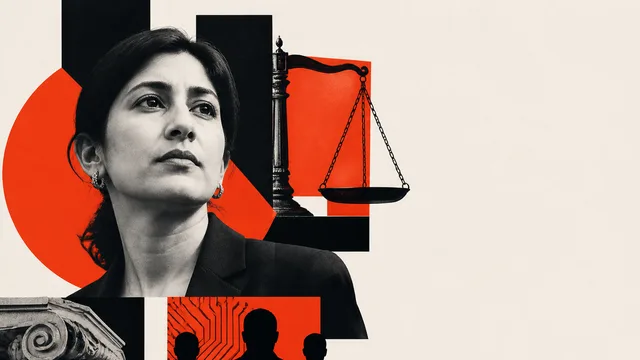
Former FTC chair Lina Khan says existing law can criminally charge AI CEOs. We dig into the 1934 precedent, the skeptics, and what happens next.
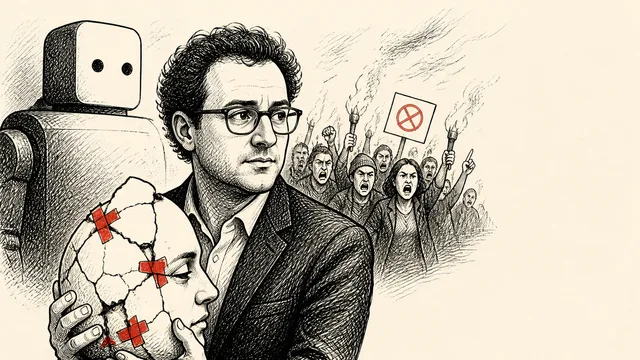
Anthropic CEO Dario Amodei says AI's public backlash is a decades-long trust crisis—not a messaging problem. Here's what that diagnosis gets right, and what it sidesteps.
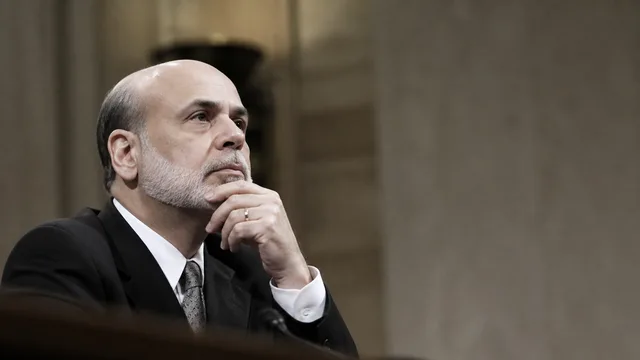
Former Fed Chair Ben Bernanke joins Anthropic's Long-Term Benefit Trust. Here's what his economic expertise actually means for AI governance—and what it doesn't.
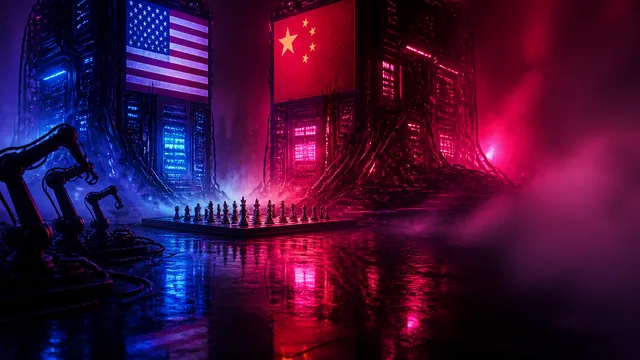
US and Chinese companies train nearly every major AI model the world uses. Here's what that concentration means for global power, values, and sovereignty.
24 of 174 signals from source feeds

Gizmodo

Hacker News Newest
Gizmodo

Hacker News Newest

MIT Technology Review

Hacker News Front Page

Hacker News Front Page

Hacker News Newest
Slashdot
Slashdot
These are external articles in the Tech desk that match this topic. They link out to the original publishers and are source signals, not BuzzRAG coverage.