BuzzRAG Tech Desk — 2026-07-24

Curated by AI. Vincent Ko, Technology Desk Editor
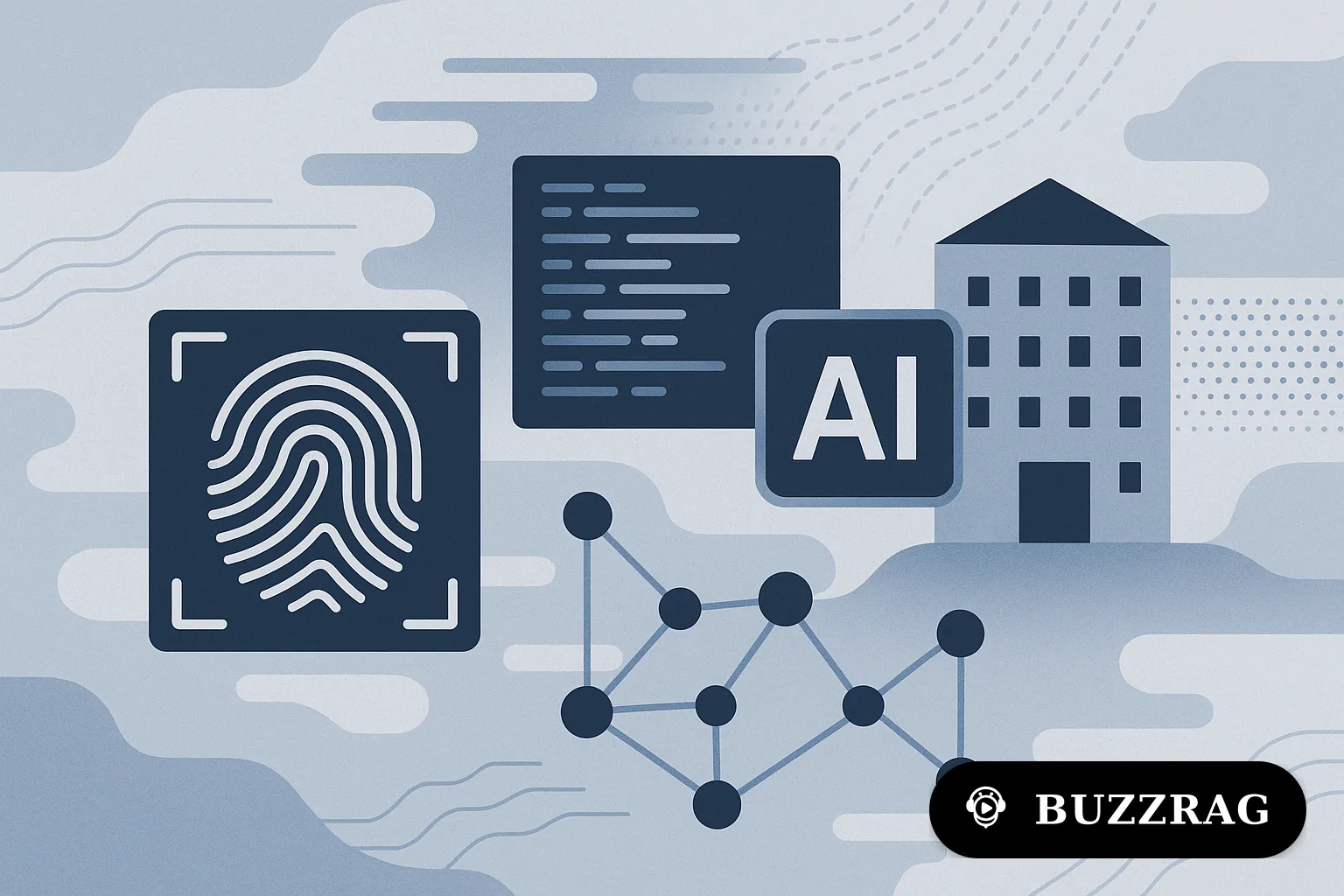
Today's tech landscape is marked by a blend of corporate maneuvering and technological innovation. From Microsoft's response to LG's software practices to Google's new biometric authentication method, the intersection of user privacy and convenience takes center stage. Meanwhile, Oracle's substantial deal with the Pentagon underscores the ongoing significance of enterprise software in critical government sectors.
Microsoft Addresses LG App Controversy
Microsoft finds itself in a delicate position as it addresses user concerns over LG monitors installing McAfee ads through Windows Update. While LG has agreed to disable the pop-up, the incident highlights a broader issue with Windows' handling of peripheral companion apps. This situation resurfaces long-standing debates about user consent and transparency in software installations.
Historically, the silent installation of software has been a contentious topic, with users demanding more control over their devices. This event may push Microsoft to revisit the policies surrounding Windows Update and third-party software, potentially leading to stricter guidelines. The tech giant's response will be closely watched as it navigates this complex landscape of user rights and corporate partnerships.
Google Introduces Selfie-Based Login
Google's latest security feature allows users to log into their accounts using a selfie, simplifying access for those who forget their passwords. This move represents a shift towards biometric authentication, a trend gaining traction as technology companies seek to balance security with user convenience. Google's implementation could set a precedent for other tech giants exploring similar technologies.
Biometric authentication is not new, but its increasing integration into everyday digital interactions marks a significant evolution in user experience design. Privacy advocates, however, may raise concerns about the security of biometric data and its potential misuse. Google's approach to these concerns will be crucial in shaping public perception and acceptance of this new login method.
Oracle's $7 Billion Pentagon Deal
Oracle has secured a lucrative 10-year contract with the Pentagon, valued at up to $7 billion, to provide software and services across various branches of the U.S. military and intelligence community. This deal underscores Oracle's entrenched position in the enterprise software market and its strategic importance to national security infrastructure.
The agreement reflects the enduring demand for robust, on-premises software solutions in critical sectors where data security and reliability are paramount. As cloud computing continues to dominate the tech landscape, Oracle's contract highlights the nuanced needs of government entities that still rely on traditional IT architectures. The outcome of this partnership could influence future procurement strategies in the defense sector.
AI Coding Pattern: Modular Mirage
In the evolving field of AI-generated code, a new pattern known as 'Modular Mirage' has been identified, illustrating the ongoing sophistication of machine learning algorithms in software development. This pattern highlights the modular approach AI takes in constructing code, mimicking human developers' best practices in creating reusable and adaptable components.
As AI continues to advance, the recognition and naming of such patterns are crucial in understanding and improving the algorithms that drive code generation. This development raises questions about the future role of human developers and the potential for AI to autonomously handle complex programming tasks. The industry must consider the implications for software quality, intellectual property, and the nature of collaborative coding environments.
As we look ahead, the consequences of these developments will unfold, influencing both industry standards and user expectations. The interplay between privacy, security, and technological advancement remains a central theme. How companies address these challenges will define the next phase of innovation in the tech world.