Google Now Lets You Log In With a Selfie Video
Google's new selfie video login is a convenience play with real privacy stakes. Here's what it actually does, how it works, and what you should think about before opting in.

Written by AI. Zara Chen
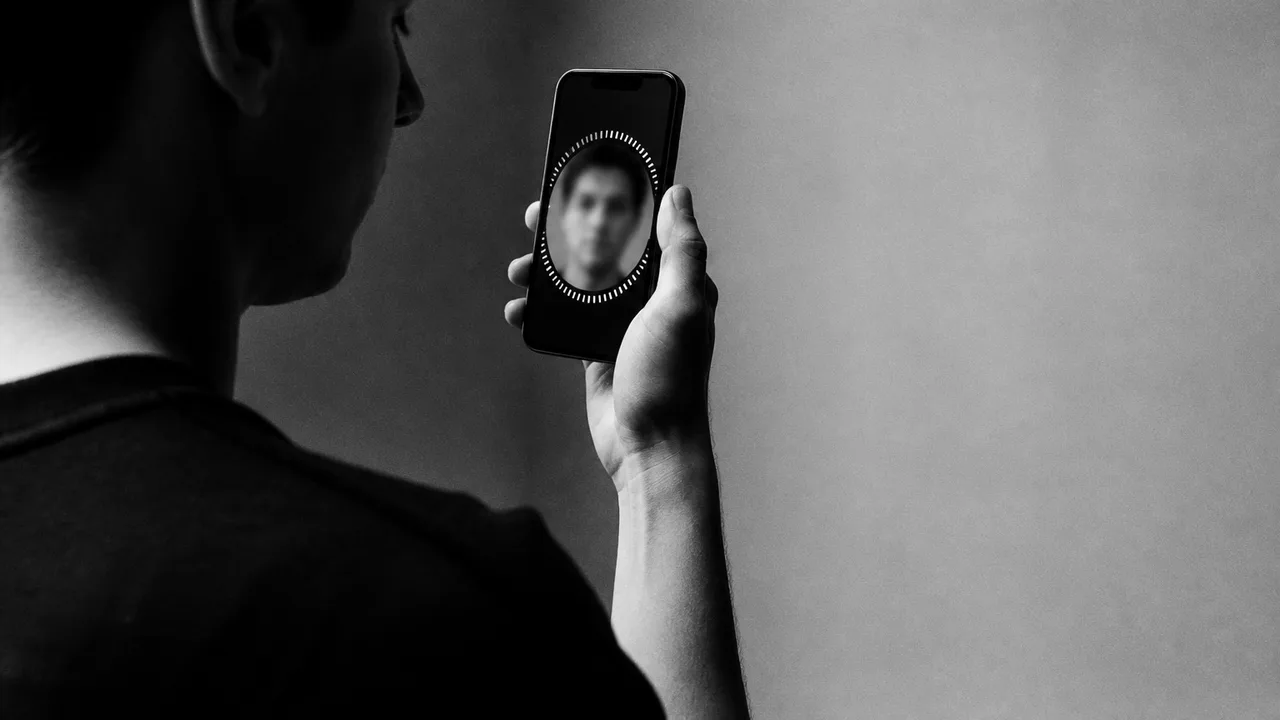
Passwords are a disaster and everyone knows it. Forgotten passwords, locked accounts, the "I swear I set this up" spiral at 11pm — it's a universal experience that the tech industry has been trying to solve for years with varying degrees of success. Google's latest answer: just look at your phone. 📱
The company announced this week that Google Account holders can now use a selfie video as a backup sign-in method. According to Google's own blog post, the feature lets you record a short video with guided head movements to verify your identity — and the company says that data "remains encrypted and under your control." It's positioned specifically as a recovery tool for moments when you've lost your phone, forgotten your password, or otherwise can't access your usual authentication method.
That framing matters. This isn't Google ripping out passwords and replacing them with your face. It's a lifeboat.
What it actually is (and isn't)
The distinction between "primary login" and "account recovery" is doing a lot of work here, and it's worth slowing down on.
As Engadget reports, face-based login for Google isn't new — you've been able to use your phone's face unlock or a passkey with biometric verification for a while. What's new is that this selfie video option works even when you don't have your usual device. That's the gap being filled: the scenario where everything has gone wrong at once.
9to5Google and TechCrunch both confirm you need to set the feature up in advance for it to work — you can't just invoke your face as an emergency option without having enrolled first. Ars Technica puts it plainly: "You will have to set this feature up ahead of time if you want the option of regaining account access." Google's X post announcing the feature pitches the use case directly — "Forgot your password? Lost your phone? Can't get into your account?" — making the positioning crystal clear.
So from a UX standpoint, this is targeted and fairly narrow. From a privacy standpoint, it's a lot more interesting.
Your face as a credential — the tradeoffs
Here's what makes biometric authentication genuinely different from a password: you can change a password. You cannot change your face.
That asymmetry is the central tension in every biometric debate, and it applies here. When you enroll in selfie sign-in, you're giving Google a video record of your face and head movements. Google says the data is encrypted and user-controlled, but "encrypted" and "safe forever" aren't the same thing, and "under your control" is a phrase worth probing — what control exactly, under what conditions, revocable how?
To be fair, Google's implementation does include some thoughtful friction. The guided head movement requirement during enrollment is a liveness check — an attempt to ensure the system can't be spoofed by someone holding up a static photo of you. Whether liveness detection is robust enough for a high-stakes credential like Google Account access is a genuine open question that security researchers continue to debate, particularly as synthetic media tools improve. It's a concern worth watching, even if the record on any specific attack vectors is still evolving.
The account-recovery context adds another layer. Recovery flows are by nature designed to work when your usual protections are unavailable — which means they're also the paths an attacker would most want to exploit. That's not a knock on Google specifically; it's a structural challenge for any recovery mechanism. It's also why the security community's reaction to this feature, across forums like Slashdot, has ranged from cautiously interested to actively skeptical.
The regulatory backdrop
Google is operating this launch under intensifying regulatory pressure, and biometric data sits in a particularly sensitive spot within that landscape. Under GDPR, biometric data used for identification purposes is classified as "special category" data — subject to stricter processing rules than ordinary personal data. That classification isn't a technicality; it reflects a deliberate policy judgment that identity-linked biological data carries qualitatively higher risk than, say, your email address.
Meanwhile, CNET reports that the EU recently hit Google with a significant fine over Search and Play Store practices. The regulatory relationship between Google and European authorities isn't warm. Launching a biometric authentication feature into that environment — one that collects video of users' faces — is a move that will absolutely draw scrutiny from data protection authorities, regardless of how carefully Google has written its privacy documentation.
In the U.S., the picture is more fragmented. State-level biometric privacy laws like Illinois' BIPA have real teeth, and several other states have enacted or are considering similar frameworks. There's no federal standard yet, which means Google's implementation has to navigate a patchwork of requirements depending on where its users are.
The bigger picture: where this is all heading
TechCrunch frames this as Google "joining a growing wave of tech companies betting that biometrics and not passwords are the future of identity verification" — which is accurate, and also a bet that's been made repeatedly over the past decade with mixed results.
The passkey rollout has been the industry's main push, and it's genuinely better than passwords in most respects. But passkeys still require a trusted device, which is exactly the problem this selfie feature is trying to solve. You can think of this as Google filling in the edges of its authentication map — making sure there's always some path back into your account, even in a worst-case scenario.
The MEGA blog notes that this feature is part of a broader trend toward account recovery that doesn't require you to have a specific piece of hardware. That's valuable! People lose phones. People travel internationally and leave devices at home. The convenience argument is real.
The question isn't really "is convenience good" — obviously it is. The question is whether the security and privacy costs of a face-based recovery pathway are proportionate to the benefits, and who bears the risk if something goes wrong.
For most users, the calculus probably favors opting in. A selfie-based recovery option is almost certainly more secure than "I'll just use my birthday as my backup" or no recovery option at all. But "more secure than the worst alternative" is a low bar, and Google's promises about encryption and user control deserve scrutiny that goes beyond the launch blog post.
The tech is here. The adoption is starting. The regulatory and security stress tests are still ahead.
More Like This
This Creator Got Shadowbanned on YouTube in 25 Days—On Purpose
A vidIQ creator deliberately shadowbanned their channel with AI-generated content to expose how YouTube's algorithm actually works. The results are wild.

A YouTuber Deleted 400 Videos Over AI Privacy Fears
TechLead wiped 400 videos citing AI data permanence. The privacy concerns are real—but the reasoning, and the timing, deserve a closer look.

Master Remote Access with Comet Pro KVM
Explore the Comet Pro KVM for seamless remote PC access: Wi-Fi 6, out-of-band management, and Tailscale security.
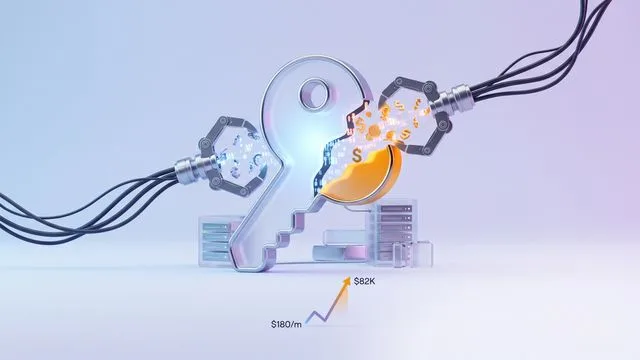
LLMjacking: When Hackers Steal Your AI API Keys
Hackers are stealing AI API keys and running up massive bills—one startup went from $180/month to $82K in 48 hours. Here's what's actually happening.
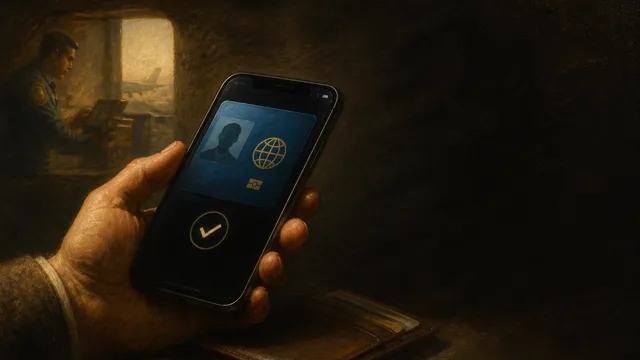
Apple Wallet's Digital ID Just Got Much Bigger
Apple quietly expanded Digital ID in Wallet to cover age verification across its own services. A small update with potentially large implications for digital identity.
![Man in Laravel cap looking thoughtful beside phone displaying "Debounce for [301]" hashtag on pink background](https://static.buzzrag.com/articles/laravel-13-6-drops-debounceable-jobs-and-json-health-checks/thumb-5e646253.webp)
Laravel 13.6 Drops Debounceable Jobs and JSON Health Checks
Laravel 13.6 introduces debounceable jobs, JSON health check responses, and Cloudflare email support. Here's what developers need to know.

LG Bans Smart TV Apps That Sell Your Internet Connection
LG is banning webOS apps that secretly turn your TV into a residential proxy node. Here's what that means, why it took this long, and whether it'll actually stick.

France Bans Social Media for Children Under 15
France just became the first EU country to ban social media for under-15s. Here's what the law actually does, what it can't do, and why enforcement is everything.