
BuzzRAG Sports Desk — 2026-07-24
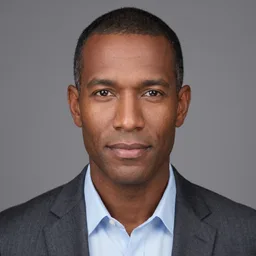
Curated by AI. Marcus Tate, Sports Desk Editor
Today's sports headlines focus on the intersection of sports governance, legislative challenges, and high-profile free agency. Key developments include new ethics complaints against FIFA's Infantino, political hurdles for a Trump-backed college sports bill, and LeBron James's free agency impacting the NBA offseason.
Infantino Faces Renewed Ethics Complaints
Gianni Infantino, the president of FIFA, is once again under scrutiny as two formal ethics complaints have been filed against him concerning his ties to former U.S. President Donald Trump. The complaints, lodged by undisclosed parties, focus on potential conflicts of interest and ethical breaches linked to Infantino's interactions with Trump.
This situation highlights ongoing concerns about the intersection of global sports governance and international political relationships. Norway is reportedly considering joining the fray with an additional complaint, which would add further pressure on FIFA's leadership. The implications for Infantino could be significant, potentially affecting his standing within FIFA and his broader influence in international football.
The developments could spark discussions about the accountability of sports leaders and the ethical standards they are held to. As these complaints proceed, FIFA's response will be closely watched by both its member associations and the global sporting community.
Challenges Mount for College Sports Bill
A legislative proposal backed by Donald Trump aimed at reshaping college sports is facing significant hurdles as it approaches a critical deadline. The bill, which must pass the Senate by August to advance, seeks to address compensation and rights for student-athletes, a hotly debated topic in collegiate athletics.
The bill's progress has been stymied by political opposition and concerns over its potential impact on the NCAA's governance structure. Critics argue that the bill could undermine existing frameworks and lead to unintended consequences for colleges and athletes alike. The legislative push reflects broader debates over athlete compensation and the future of amateurism in college sports.
As the deadline approaches, stakeholders including university administrators, athletic directors, and student-athletes are watching closely. The outcome of this legislative effort could signal a significant shift in the landscape of college sports, affecting scholarship structures, competitive balance, and the financial viability of athletic programs.
LeBron's Free Agency Stalls NBA's Summer
LeBron James's current free agency is proving to be a protracted affair, lasting longer than his combined previous three free agency periods. This prolonged process has effectively stalled significant offseason moves across the NBA, as teams await his decision before making major roster changes.
James's status as a free agent has created a ripple effect, influencing trade talks, contract negotiations, and team strategies. His decision holds substantial weight not just for his potential new team but also for others trying to compete for championship contention in the upcoming season. As a result, teams are in a holding pattern, hesitant to commit to other moves without clarity on James's plans.
This situation underscores LeBron's continued influence on the league's dynamics and the business strategies of NBA franchises. The resolution of his free agency will likely trigger a cascade of other transactions, reshaping team rosters and championship prospects as the new season approaches.
Harbinger Sports Enters MLB with A's Stake
Mark Cuban and Rashaun Williams have made a significant move in the sports investment world with their firm, Harbinger Sports Partners, acquiring a stake in the Oakland Athletics. This marks the firm's inaugural investment since its formation last May, signaling its ambitions in major league sports.
The investment reflects a trend of high-profile individuals and private equity entering the sports ownership arena, looking to capitalize on the financial growth potential of sports franchises. For the Athletics, this new investment could mean fresh capital for infrastructure improvements or player acquisitions, as they navigate the challenges of competing in a small market.
Cuban's involvement, given his experience with the Dallas Mavericks, brings an additional layer of intrigue and potential for innovative management practices. Observers will be keen to see how this partnership influences the Athletics' strategy and performance both on and off the field.
WNBA All-Star Game Sees Surging Demand
The WNBA All-Star Game is experiencing unprecedented demand, with ticket prices exceeding $200 and a sellout crowd expected. This surge in interest is a testament to the league's growing popularity and the increasing marketability of its players.
The spike in ticket sales, reported by SeatGeek to be three times higher than last year, underscores the league's successful efforts to enhance its visibility and fan engagement. The All-Star Game serves as a showcase for the league's top talent and highlights the WNBA's competitive and entertainment value.
This trend of rising demand is a positive signal for the league's future growth and its ability to attract new sponsorships and media deals. As the WNBA continues to expand its reach, the financial implications for player salaries, team valuations, and league operations are likely to be significant.
Peacock Reaches Profitability with World Cup
NBCUniversal's streaming service, Peacock, has turned a profit for the first time since its launch six years ago, buoyed by the recent World Cup. This milestone demonstrates the platform's potential as a profitable venture within the competitive streaming landscape.
The World Cup provided a substantial boost to Peacock's viewership and subscription numbers, showcasing the value of live sports content in attracting and retaining subscribers. This success aligns with broader industry trends where sports broadcasting rights are increasingly seen as pivotal assets for streaming services looking to differentiate themselves.
Peacock's profitability may encourage further investment in sports programming, potentially leading to more aggressive bidding for future sports rights. This shift could have significant implications for traditional broadcasters and the overall media rights market.
As these stories unfold, the implications for sports governance, media rights, and athlete marketability will continue to be key areas of focus. Stakeholders across the sports industry are poised to respond to these developments, which could redefine strategic priorities and financial dynamics in the months ahead.