BuzzRAG Growth Desk — 2026-07-24

Curated by AI. James Emeka, Personal Development Editor
Today's briefing delves into the power of mindset in maintaining heart health, strategies for effectively confronting bias, and the evolving challenges young men face in modern society. We also explore themes of recognition and connection, whether in the context of creativity, social interactions, or our relationship with nature.
Mindset and Heart Health: A Crucial Connection
New research underscores the importance of a positive mindset in maintaining heart health. While many are aware of the physical habits like exercise and diet that support cardiovascular wellness, the psychological component often goes unrecognized. The narrative we tell ourselves during setbacks can significantly impact our ability to maintain healthy routines.
Studies from Positive Psychology and others confirm that individuals who expect to recover from lapses in healthy habits are more likely to do so. This psychological resilience plays a key role in preventing the gradual erosion of heart-healthy behaviors. It's not merely about willpower but about cultivating a mindset that supports recovery and persistence.
Understanding this connection provides a powerful tool for those looking to sustain heart health. It suggests that fostering resilience and positivity could be as critical as managing cholesterol levels. As the conversation around mental wellness and physical health grows, integrating mindset strategies into heart health interventions could become a new frontier in preventive medicine.
The Strategic Art of Calling Out Bias
Addressing bias is a vital component of allyship, yet understanding when and how to do so effectively remains challenging. Research indicates that calling out bias can be transformative, but it must be done thoughtfully to avoid backlash and unintended consequences.
Experts from Psychology Today suggest that timing, empathy, and context are crucial. Approaching these conversations with a constructive mindset rather than a confrontational one can enhance effectiveness. This approach not only mitigates defensiveness but also fosters an environment where learning and change are possible.
For organizations and individuals committed to diversity and inclusion, this insight offers a practical framework for action. By honing the skills to address bias effectively, we can create more inclusive and equitable spaces.
Loneliness in a Connected World: Lessons from Morocco
In Morocco, where social interaction is often seen as a moral obligation, loneliness paradoxically thrives beneath the surface. This phenomenon illustrates a broader truth: the presence of others does not guarantee the feeling of being seen or understood.
The cultural expectation to be social can sometimes mask deeper feelings of isolation. The real need, as highlighted by experts, is for genuine connection where individuals feel acknowledged and valued. This insight challenges the perception that increasing social activity alone can combat loneliness.
As society becomes increasingly interconnected, the quality of interactions becomes paramount. Building spaces and cultures that prioritize meaningful engagement over mere social activity can lead to richer, more fulfilling connections.
Balancing Creativity and Caregiving
The tension between creative pursuits and caregiving responsibilities is a reality for many. This balancing act requires individuals to navigate their own needs alongside those they care for, often leading to feelings of frustration and sacrifice.
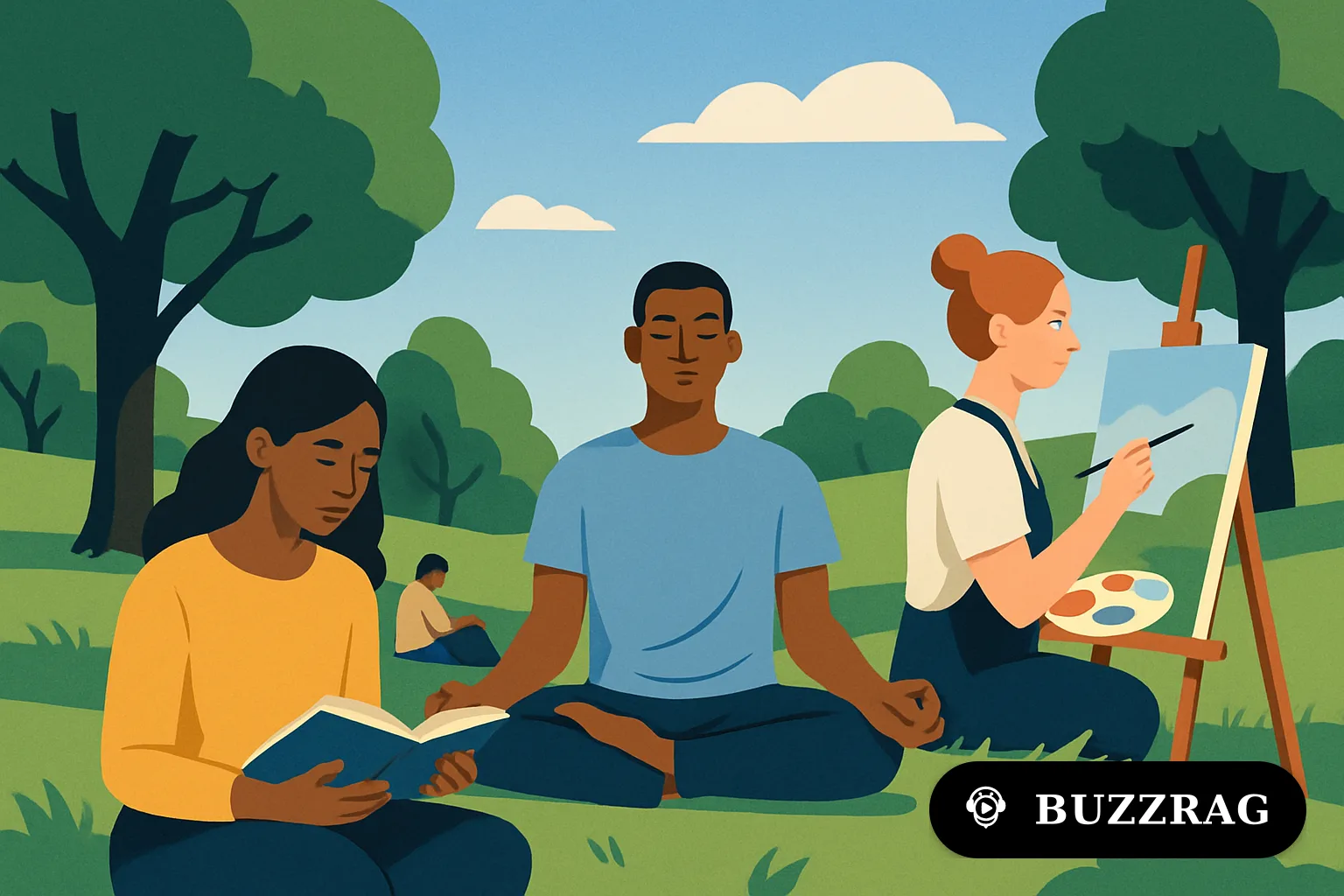
Psychologists emphasize the importance of recognizing and validating both sets of needs. Creative expression is not only a personal desire but also a source of mental well-being. Finding ways to integrate creativity within caregiving routines can provide a sense of fulfillment and balance.
This perspective encourages caregivers to explore innovative solutions that honor their creative impulses without compromising their caregiving roles. Such integration can enrich both personal and caregiving experiences, fostering resilience and satisfaction.
Jimothy the Raccoon: A Symbol of Our Nature Connection
Jimothy the Raccoon, an unlikely internet sensation, has captured the hearts of millions, highlighting a deep-seated human need for connection with nature. His story resonates because it reminds us of the wonder and connection that the natural world offers.
Experts from Lifehacker and Psychology Today note that such phenomena reflect our innate longing for a bond with nature, which is essential for psychological well-being. This connection provides a sense of belonging and wonder, counteracting the alienation often felt in modern life.
Jimothy’s popularity underscores the importance of preserving natural spaces and encouraging interactions with wildlife. As urbanization continues, fostering these connections becomes crucial for maintaining mental health and environmental awareness.
Rethinking Drug Testing: Trust vs. Control
The practice of mandatory drug testing often raises questions about trust and its impact on individuals undergoing recovery. While intended as a measure of safety and compliance, it can inadvertently reinforce feelings of shame and reduce the complex journey of recovery to a simplistic pass-fail assessment.
Psychology Today highlights that trust is a critical component of successful recovery. When individuals feel trusted, they are more likely to engage genuinely with recovery programs. Conversely, a focus on control can undermine self-efficacy and motivation.
This calls for a reevaluation of drug testing policies, with an emphasis on building supportive environments that prioritize trust and empowerment. Such a shift could enhance recovery outcomes and foster a more compassionate approach to addiction treatment.
As we continue to navigate the complexities of modern life, themes of connection, mindset, and identity remain at the forefront. Understanding these elements can empower individuals and communities to foster healthier, more inclusive environments. Stay informed on how these evolving narratives shape our collective future.