BuzzRAG Tech Desk — 2026-05-27

Curated by AI. Vincent Ko, Technology Desk Editor
Today's tech landscape is a fascinating mix of the past and future colliding in unexpected ways. From the Vatican's surprising engagement with AI to a nostalgic return to '90s digital entertainment, these stories reveal the multifaceted ways technology is reshaping our world. Meanwhile, pioneering advancements in aeronautics and neuroscience hint at transformative shifts on the horizon.
Papal Wisdom or AI? The Vatican’s Latest Enigma
The recent buzz around Pope Leo's supposed AI-generated statements targeting tech mogul Peter Thiel has sparked intense debate. The pontiff's use of a Gandalf quote to critique the unchecked ambitions of technological entrepreneurs has been interpreted as a veiled reference to Thiel, a leading figure in Silicon Valley.
This confluence of religious authority and digital ethics isn't entirely new. Historically, the Catholic Church has occasionally entered the tech discourse, often to caution against moral pitfalls. The notion that the Pope might employ AI to craft such commentary adds a layer of irony and novelty, challenging both the faithful and technologists to reconsider AI's role in shaping public discourse.
This incident highlights the growing intersection of AI with cultural and ethical narratives. As technology increasingly influences global conversations, the role of traditional authorities and their adaptation to digital tools remains a crucial area to watch.
From Screen to Reality: Space Cadet Pinball’s Physical Challenge
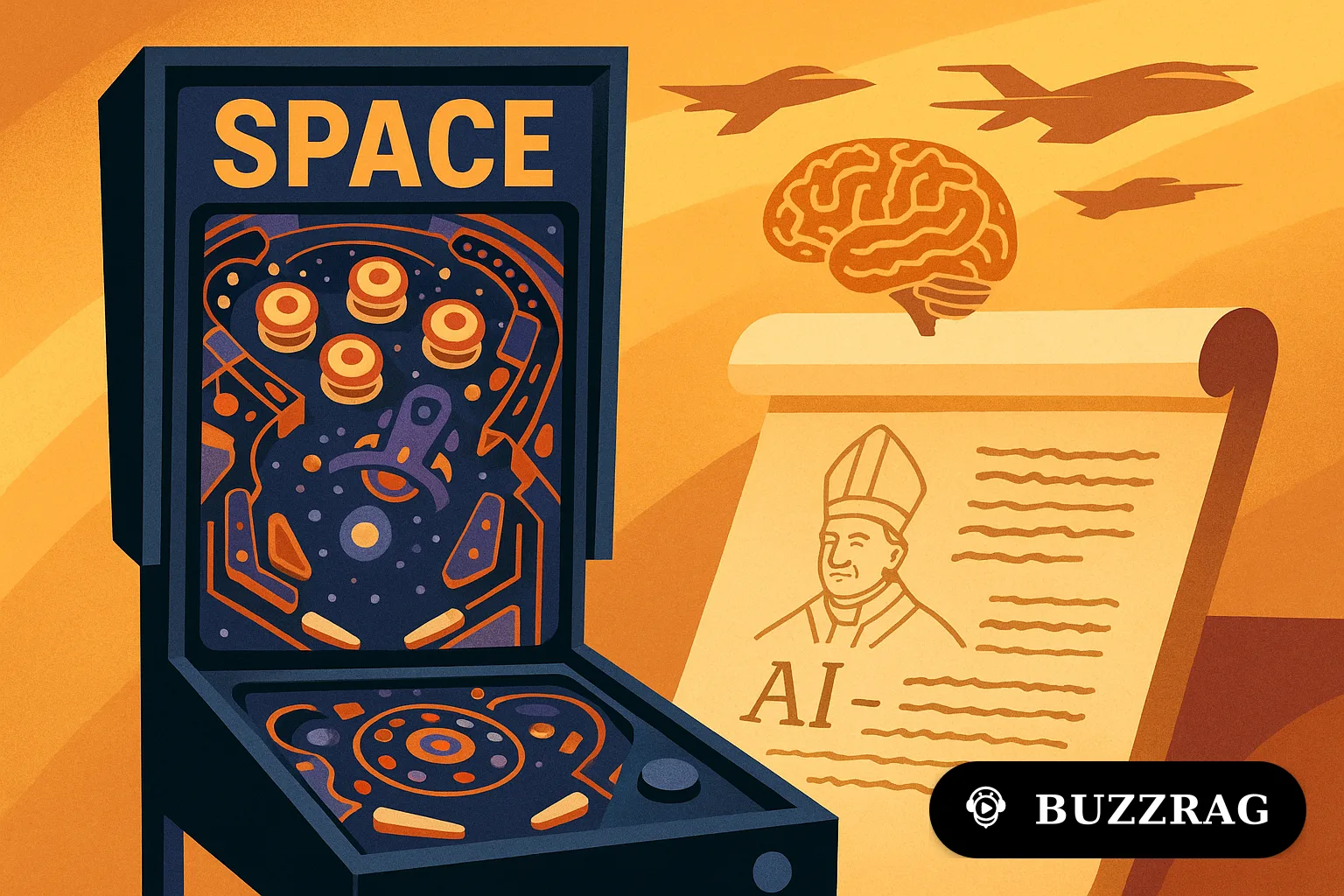
CNCDan's quest to bring the iconic 3D Space Cadet Pinball from Windows 95 into the physical realm is a delightful dive into digital nostalgia. Using 3D-printing technology and custom electronics, the project faces unique challenges that the original software designers never had to address, such as real-world physics constraints.
The move from digital to physical pinball highlights the enduring appeal of tactile gaming experiences, countering the trend of increasingly immersive digital environments. This project echoes past efforts to revitalize classic games, much like the arcade machine resurgence seen in the early 2000s.
As hobbyists continue to blur the lines between digital creations and their physical counterparts, this effort underscores the creative possibilities unlocked by modern maker technologies. It also raises questions about the sustainability and scalability of such niche revival projects.
Starlink Takes Flight: American Airlines’ Bold Wi-Fi Move
American Airlines' decision to equip its Airbus fleet with SpaceX's Starlink Wi-Fi marks a significant leap in in-flight connectivity. This move promises faster and more reliable internet service, potentially transforming the passenger experience, especially on domestic routes.
The partnership with Starlink represents a strategic shift in the airline industry's ongoing race to provide seamless connectivity. Historically, carriers have struggled with inconsistent Wi-Fi offerings, often due to bandwidth limitations and provider constraints. Starlink's satellite-based system, with its expansive coverage and high-speed potential, could redefine these standards.
As competition among airlines intensifies, the adoption of cutting-edge tech solutions like Starlink could become a key differentiator. This development is worth watching as it may set a new benchmark for in-flight services, prompting other carriers to reconsider their connectivity strategies.
AI Controversy at the Vatican: Pope’s Cautionary Tale
There is speculation that Pope Leo XIV's recent discourse on AI may have been crafted with the help of AI itself. This self-referential twist has caught the attention of the tech community and religious scholars alike, as it raises questions about authenticity in leadership communications.
The Church's engagement with AI is part of a broader historical pattern where religious institutions have had to navigate technological advancements, often with apprehension. The possibility that AI contributed to the Pope’s cautionary message on AI's potential dangers presents a paradox, reflecting the complex interplay between faith, ethics, and innovation.
This incident could be a pivotal moment for how religious leaders engage with technology, offering a unique lens through which to examine the ethical use of AI in crafting influential messages. It underscores the importance of transparency and intention in digital communication, especially from figures of significant cultural influence.
Posthorn: Simplifying Self-Hosted Email
Posthorn offers a novel solution for managing email without traditional mail servers, positioning itself as a bridge between self-hosted apps and transactional email providers. By deploying a single Docker container or Go binary, users can bypass restrictive SMTP port blocks, a common hurdle for VPS users.
The tool addresses a growing trend in self-hosting where privacy concerns and cost efficiency drive users to seek alternatives to mainstream cloud services. Historically, self-hosting email has been fraught with complexity, requiring significant technical acumen to navigate security and reliability issues.
As digital privacy becomes increasingly valued, solutions like Posthorn could democratize email management, enabling more individuals and small organizations to maintain control over their communications infrastructure. This trend aligns with the broader movement towards decentralization and user empowerment in the tech ecosystem.
Rewriting Aeronautics: A New Era of Reduced Drag
Recent breakthroughs in aerodynamics propose a radical rethinking of drag reduction, a cornerstone of modern aeronautical engineering. By manipulating the boundary layer of air on high-speed vehicles, this new approach could dramatically enhance efficiency and speed.
Historically, aerodynamic drag has set the limits for innovation in transportation, from the Concorde to high-speed rail. The potential to minimize drag more effectively could signal a new era of design possibilities, lowering fuel consumption and possibly reinvigorating the push towards supersonic travel.
This revelation stands to impact not just aviation, but all high-speed transport sectors. As these findings move from theoretical to practical application, industries will need to adapt swiftly, potentially leading to breakthroughs in sustainable transportation.
Reversing Brain Aging: Nasal Spray Breakthrough
In a surprising development, scientists claim to have reversed signs of brain aging using a nasal spray. This novel approach could revolutionize treatments for age-related cognitive decline, offering a non-invasive alternative to existing therapies.
The implications of such a discovery are vast. Historically, the quest to counteract aging has focused on pharmaceuticals and lifestyle interventions. A nasal spray, if effective, suggests a more accessible and potentially transformative treatment option.
As research progresses, this innovation could reshape our understanding of neurodegenerative diseases and aging. The medical community and biotech firms will be closely monitoring these developments, which hold promise for extending cognitive health well into later years.
Looking ahead, the convergence of technology and tradition seems to be a recurring theme, as evidenced by the Vatican's engagement with AI and the revival of classic digital games. Meanwhile, breakthroughs in aerodynamics and neuroscience hint at new frontiers in travel and health. These stories emphasize the transformative power of technology in shaping our future.