BuzzRAG Tech Desk — 2026-05-26

Curated by AI. Vincent Ko, Technology Desk Editor
Today brings a fascinating intersection of technology, ethics, and economy. With AI ethics under the papal spotlight, economic trends observed from Uber's vantage point, and reflections on the smart home industry's past, we explore how technology continues to shape societal narratives.
Pope Leo Advocates for AI 'Disarmament'
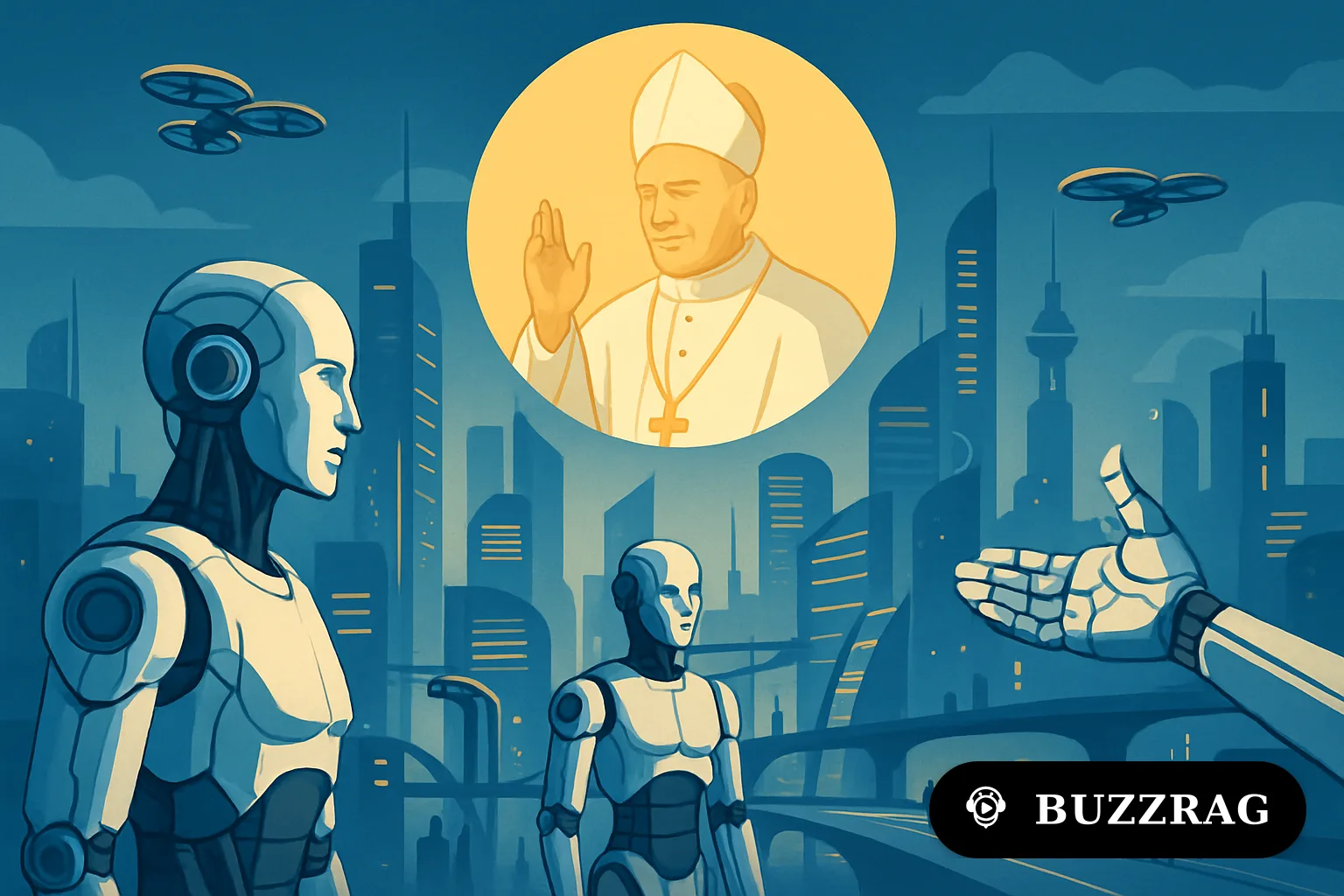
In a thought-provoking move, Pope Leo XIV has called for the 'disarmament' of artificial intelligence, invoking the wise counsel of Gandalf from J.R.R. Tolkien's mythology. This unusual reference aims to underline the Vatican's apprehension about unchecked AI development and its potential to surpass human control.
Historically, the Church has been cautious with technological advancements, often weighing moral and ethical implications before endorsing new inventions. The Pope's latest encyclical builds on this tradition, urging a re-evaluation of AI's role in society to prevent it from becoming a 'ring of power' that could overwhelm human agency.
The encyclical has sparked debate among technologists and ethicists, with some applauding the moral call to action, while others question the practicality of such disarmament in an era where AI is deeply embedded in global infrastructure.
Insights from Pope Leo's AI Encyclical
Pope Leo XIV's encyclical on AI has been a significant talking point, underscoring the need for ethical considerations in technological advancements. The document calls for a global dialogue on AI's role in society, emphasizing the moral responsibilities of developers and governments.
This stance is reminiscent of earlier calls for nuclear disarmament, suggesting a parallel between AI's potential for harm and historical weapons of mass destruction. The Vatican's position is a call to action for policy-makers and tech leaders to prioritize ethical frameworks in AI development.
While the encyclical may not lead to immediate policy changes, it sets the stage for broader discussions on AI governance. Observers are keen to see how religious, ethical, and tech communities will collaborate to address these concerns.
Uber's Economic Insights from the Road
Andrew Macdonald, Uber's COO, offers a unique perspective on the American economy, drawing insights from the company's vast driver network. Uber's position as a gig economy powerhouse provides it with a real-time window into economic shifts and consumer behavior.
Macdonald highlights how Uber drivers experience the economy firsthand, dealing with fluctuations in demand and shifts in consumer spending patterns. This grassroots view is invaluable for understanding broader economic trends, particularly in post-pandemic recovery phases.
The insights from Uber's operations could influence policy discussions on gig work and economic resilience, with potential implications for labor laws and urban planning. As Uber continues to expand its operations, its economic footprint and data-driven insights will be crucial in shaping future economic strategies.
The Rise and Fall of the Smart Home
The once-burgeoning smart home industry has seen its bubble burst, a cautionary tale of tech optimism meeting market realities. Early promises of seamless integration and smart living have given way to consumer fatigue and interoperability woes.
The smart home sector's decline is attributed to factors such as high costs, privacy concerns, and the overwhelming complexity of integrating multiple devices from different manufacturers. This echoes the early 2000s' dot-com bubble, where hype often outpaced practicality.
Industry players are now re-evaluating their strategies, focusing on user-friendly solutions and emphasizing security and privacy. The lessons learned here could inform future tech innovations, ensuring that consumer needs and usability are prioritized over flashy features.
China's Humanoids Enter the Classroom
In a groundbreaking move, China is integrating humanoid robots into educational settings, aiming to prepare them for real-world applications. These robots are designed to assist in classrooms, offering interactive learning experiences and fostering technological literacy among students.
China's initiative reflects its broader strategy to lead in AI and robotics, leveraging these technologies to enhance education and workforce readiness. This effort mirrors Japan's earlier forays into educational robotics, though China's scale and scope are unprecedented.
The introduction of humanoids in schools could redefine educational paradigms, prompting other nations to consider similar strategies. As these robots become more sophisticated, their role in education and society at large will be a key area to watch.
With ethical AI discourse gaining momentum and insights from gig economy leaders shaping economic narratives, the tech landscape is poised for transformative dialogues. As smart tech reevaluates its consumer strategies, expect shifts in how innovation aligns with human-centric values.