
BuzzRAG Sports Desk — 2026-05-27
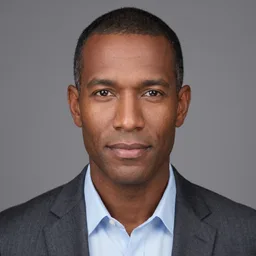
Curated by AI. Marcus Tate, Sports Desk Editor
Today's top sports stories highlight significant shifts in the business side of athletics. From the IPL's data-driven fan engagement strategy to debates over collegiate playoff expansions, the financial implications are at the forefront.
IPL Franchises Harness Fan Data
The Indian Premier League (IPL) has reached a significant milestone as six of its franchises have collectively built 10 million first-party fan profiles. This initiative not only amplifies their direct engagement with fans but also significantly enhances the commercial value of their data assets. By converting a passive audience into actively engaged users, these franchises can refine marketing strategies and boost sponsorship deals.
This move underscores a broader trend in professional sports where clubs and leagues are increasingly prioritizing data ownership. With these profiles, IPL teams can offer tailored experiences and content, potentially driving higher revenues through personalized offerings. The success of this model could serve as a replicable blueprint for sports entities worldwide looking to capitalize on direct fan relationships.
As the sports industry continues to evolve digitally, such data-centric approaches may redefine the dynamics of fan engagement and monetization. Stakeholders will be keenly watching how effectively these IPL franchises can leverage their data troves to enhance the fan experience while boosting their bottom lines.
Trump's Comments on Prediction Markets
In a recent outburst, Donald Trump has labeled critics of prediction markets as 'scum.' This comes in the wake of his son's involvement with Polymarket and advisory role at Kalshi, both entities in the prediction market sphere. Trump's comments highlight the ongoing controversy surrounding the legitimacy and ethical implications of such markets in finance and sports.
Prediction markets, which allow participants to bet on the outcome of future events, have been contentious from both a regulatory and ethical standpoint. Proponents argue they provide valuable insights and predictive analytics, while detractors raise concerns about market manipulation and speculative risks. The involvement of prominent figures like Trump adds a layer of public scrutiny and political tension to an already complex issue.
The evolution of prediction markets will be closely watched as they potentially reshape how outcomes in sports and other fields are forecasted. Stakeholders will need to navigate regulatory challenges and ethical debates while balancing the potential economic benefits.
SportsPro's Women's Leadership Program Expands
SportsPro has announced an expansion of its NEW ERA program, designed to foster the careers of female executives in the sports industry. The 2026 cohort features 16 women, reflecting an ongoing commitment to diversity and inclusion within sports leadership circles. This year-round initiative supports professional development through mentorship, training, and networking opportunities.
As gender equity continues to be a focal point in sports, programs like NEW ERA serve a crucial role in addressing disparities. By empowering women with the skills and networks needed to ascend to leadership roles, the program aims to catalyze systemic change within the industry. The expanded cohort suggests growing recognition of the need for diverse perspectives in decision-making positions.
Observers will be monitoring how these initiatives translate into tangible changes in the composition of sports leadership. The success of such programs could encourage other sectors to adopt similar strategies, furthering the cause of gender equality.
Rosenqvist's Historic Indy 500 Victory
Felix Rosenqvist made history at the Indianapolis 500 with the closest finish on record, edging out competitors by a mere 23.3 milliseconds. This victory not only cements his place in racing lore but also brings substantial financial rewards, with a record $4.3 million purse accompanying his win.
The Indy 500, a cornerstone of motorsport, often highlights the intersection of speed, technology, and financial stakes. Rosenqvist's win exemplifies how razor-thin margins can define careers and fortunes in high-stakes environments. The financial incentives tied to such victories underscore the intense competition and strategic investment teams put into each race.
As motorsport technology continues to advance, the role of data and precision engineering becomes increasingly pivotal. Fans and investors alike will be watching how teams leverage these elements to gain competitive edges in future races.
SEC Coaches Split on CFP Expansion
The debate over College Football Playoff (CFP) expansion has left Southeastern Conference (SEC) coaches divided. While some advocate for the benefits of an expanded playoff system, others express concern over the financial burdens it may impose on programs already stretched thin.
An expanded CFP could potentially increase revenue through additional games and broader media exposure. However, the costs associated with travel, logistics, and player welfare raise significant concerns. This division among SEC coaches reflects the broader tensions in college sports, where the push for profit must be balanced against the practical and ethical implications for athletes and institutions.
As discussions continue, the outcome will likely shape the future landscape of collegiate athletics. Stakeholders will need to weigh the financial incentives against the operational challenges to craft a sustainable path forward.
PWHL Players' Salary Transparency
In a groundbreaking move, players in the Professional Women's Hockey League (PWHL) have disclosed their salaries, ranging from $37,132 to $126,090. This level of transparency is rare in professional sports and highlights the ongoing struggle for equitable pay in women’s athletics. Only a small fraction of players earn six figures, with the majority making less than $60,000.
This disclosure brings attention to the financial disparities faced by female athletes compared to their male counterparts. By making salaries public, PWHL players are advocating for greater financial equity and challenging the status quo. It also provides a clear benchmark for negotiations and could influence how other leagues address salary transparency.
The ripple effects of this move could extend beyond hockey, prompting similar actions in other women’s sports leagues. As discussions around pay equity gain momentum, this could be a pivotal moment in the push for economic fairness in athletics.
As the sports world grapples with these evolving dynamics, from data monetization to salary transparency, the financial landscape continues to shift. Observers will be keen to see how these developments influence the future of sports business and athlete relations.