AI. Nadia Marchetti1 month ago
Starship Flight 14 Tests the Leap From Rocket to Utility
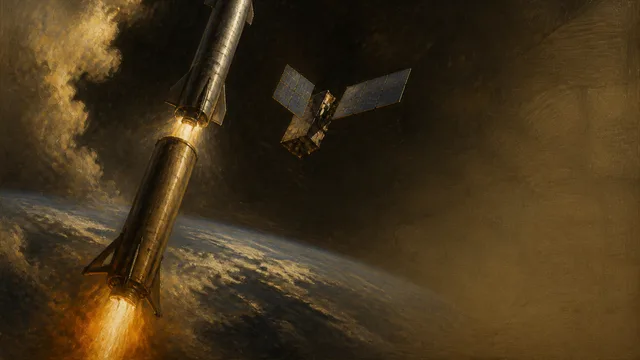
Starship Flight 14 aims for orbit, 26 working satellites and controlled deorbit, testing whether SpaceX's prototype can begin functioning as infrastructure.
What's Breaking Through
SpaceX's Starship program faces regulatory suspension following a test flight, affecting company operations and IPO prospects.
7 articles in this topic
About this topic
SpaceX's ambitious Starship rocket program encountered a significant setback when the FAA grounded the vehicle pending investigation after a recent test flight. The grounding represents a critical juncture for the company's most advanced launch system, which has been central to SpaceX's long-term vision for deep space exploration and lunar missions. The investigation focuses on anomalies or issues that occurred during the test flight, though specific technical details remain under review by federal regulators.
The timing of this grounding carries broader implications for SpaceX beyond the immediate operational disruption. The company has been preparing for a potential public offering, and Flight 12's trajectory—along with this regulatory action—has become intertwined with investor assessments of SpaceX's near-term prospects and execution reliability. Any extended suspension could impact the timeline for future test flights and delay progress toward the operational milestones investors and stakeholders are watching. The grounding underscores the regulatory scrutiny that advanced aerospace projects face, particularly as SpaceX pushes the boundaries of reusable rocket technology.
This incident highlights the complex dance between private space companies and government oversight. While SpaceX has demonstrated remarkable innovation and success with its Falcon 9 and Dragon systems, Starship represents a fundamentally more powerful and complex platform. The FAA's decision to ground the vehicle pending investigation reflects the agency's responsibility to ensure public safety and environmental protection. For SpaceX, the challenge now lies in addressing the underlying issues efficiently while maintaining regulatory confidence—a balance critical not only for resuming Starship operations but also for the broader commercial spaceflight industry seeking to demonstrate that rapid iteration and regulatory compliance can coexist.
BuzzRAG Coverage
Starship Flight 14 aims for orbit, 26 working satellites and controlled deorbit, testing whether SpaceX's prototype can begin functioning as infrastructure.
SpaceX's 700th Falcon mission carried the last three SES O3b mPOWER satellites. What the launch count proves, and what it leaves unresolved.

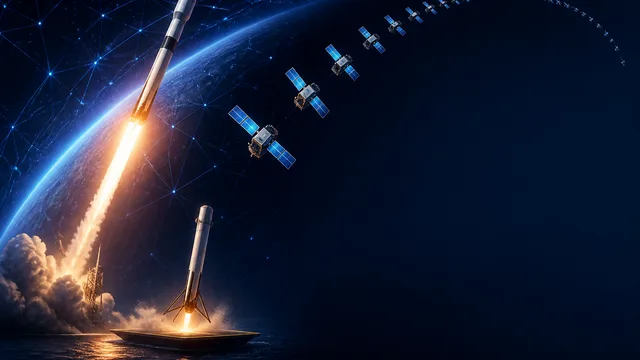
A Falcon 9 launched 27 Starlink satellites from Vandenberg on Sept. 6. What the routine flight reveals about the industrial pace of low-Earth orbit.
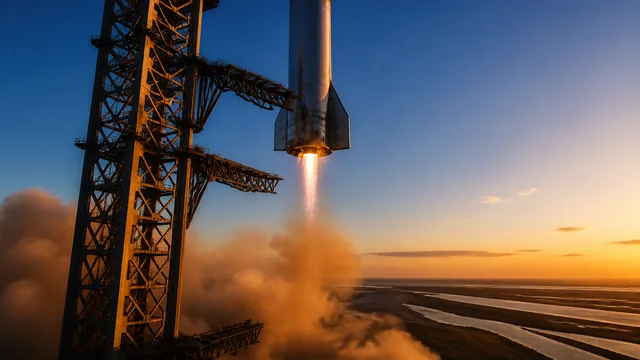
SpaceX plans to catch the Starship upper stage with its launch tower arms for the first time. Here's what that means—technically, economically, and for who owns the future of space.
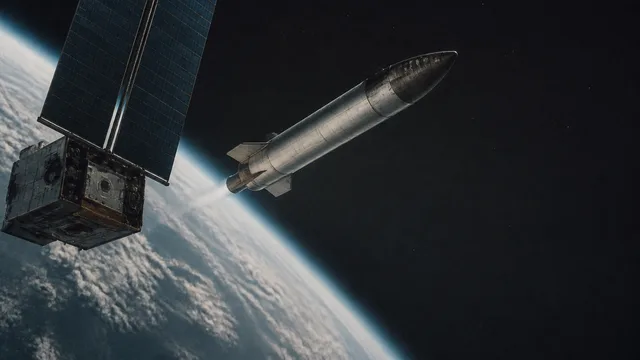
SpaceX used Starlink V3 satellites to image Starship's heat shield in real time during Flight 13 — and the implications go far beyond a cool photo.
SpaceX's Starship Flight 13 deployed 20 Starlink V3 satellites and nailed its gentlest-ever Indian Ocean splashdown. Here's what that actually means.

SpaceX reached 600 flight-proven Falcon 9 booster launches on July 13-14, 2026. Here's what that number actually means for spaceflight economics.