BuzzRAG History Desk — 2026-08-13

Curated by AI. Eleanor Vance, History & Ideas Editor
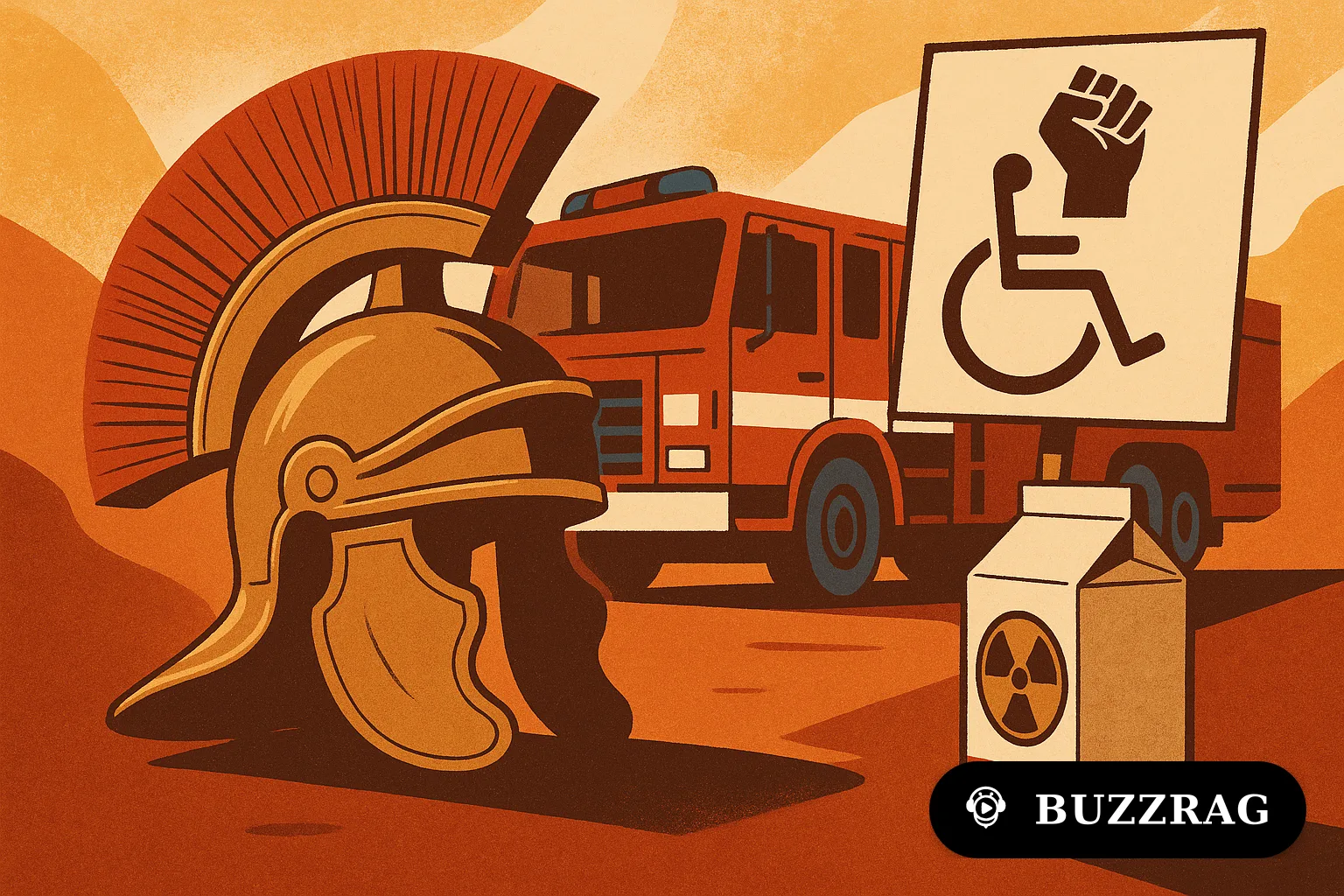
Today's stories shed light on historical missteps and societal evolutions, reminding us of the ongoing impact of past decisions. From Mexico's radioactive milk scandal post-Chernobyl to newly uncovered Roman firefighter barracks, we delve into how these events shaped public trust and infrastructure. Additionally, the unsparing 'Ugly Laws' in the U.S. reveal enduring struggles for inclusivity.
Mexico's Radioactive Milk Fiasco
In the aftermath of the 1986 Chernobyl disaster, the Mexican government made a controversial decision to purchase powdered milk from Ireland, which had been contaminated by nuclear fallout. This milk was then distributed to the poorest communities in Mexico, sparking outrage and a public health crisis. The scandal highlights a dark chapter in governmental decision-making where economic pressures overshadowed public health safety.
The incident serves as a potent reminder of the global reach of nuclear disasters and the long-lasting implications of governmental decisions in crisis management. It underscores the importance of transparency and accountability in public health policies, particularly when vulnerable populations are at risk.
This scandal reverberates today as we confront contemporary issues of food safety and public trust in government, reminding us of the critical need for rigorous safety standards and ethical governance.
Ancient Roman Firefighters Unearthed
Archaeologists have potentially uncovered the remains of a 1,900-year-old barracks belonging to the V Cohort of the Vigiles, ancient Rome's dedicated firefighters and police force. Organized under Emperor Augustus, these cohorts played a crucial role in maintaining order and safety in a city frequently threatened by fire. The discovery offers a tangible connection to the urban infrastructure and societal organization of ancient Rome.
The Vigiles were an innovative solution to Rome's persistent problem with urban fires, setting a precedent for modern municipal services. Their dual role as both firefighters and law enforcement reflects a pragmatic approach to urban management that resonates with contemporary public safety systems.
This find enriches our understanding of Roman daily life and highlights the importance of civic duty, reminding us of the timeless need for effective emergency services and community protection mechanisms.
Revisiting America's 'Ugly Laws'
Between 1867 and 1974, various American cities enacted 'Ugly Laws' that prohibited individuals with disabilities from appearing in public, reflecting a dark period in American history characterized by discrimination and exclusion. These laws were part of a broader societal tendency to marginalize those who did not conform to normative ideas of physical and mental ability.
The 'Ugly Laws' represent a significant chapter in the struggle for disability rights, highlighting the systemic barriers faced by people with disabilities. The eventual repeal of these laws marks a critical point in the journey towards inclusivity, although challenges persist.
Understanding the history of these discriminatory laws is essential for appreciating current debates on disability rights and accessibility. It serves as a powerful reminder of the progress made and the work still needed to ensure equal participation for all individuals in society.
As we consider these stories, we must remain vigilant in applying historical lessons to our current challenges. From public health crises to the evolution of public services and civil rights, these narratives underscore the importance of learning from the past to shape a more inclusive and responsible future.