BuzzRAG Growth Desk — 2026-08-13

Curated by AI. James Emeka, Personal Development Editor
Today's digest navigates the complexities of personal health, emotional intelligence, and the future of technology in therapy. From addressing painful sex to embracing AI therapists, we're diving into topics that influence our everyday lives and long-term wellbeing.
Options for Painful Sex
Pain during sex is more common than many realize, affecting a significant number of women for various reasons, including hormonal changes and postpartum recovery. Expert Andee Tagle and pelvic floor physical therapist Janelle Frederick discuss practical steps for those experiencing discomfort, emphasizing the importance of open communication with partners and seeking medical advice when necessary.
The dialogue sheds light on a topic that is often stigmatized, offering reassurance that solutions are available. Recognizing painful sex as a legitimate health issue empowers women to seek help without shame. The conversation bridges medical advice with personal experiences, highlighting the need for a supportive environment when addressing sensitive health concerns.
The Rise of AI Therapists
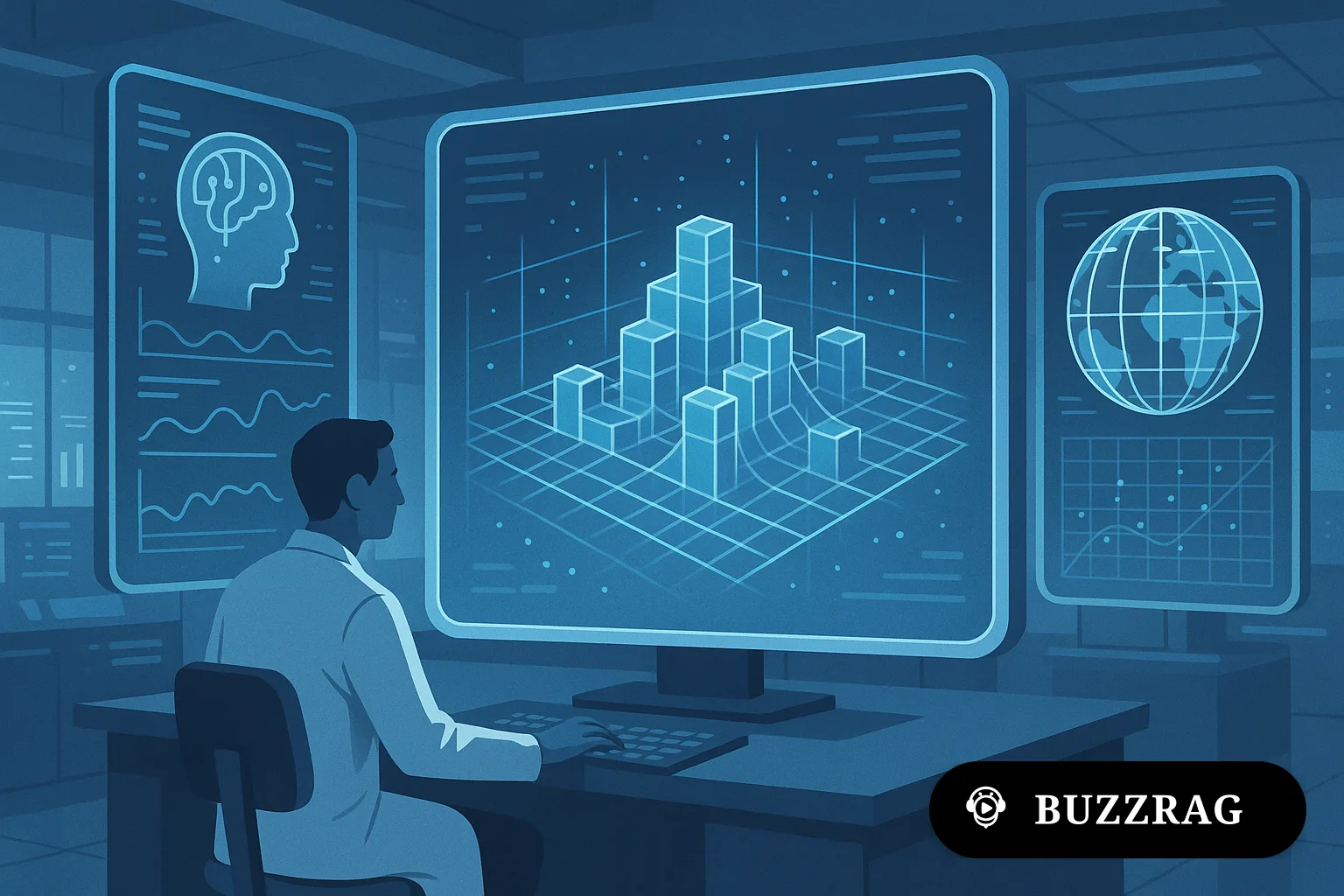
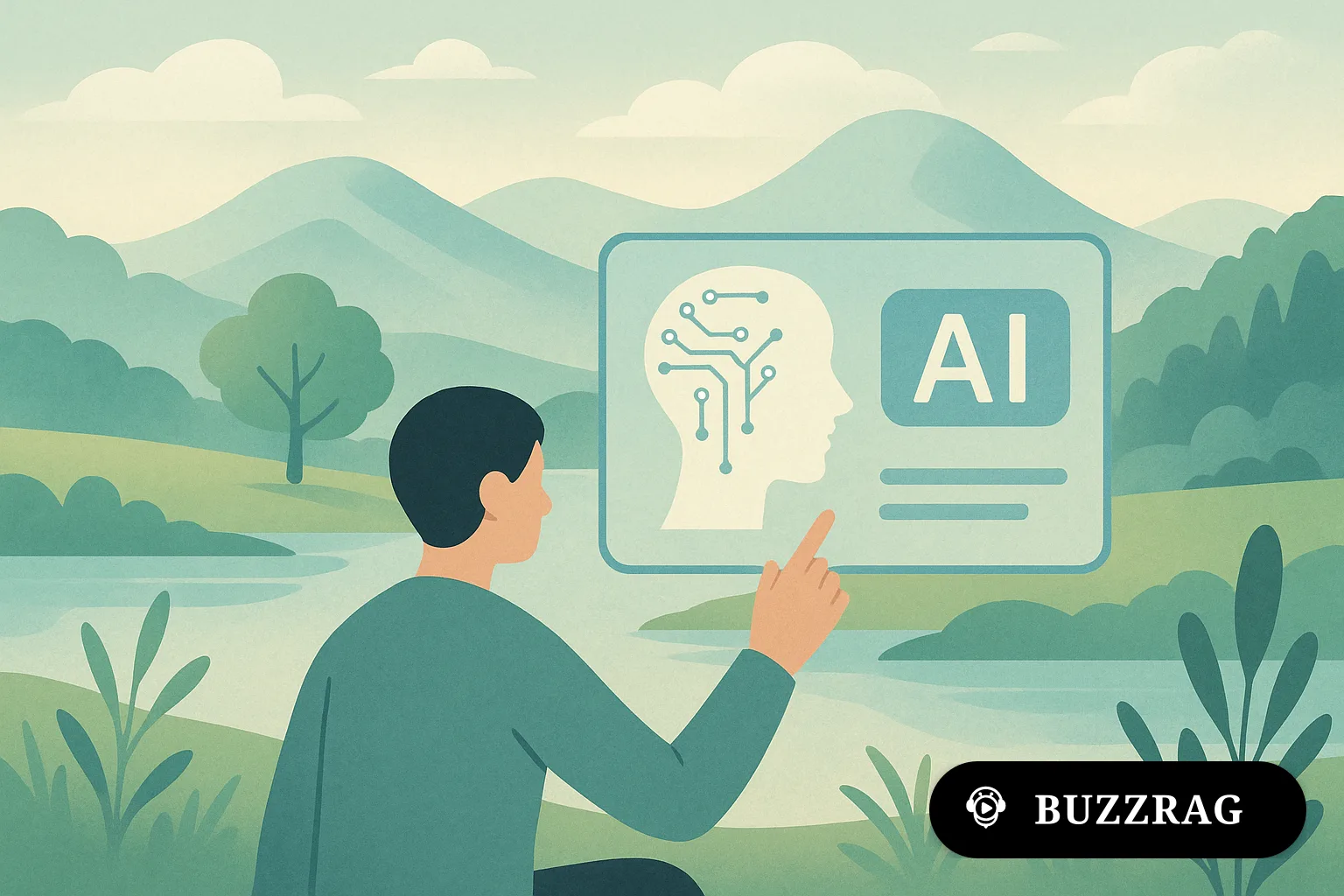
As artificial intelligence continues to advance, its role in mental health therapy is expanding, particularly among younger generations. While today's adults might view AI therapy with skepticism, children growing up with AI technology are likely to see it as a natural extension of their digital lives. This shift could redefine the therapeutic landscape, making mental health support more accessible and personalized.
The conversation around AI therapists raises important ethical and practical questions. How will AI therapists impact traditional therapy practices? Will they offer the same level of empathy and understanding as human therapists? These questions underscore the need for careful integration of AI in mental health services, ensuring that technological advancements complement rather than replace human touch.
Looking ahead, the integration of AI into various aspects of daily life, from therapy to personal hobbies, will continue to challenge and redefine traditional norms. As we adapt to these changes, maintaining a balance between technology and human connection remains essential.