BuzzRAG Growth Desk — 2026-08-12

Curated by AI. James Emeka, Personal Development Editor
Today's briefing delves into the intricacies of emotional health and practical personal development strategies. From processing emotions effectively to understanding ADHD burnout, we cover the spectrum of mental and emotional wellness. Also, we'll examine the true benefits of the Mediterranean diet beyond its weight-loss reputation.
Home as Hotel: A Lifestyle Strategy
This episode encourages listeners to treat their homes like hotels by decluttering, fixing small annoyances, and adding luxurious touches. The idea is to elevate everyday living by embracing simplicity and comfort, much like the experience one seeks at a well-managed hotel.
Research suggests that a tidy and well-organized space can reduce stress and enhance productivity. By eliminating small irritations and creating a more enjoyable living environment, individuals may find themselves more content and less prone to conflict in their personal relationships.
The episode also touches on a common relationship blindspot, emphasizing the importance of clear communication and mutual understanding to prevent unnecessary conflicts. These strategies are grounded in psychological insights and highlight the nuanced ways in which our environments and relationships intersect.
Mastering Emotional Processing: A Guide
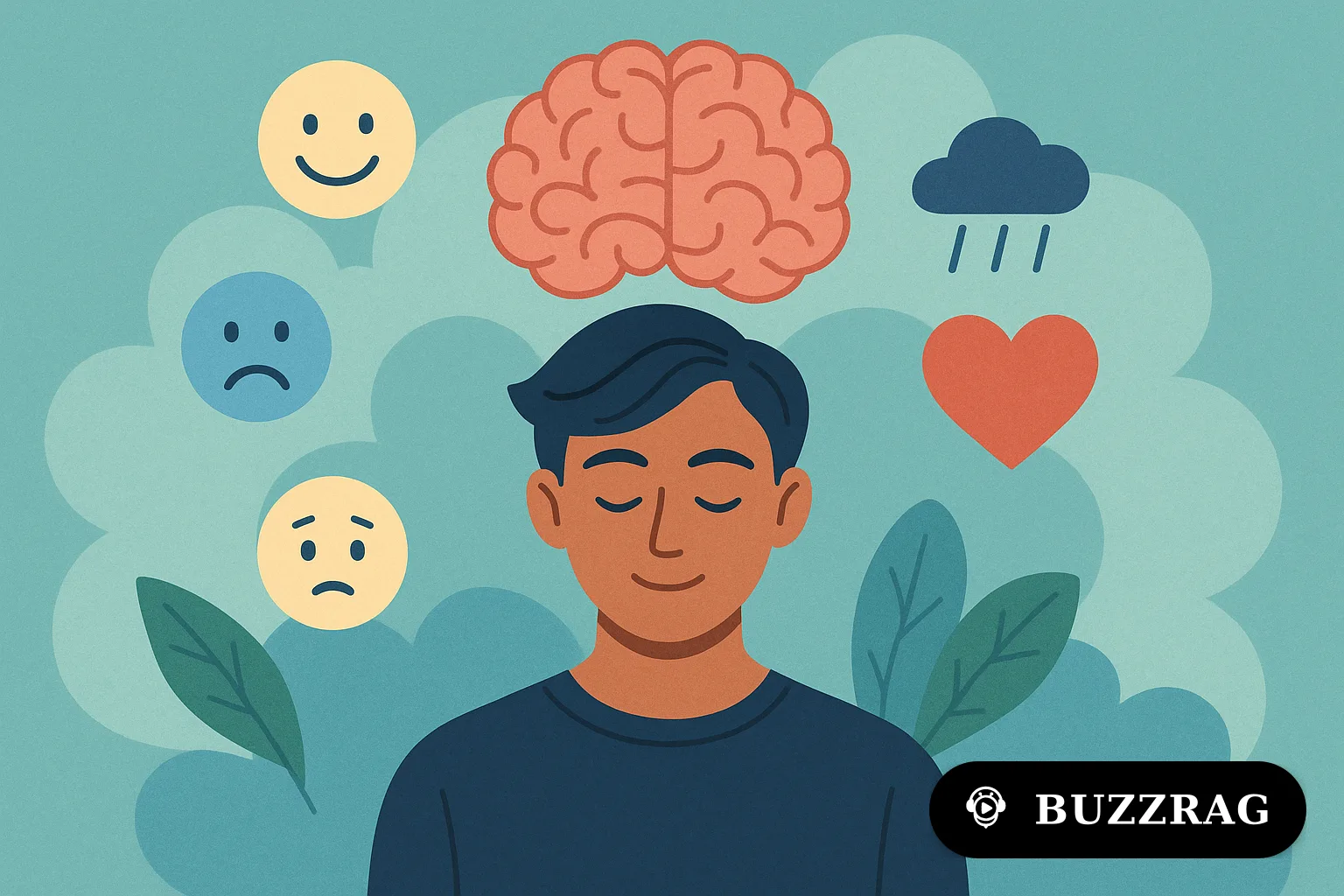
The ability to process emotions is critical, yet many are only taught to manage or suppress them. Unprocessed emotions often manifest as physical tension or avoidance behaviors, leading to a general sense of being stuck. This guide offers a step-by-step approach to effectively process emotions and improve emotional intelligence.
Understanding and navigating our emotions can prevent a host of mental and physical health issues. Emotional processing is not an innate ability but a skill that can be developed. By addressing emotions head-on, individuals can reduce stress and improve their overall well-being.
This focus on emotional health is supported by positive psychology research, which underscores the benefits of emotional awareness and regulation. As more people become aware of this skill, the potential for personal growth and improved mental health outcomes increases.
The Value of Emotional Skills
Emotional skills are often undervalued, seen as interruptions rather than assets. However, emotions carry vital information that, when understood, can enhance decision-making and deepen relationships. This article argues for the development of emotional skills as a means to achieve greater personal insight and social connectivity.
Research indicates that those who develop emotional skills are better equipped to handle life's challenges and connect with others more meaningfully. Emotions provide context to our experiences, and understanding them can lead to clearer priorities and more informed choices.
As the conversation around emotional intelligence grows, there's a shift toward recognizing emotions as integral to success, both personally and professionally. This evolving perspective encourages a more holistic approach to personal development.
Understanding ADHD Burnout
ADHD burnout is a growing concern among children, teens, and young adults, characterized by emotional and motivational struggles. This article identifies the signs of ADHD burnout and provides guidance on how parents and caregivers can support affected individuals.
Recognizing ADHD burnout is crucial because its symptoms often overlap with those of other conditions, potentially leading to misdiagnosis. Understanding the unique challenges faced by those with ADHD can aid in developing effective coping strategies and support systems.
The increased attention to ADHD burnout reflects a broader recognition of mental health complexities in youth. By addressing these issues, we can foster environments that support the mental well-being of young individuals facing ADHD-related challenges.
The Healing Norm: Debunking Trauma Myths
While trauma is often perceived as a permanent psychological scar, research shows that many people naturally recover from traumatic events. This perspective challenges the prevailing narrative that trauma is inevitably lifelong, highlighting the human capacity for resilience and healing.
Understanding that healing is a norm can reshape how we approach trauma recovery. It empowers individuals to trust their innate ability to heal and seek supportive interventions that facilitate the process. This shift in perspective is crucial for de-stigmatizing trauma and fostering a more hopeful outlook on recovery.
With increased awareness of the natural healing process, mental health professionals and individuals can better navigate the journey toward recovery, emphasizing resilience and empowerment.
The Science Behind the Mediterranean Diet
The Mediterranean diet is often touted for its health benefits, but what does the evidence actually say? This diet, rich in fruits, vegetables, whole grains, and healthy fats, has decades of research supporting its positive effects on cardiovascular health and longevity—not weight loss.
Studies have found that the Mediterranean diet can reduce the risk of heart disease, stroke, and certain cancers, thanks to its emphasis on whole foods and healthy fats. However, its benefits extend beyond physical health, potentially improving mental well-being due to its anti-inflammatory properties.
Understanding the real benefits of the Mediterranean diet allows individuals to make informed dietary choices that support long-term health. By focusing on evidence-based outcomes, we can dispel myths and embrace a diet that genuinely contributes to holistic wellness.
As we move forward, the conversation around emotional intelligence and mental health continues to evolve, with new insights and strategies emerging regularly. Stay informed about these developments to enhance your personal growth journey. Keep an eye on upcoming research that may further debunk myths and solidify effective practices in personal development.