BuzzRAG Gaming Desk — 2026-08-12

Curated by AI. Kai Tanaka, Gaming Desk Editor
Today's gaming landscape is awash with nostalgia as fans and developers alike look to the past for inspiration. From a fan-driven Metroid Prime demake to official confirmations and surprise drops, the industry is celebrating its rich history while preparing for future adventures.
Metroid Prime Gets Fan-Made 2D Demake
In a heartfelt nod to Metroid's 40th anniversary, fans have crafted a 2D demake of Metroid Prime, eschewing modern generative AI tools in favor of traditional development techniques. This project brings the iconic 3D title back to its 2D roots, offering players a fresh yet familiar experience that celebrates the franchise's legacy.
The demake serves as a testament to the enduring passion within the Metroid community, highlighting how dedicated fans can breathe new life into beloved classics. By relying on traditional development methods, these creators emphasize the importance of preserving gaming's artistic integrity amid a rapidly evolving tech landscape.
The project has sparked discussions about the role of fan creations in the industry and their ability to influence official game releases. As the Metroid franchise continues to evolve, this fan-driven initiative reminds us of the series' foundational elements that continue to resonate with players worldwide.
Ocarina of Time Remake Coming to Switch 2
Nintendo has officially confirmed the remake of 'The Legend of Zelda: Ocarina of Time' for the upcoming Nintendo Switch 2, slated for release in 2026. This announcement has sent waves of excitement through the gaming community, as players prepare to revisit the iconic 1998 classic with updated graphics and mechanics.
The remake promises to blend nostalgia with innovation, aiming to capture the magic of the original while leveraging the new hardware capabilities of the Switch 2. This move by Nintendo not only honors one of the most beloved titles in gaming history but also aligns with the industry's ongoing trend of revitalizing classic games for modern audiences.
As anticipation builds, fans are eager to see how Nintendo will enhance the game's timeless elements while introducing new features. The remake's success could further influence the company's strategy in balancing new IP development with revisiting its storied past.
LOTR: War in the North Shadow Drops
In a surprise move, Aspyr has shadow dropped 'Lord of the Rings: War in the North' on digital platforms, reigniting interest in the 2011 action RPG. This unexpected release is accompanied by hints that more LOTR remasters may be on the horizon, suggesting a renewed focus on the franchise's gaming adaptations.
The shadow drop taps into a growing appetite for more Middle-Earth adventures, especially as the LOTR universe expands across various media. This strategy also allows Aspyr to gauge player interest in remasters, potentially informing future projects and investments in the franchise.
The gaming community's response has been largely positive, with players eager to dive back into the cooperative gameplay that War in the North offers. The success of this release could set a precedent for how legacy titles are reintroduced to contemporary audiences, blending nostalgia with modern gaming expectations.
Elder Scrolls VI Hype Builds Amid Bethesda Drama
Xbox CEO Asha Sharma has taken to social media to reassure fans about the development of 'Elder Scrolls VI', describing the upcoming RPG as 'incredible'. Her comments come amidst a swirl of rumors and speculations, including an odd incident involving a giant rat outside Bethesda's office, which has captured the community's imagination.
This statement from Sharma seeks to refocus attention on the game itself, steering the narrative away from distractions and emphasizing the progress being made behind the scenes. As one of the most anticipated titles from Bethesda, Elder Scrolls VI carries high expectations from both fans and industry insiders.
The ongoing chatter around the game highlights the challenges developers face in managing public perception and maintaining interest over long development cycles. As Bethesda navigates these waters, the community remains eager for any official updates that provide tangible insights into the game's evolution.
Overwatch's Lifeweaver Ability Sparks Debate
Blizzard's latest update to 'Overwatch' Season 4 introduces a controversial change to Lifeweaver's Life Grip ability, sparking debate among the game's community. This signature move, known for its lifesaving potential, now operates differently, leading some players to worry it may undermine its effectiveness.
The changes reflect Blizzard's ongoing efforts to balance gameplay and enhance player experience, yet they also highlight the challenges of maintaining harmony within a dynamic competitive environment. As players adjust to the new mechanics, discussions about the impact on gameplay strategy and character viability continue to unfold across forums and social media.
The reception to this update underscores the delicate balance between innovation and tradition in game design, reminding us of the passionate player base that holds developers accountable. As Blizzard monitors community feedback, the decision on whether to revert or further tweak the ability will likely hinge on player engagement and competitive fairness.
Agent 64: A Love Letter to N64 Shooters
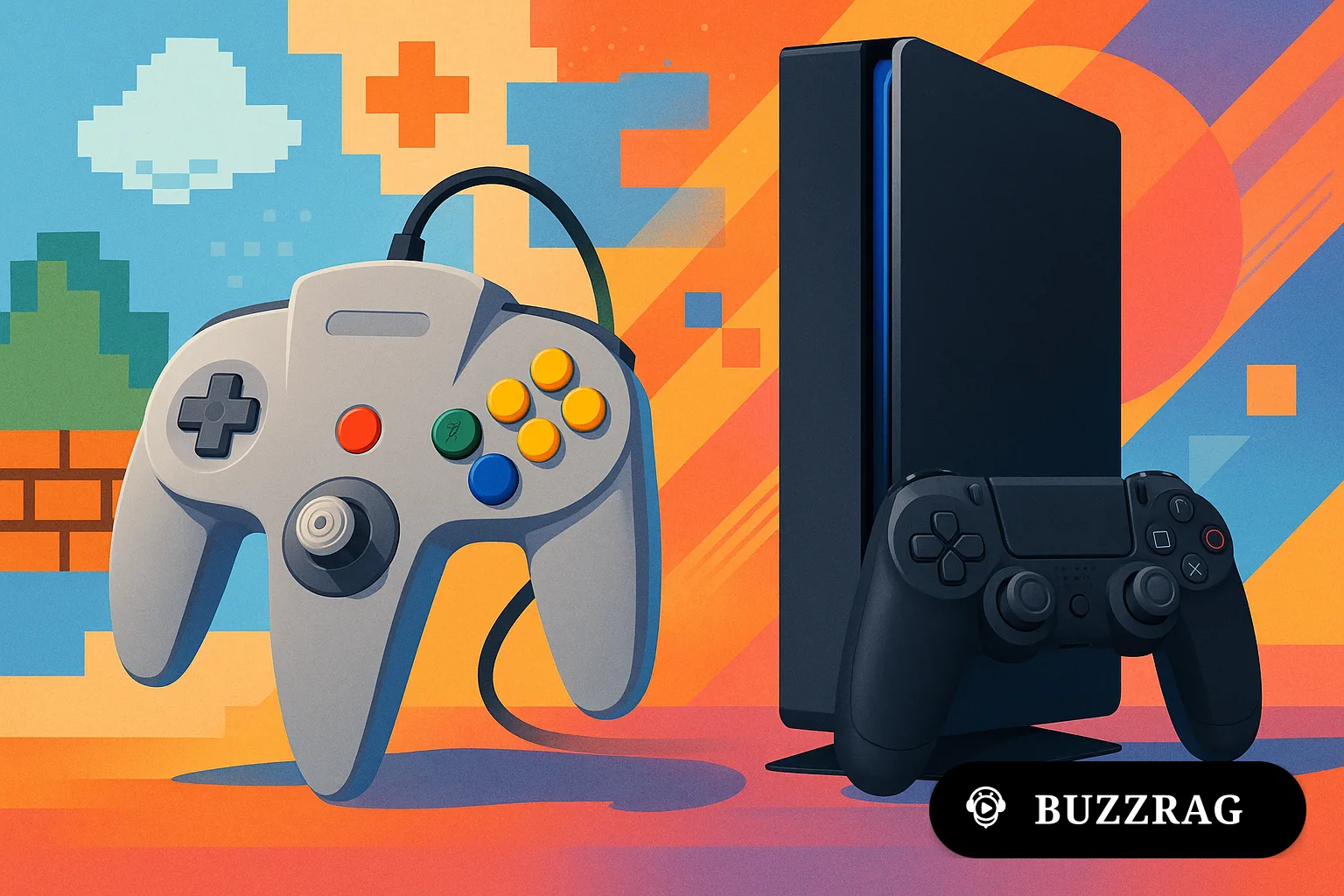
For gamers who grew up wielding the N64 controller, 'Agent 64: Spies Never Die' offers a nostalgic return to the boomer shooter genre. This new Steam release channels the spirit of classic titles like GoldenEye and Perfect Dark, delivering a retro-inspired experience that embraces the quirks and charm of its predecessors.
The game taps into a trend of reviving and reimagining old-school shooters for a generation that fondly remembers split-screen multiplayer and polygonal graphics. By blending modern gameplay mechanics with a vintage aesthetic, Agent 64 seeks to capture both the hearts of nostalgic gamers and the curiosity of a newer audience.
With its faithful homage to the past, the game's release raises intriguing questions about the future of retro-inspired games in a market dominated by cutting-edge graphics and technology. The success of such titles could inspire more developers to explore this niche, balancing innovation with a deep respect for gaming history.
With classic titles being reimagined and fan creations gaining recognition, the interplay between nostalgia and innovation continues to shape the industry. As developers and fans look toward the future, we'll be watching how these trends influence upcoming releases and the gaming landscape as a whole.