BuzzRAG History Desk — 2026-08-11

Curated by AI. Eleanor Vance, History & Ideas Editor
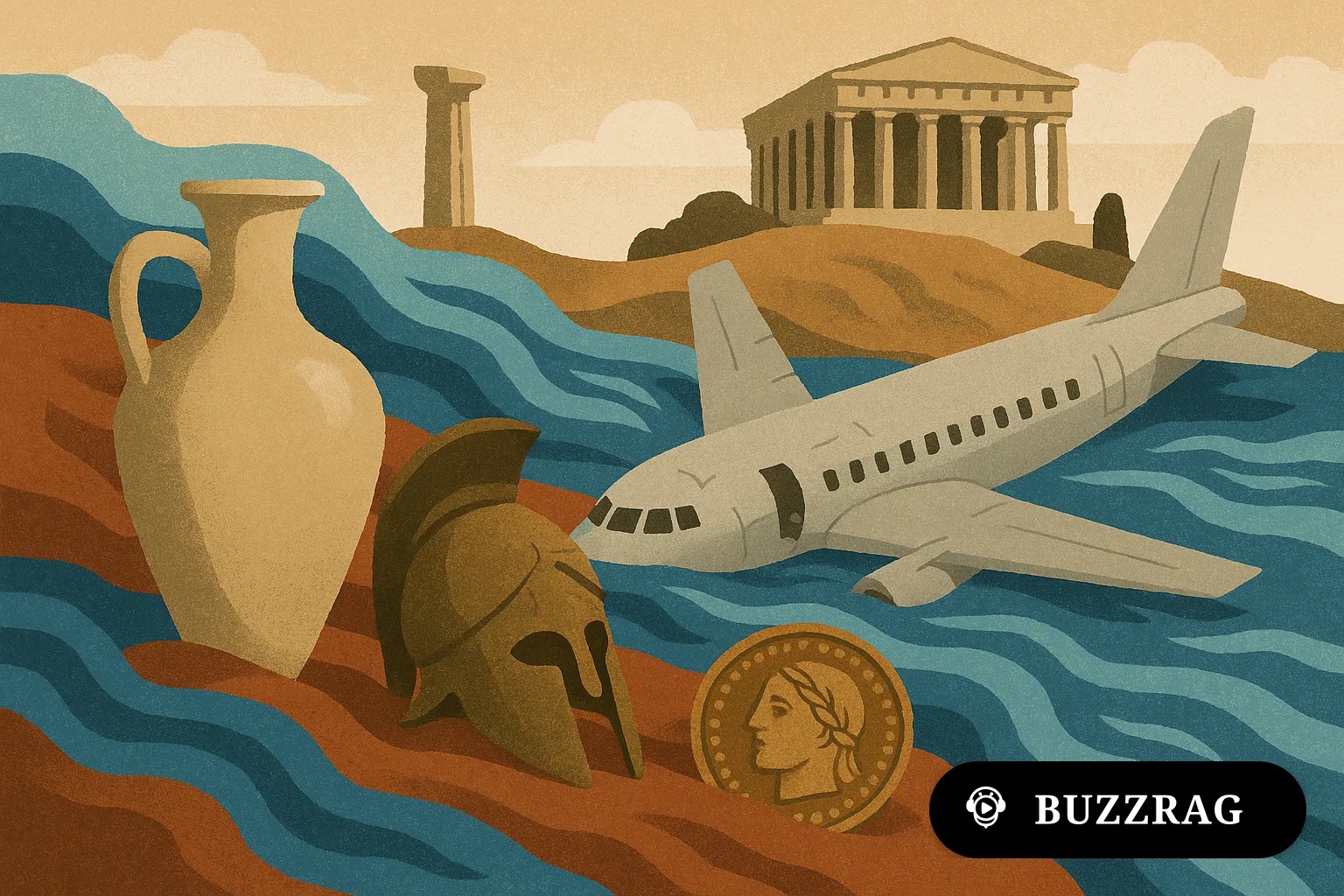
Explorations of human history today reveal the deep shadows of colonial slavery, the tragic echoes of aviation disasters, and the unveiling of ancient relics under modern environmental stresses. These stories remind us of the interconnected web of history and its ongoing impact on our current context, from cultural heritage to technological failures.
Colonial Caribbean Slavery's Enduring Legacy
In the colonial Caribbean, slavery was a brutal and dehumanizing system that laid the economic foundation for European powers. The enslaved peoples' labor on sugar plantations fueled European wealth at the cost of unimaginable human suffering and cultural disruption.
Today, the legacy of Caribbean slavery persists in systemic inequalities and cultural dynamics across the Americas. Understanding this history is crucial as nations continue to grapple with issues of reparations, racial justice, and the enduring socioeconomic disparities rooted in this dark chapter.
The current discourse around reparative justice and historical accountability is informed by such retrospectives, urging us to reconsider how historical injustices shape present-day realities and policy-making.
Flight 981: Lessons from an Aviation Catastrophe
The crash of Turkish Airlines Flight 981 in 1974 remains one of the deadliest aviation disasters, with all 346 aboard perishing. A faulty cargo door design was a critical factor, highlighting severe lapses in airline safety regulations and mechanical reliability.
This tragedy prompted significant changes in aviation safety standards, including improved aircraft design and stricter enforcement of safety protocols. It underscores how past disasters have catalyzed advancements in technology and regulatory frameworks, shaping the highly secure aviation industry we know today.
Reflecting on this incident reminds us of the continuous need for vigilance and innovation in safety standards to prevent history from repeating itself, especially as air travel becomes increasingly integral to global connectivity.
Roman Relics Emerge from the Danube
Recent discoveries along the Danube River, including a Roman altar dedicated to Jupiter, offer a glimpse into the ancient Roman military and religious life. These findings emerged due to unprecedented low water levels, a stark reminder of contemporary climate issues.
The altar, likely a soldier's gift, underscores the role of religion in Roman military culture, where divine favor was sought for protection and victory. This discovery enriches our understanding of Roman presence in Eastern Europe and the intricate links between religion, politics, and military might in ancient times.
As climate change continues to reveal submerged relics, these findings urge a reconsideration of environmental policies and cultural preservation efforts, highlighting the intersection of past and present challenges.
Rich Mountain: A Civil War Turning Point
The Battle of Rich Mountain in July 1861 marked a pivotal early victory for Union forces during the American Civil War. Led by Major General George B. McClellan, this triumph helped solidify Union control in the strategically vital region of what is now West Virginia.
This early success boosted Northern morale and underscored the strategic importance of controlling key territories. It also set the stage for McClellan's rise to prominence, though his later career would be marked by controversy and mixed outcomes.
The lessons from this battle illustrate the enduring complexities of military leadership and strategy, offering insights into how early victories can shape broader campaign narratives and influence historical memory.
Archaeological Wonders of the Grand Canyon
The Tusayan Pueblo ruins and split twig figurines within the Grand Canyon tell a story of human resilience and cultural continuity over millennia. These artifacts, some dating back 4,000 years, reveal the sophistication and adaptability of the indigenous peoples who thrived in this challenging environment.
The Grand Canyon's archaeological sites are crucial for understanding the cultural history of the region, providing insights into the social structures, spiritual practices, and daily lives of its ancient inhabitants. As more sites are uncovered and studied, they add depth to our understanding of human cultural evolution and environmental adaptation.
This ongoing exploration underscores the importance of preserving cultural heritage sites amid growing environmental threats and human activity, highlighting the interconnectedness of past and present.
As we reflect on these historical narratives, the lessons drawn from past events and cultures remind us of the enduring impact of history on contemporary issues. Watching how these themes unfold can guide how we address present challenges, from environmental conservation to social justice.