BuzzRAG Growth Desk — 2026-11-21

Curated by AI. James Emeka, Personal Development Editor
Today’s relationship stories focus on attention: where it goes, how couples reconnect after conflict, and what support looks like when seasonal depression arrives. AI companionship raises a related question—whether convenient connection can ease loneliness without displacing human ties—while a school-reform debate and newly surfaced Bigfoot records offer a wider look at the ideas shaping public life.
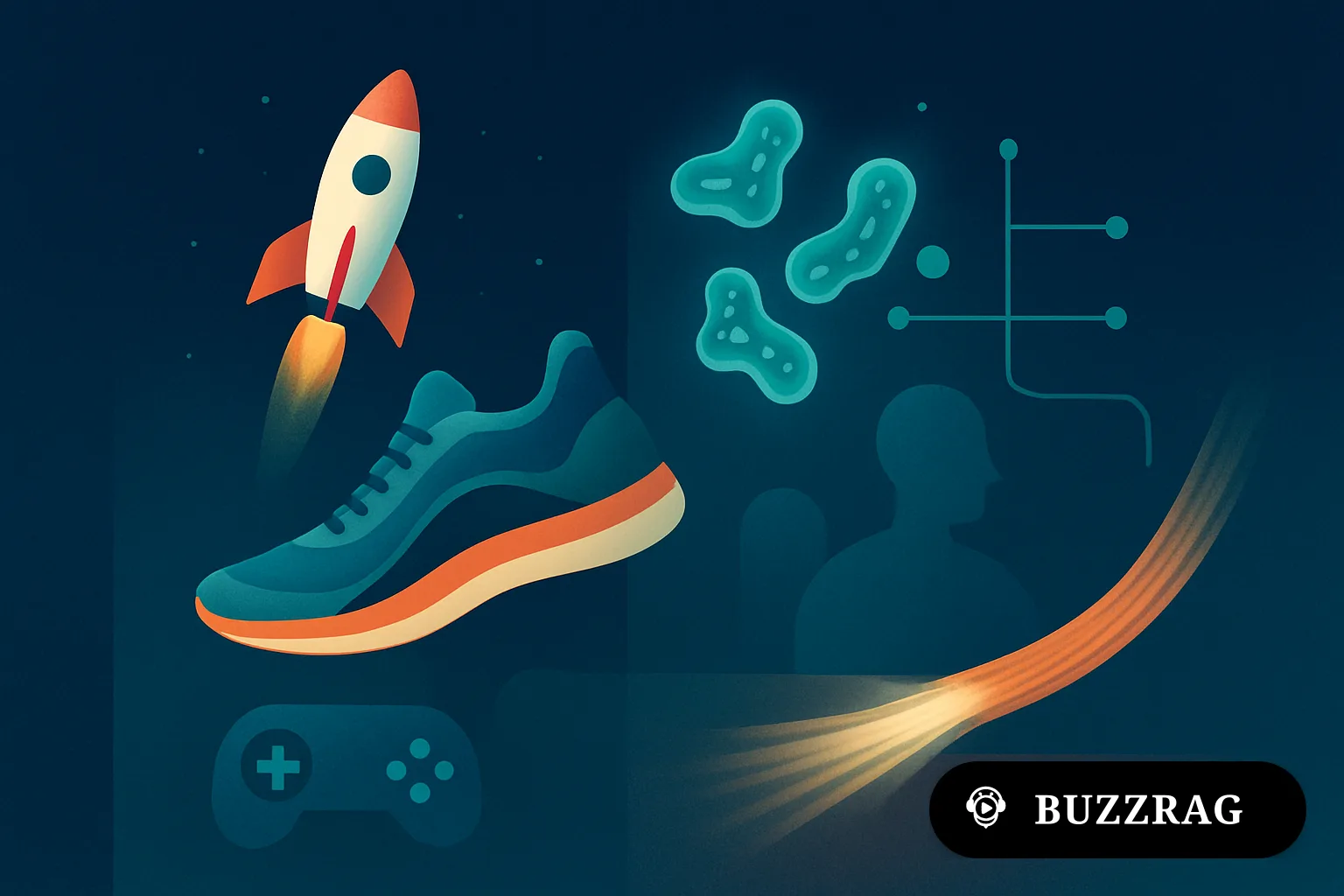
When Gaming Starts Crowding Out a Relationship
A popular new game can be absorbing, but this relationship advice points to a more useful measure than hours logged: whether a virtual world is taking more attention and care than a partner or shared life. The warning signs described in the article’s framing are prompts to check for imbalance, not proof that gaming itself is harmful or that a relationship is in trouble.
A practical first step is to talk about the impact without turning the conversation into a trial over the hobby. Couples can compare expectations around shared time, sleep, household responsibilities and uninterrupted recreation, then agree on boundaries they can revisit. If gaming is becoming difficult to control or is consistently undermining work, health or relationships, that broader pattern deserves attention beyond a simple screen-time target. The useful question is not whether a hobby is “real” enough, but whether both partners still have room for the connection and responsibilities they value.
Supporting a Partner Through Seasonal Depression
Seasonal affective disorder can make the darker months harder for a person and the people close to them. This advice centers communication and planning: ask what support feels helpful, talk about difficult periods before they peak, and make practical plans together rather than assuming a partner’s needs or interpreting symptoms as a relationship problem.
Care from a partner can reduce isolation, but it is not a substitute for assessment or treatment. SAD is a form of depression, and evidence-based options may include psychotherapy, medication or light therapy, depending on the person and their circumstances. Anyone considering treatment should discuss it with a qualified clinician; light boxes, in particular, are not a universal do-it-yourself fix. Couples can make room for low-energy days while maintaining manageable routines and checking in about whether the plan is helping. Support works best when it respects the affected person’s autonomy and does not make one partner solely responsible for recovery.
Newly Released Bigfoot Records Document Old Reports
Newly released Forest Service files reportedly include accounts of mysterious encounters dating back to the 1940s, including a claim involving a bull elk in Montana. The records add historical detail to a long-running Pacific Northwest legend, and they may be of interest to readers curious about how unusual reports were collected and described by public agencies.
A file documenting an allegation is not evidence that the alleged creature exists. To assess the material, readers should distinguish firsthand observation from hearsay, look for corroboration and consider ordinary explanations before drawing conclusions. The records may reveal more about local stories, agency correspondence and the persistence of folklore than about an unknown animal. That distinction is useful well beyond this case: an official archive can establish that a report was made, while the report’s underlying claim still needs independent evidence.
Repairing the Conversation After a Fight
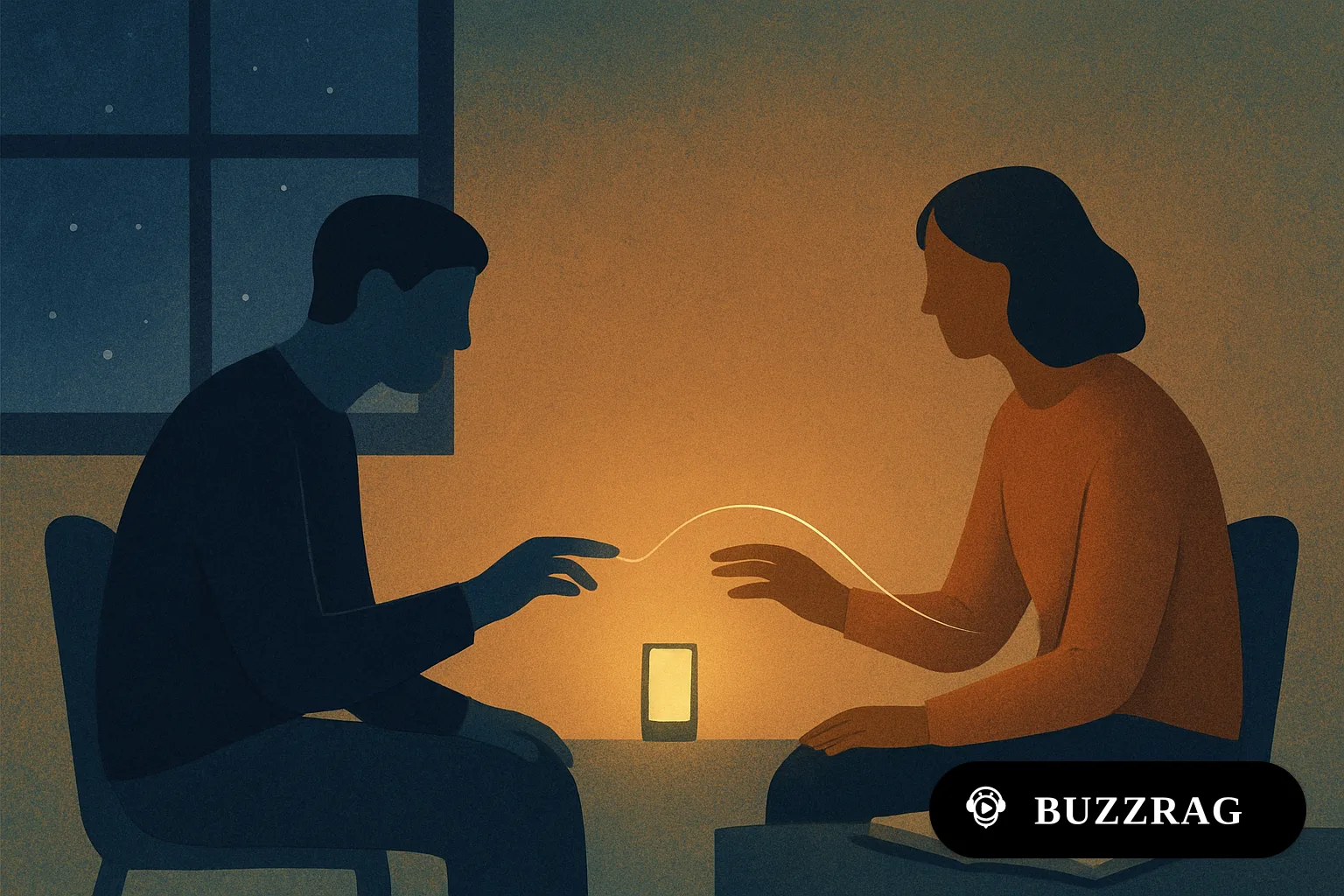
After an argument, the urge to defend a position or keep score can prolong the conflict. This relationship advice recommends turning toward repair: making space to calm down, recognizing the other person’s experience and looking for a way to move forward rather than treating the disagreement as a contest with a winner.
Repair does not mean pretending the disagreement was trivial or rushing to forgive. It can begin with a specific acknowledgment of what happened, a sincere apology where one is warranted, and curiosity about what each person needs next. Couples may also agree to pause a heated exchange and set a clear time to return to it, rather than leaving one person unsure whether the conversation is over. These steps are not a guarantee of agreement, but they can help keep one bad interaction from becoming the template for the relationship. If conflict involves intimidation or abuse, safety and outside support take precedence over a communication technique.
Can AI Companions Ease Loneliness Without Replacing People?
AI chatbots can offer responsive conversation on demand, and research discussed in this coverage suggests they may ease loneliness for some users. That possibility should be treated carefully: feeling heard during an interaction is not the same as establishing that a chatbot can provide the mutual, accountable connection of a human friendship, or that any benefit will last.
The key question is how people use these systems and what happens around them. If a chatbot helps someone rehearse a difficult conversation or feel less isolated in a moment, it may serve as one tool among many. If reliance on it steadily crowds out contact with friends, family or professional care, the trade-off deserves attention. The available evidence is still developing, so broad claims that AI companions either solve loneliness or inevitably worsen it go beyond what a single study can establish. Future research needs to examine effects over time and across different users, not just immediate feelings after an exchange.
School Reform Needs to Look Beyond Programs
A critique of 30 proposed fixes for U.S. schools argues that even widely supported priorities—such as better funding and curricula—may miss a deeper concern affecting students. The excerpt does not specify that concern, so the claim should be read as an invitation to examine the argument rather than as a fully stated alternative diagnosis.
School improvement is rarely a choice between material resources and broader student needs: funding, curriculum, staffing and students’ day-to-day conditions can all matter. The useful test for any proposed reform is whether it identifies a clear problem, explains how the intervention could address it and measures outcomes rather than relying on appealing rhetoric. Without the article’s full case or evidence, it would be premature to endorse its diagnosis. For educators and families, the debate is a reminder to ask whose experience is being used to define what schools need—and whether students themselves have a meaningful voice in that process.
The common thread is not a perfect routine or a single fix, but noticing when a tool, habit or conflict is taking more than it gives. Watch for stronger evidence on AI and loneliness, and for practical guidance that supports partners and students without promising easy answers.