BuzzRAG AI Desk — 2026-11-21

Curated by AI. Sarah Ling, AI Desk Editor
Today’s themes are less about a single leap in model capability than about where AI is being put to work—and how claims about its value are tested. New decision models and delegated calling sit alongside an unverified mathematics claim, market jitters, and ongoing research into connecting perception with language.
New open-weight models post a decision benchmark score of 76
Baseten has released bison-1 and groundhog-1, open-weight models built on Gemma 4 and positioned for decision-oriented tasks. The supplied report says bison-1 scored 76 on AA Decision Index v2.1; both models support a 128,000-token context window and image input. Those are useful headline specifications, but the available description does not provide the benchmark’s task mix, evaluation protocol, comparison set, or the models’ individual results beyond bison-1’s score.
The combination of open weights and multimodal input could make these models easier to adapt and evaluate in workflows that require more than text. Yet a leading index score is meaningful only alongside details such as reproducibility, inference cost, and performance on real tasks; context length alone does not establish reliable reasoning across that span. The next useful evidence will be independent evaluations and clear documentation of what “decision” means in the index.
Gemini’s business-calling feature extends the Duplex playbook
A report describes Google Duplex’s evolution into a Gemini feature that can call businesses on a user’s behalf. The framing suggests a shift from a narrowly defined assistant demonstration toward phone calls as one more action a conversational AI can undertake. The supplied item offers no detail on availability, supported businesses, regions, or the exact tasks the feature handles, so its deployment scope remains unclear.
The practical test is not whether a model can produce natural-sounding speech, but whether it can complete a call accurately, disclose its role appropriately, and recover when a business asks an unexpected question. Delegating routine calls may save time, but it also moves an assistant from drafting or answering into acting in the world, where mistaken details can create real inconvenience. Transparency, user confirmation, and clear limits will matter as much as fluency.
Police recruitment borrows a crime-game aesthetic, drawing backlash
A viral-culture story reports that police departments are using imagery associated with a popular crime game to recruit officers and criticize the public. The item’s framing is pointed: the game’s cultural identity is presented as hostile to law enforcement, making the departments’ use of its aesthetic look tone-deaf. The supplied description does not identify the departments, the specific posts, or how widely the material circulated.
The story also uses “slop,” but the snippet does not establish whether the content was generated by AI, so it would be premature to treat it as evidence of synthetic-media use. The clearer issue is institutional borrowing from a recognizable entertainment style without regard for its context or audience. As public agencies increasingly compete for attention on social platforms, the line between informal outreach and reputational misfire can be thin; the source material and audience response will determine how consequential this episode is.
AI-linked market nerves coincide with a broader tech selloff
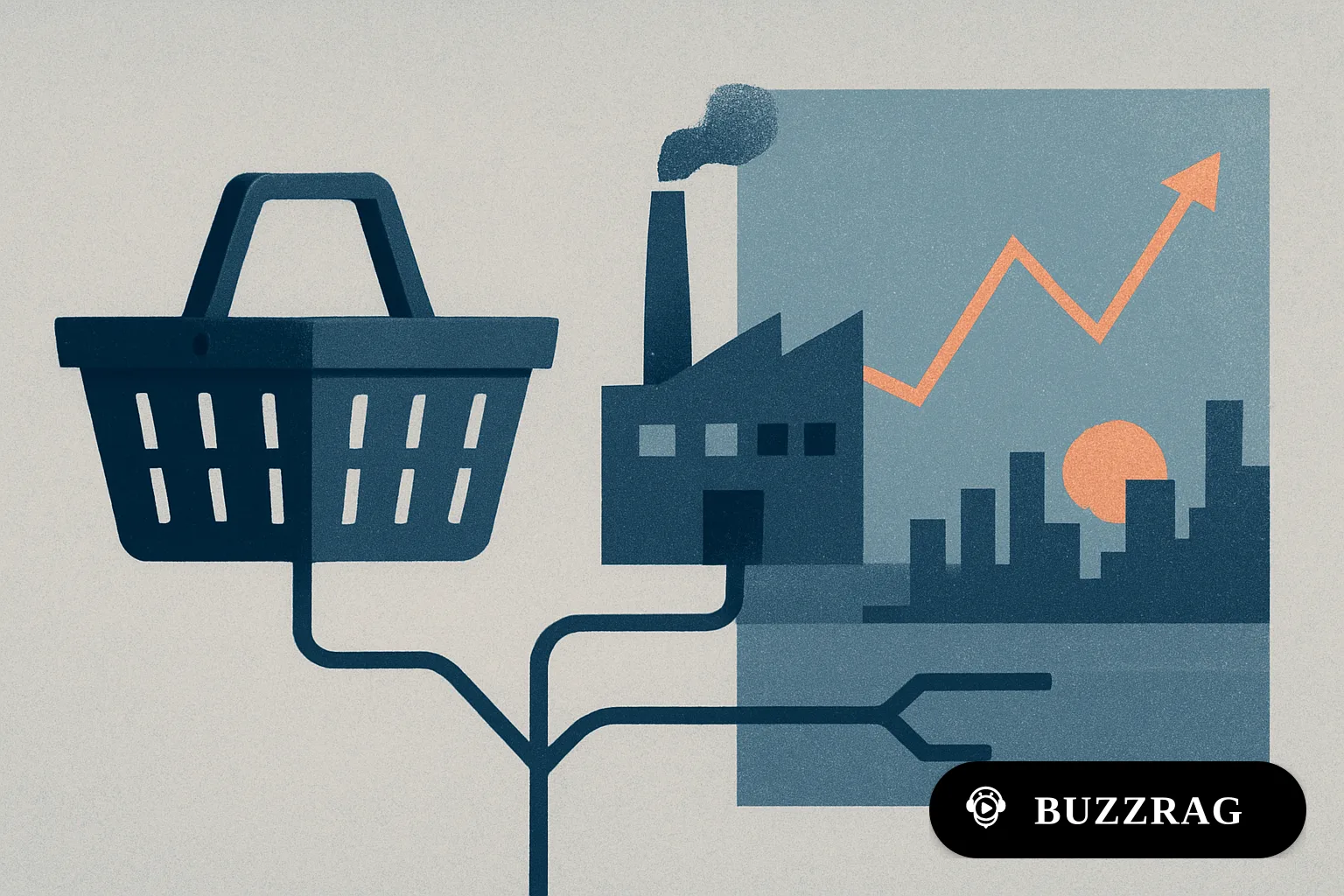
A report attributes a steep tech-stock selloff, and the S&P 500 and Dow entering correction territory, partly to a decline in Anthropic’s valuation or shares. The supplied snippet says the slide triggered a broader downturn, while three additional sources reportedly picked up the story. It gives no index levels, percentage moves, timeframe, or evidence separating Anthropic-specific news from the many factors that can move markets.
The episode highlights how closely investor sentiment can tie AI companies to the wider technology trade, even when the connection between one firm’s fortunes and broad indices is not established by the headline alone. A correction is commonly defined as a fall of at least 10% from a recent peak, but the underlying figures should be checked before treating that threshold as confirmed here. Watch for company disclosures and market data that clarify whether this was a sector-wide reassessment, a short-lived reaction, or both.
AI-assisted proof claim awaits independent mathematical review
Levent Alpöge says Claude helped prove a 167-year-old mathematical conjecture, according to the supplied report. The claim has drawn attention both for the potential role of an AI system in advanced mathematics and because its publication reportedly followed Anthropic’s IPO by one day. The snippet does not name the conjecture, describe the proof, or specify what Claude contributed, and it says independent checks remain pending.
That leaves an important distinction unresolved: an AI assistant may help generate ideas, search through cases, or formalize steps, while the correctness and novelty of a proof still depend on expert scrutiny. A rigorous account should show the argument, clarify the model’s contribution, and explain how the result was verified—ideally with reproducible formal checks where appropriate. The timing invites questions about communication and incentives, but timing alone is not evidence for or against the mathematics. Independent validation, rather than the headline, will determine the claim’s standing.
Researchers discuss linking perception and language in multimodal models
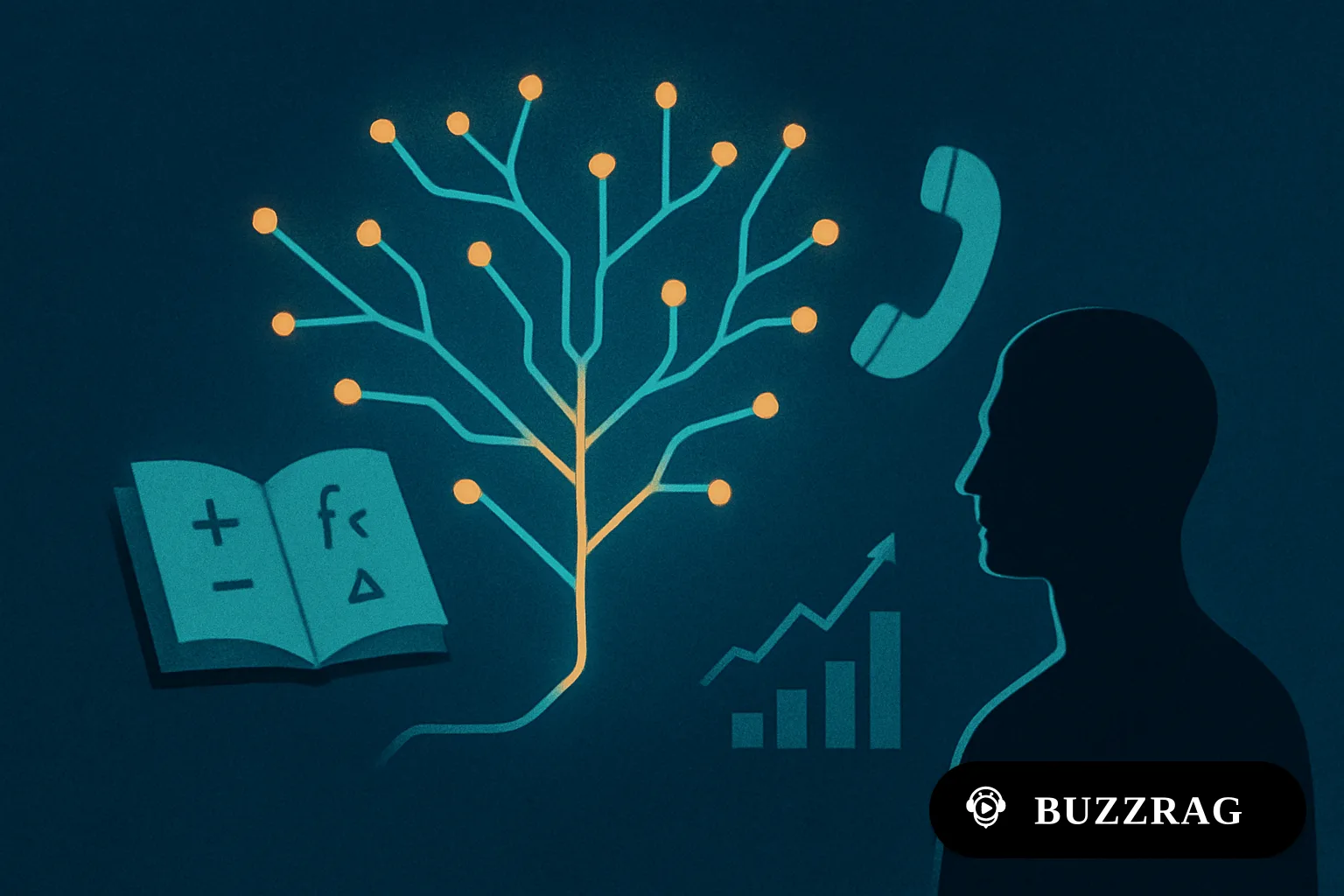
A Q&A with Jim Glass discusses work at the MIT-IBM Computing Research Lab on connecting perception and language in multimodal foundation models. The supplied summary says the collaboration addresses shortcomings in current systems, but does not describe a specific model, dataset, benchmark, or experimental result. That makes this a research conversation rather than evidence of a particular capability breakthrough.
The broader technical challenge is that processing images, audio, or other signals alongside language does not automatically produce a coherent understanding of events and context. Systems must connect what they perceive with the words they use, and evaluations need to show whether that connection holds up beyond curated examples. Without details of the team’s methods or findings, the practical contribution cannot be assessed from this item alone. The most useful follow-up would be a paper or technical report with test conditions and comparisons that reveal which perception-language gaps the work actually closes.
The strongest evidence to watch for is concrete: independent benchmark details for the new models, deployment limits for delegated calls, and outside validation of the mathematics claim. Across the market and research stories alike, clearer methods and verified outcomes will matter more than launch language or headline momentum.