AI. Jordan Mercer1 month ago
GTA 6 Leaks, 2XKO Ends, and a Rough Week for the Industry
GTA 6 gameplay leaked again, Riot kills 2XKO, Saber's AI scandal blows up, and Sony's live service pivot keeps costing developers their jobs.

What's Breaking Through
Major price increases and corporate restructuring reshape console markets and studio operations.
6 articles in this topic
About this topic
The gaming industry is undergoing significant financial and structural changes as major players recalibrate their business models. Console manufacturers have announced substantial price increases across their platforms, with both Xbox and Nintendo's Switch 2 raising retail prices in ways that signal shifting market dynamics. These moves reflect broader pressures on hardware profitability and the need to balance consumer affordability with production costs and investor returns. Simultaneously, established publishers are implementing major organizational changes, with high-profile studio consolidations and layoffs signaling a contraction in the industry after years of rapid expansion during the pandemic gaming boom.
The pricing landscape is particularly notable given the upcoming launch of major titles. GTA VI's entry into the market represents a flagship release that could command premium pricing, while the game's digital distribution strategy and potential platform exclusivity deals highlight how game monetization strategies are evolving. The convergence of new console hardware announcements, price hikes, and blockbuster game releases creates a complex landscape for consumers deciding when and how to invest in gaming platforms. Publishers are strategically positioning their products and pricing to capture value during what they see as an optimal market window.
These developments point to a maturing industry grappling with consolidation. Corporate write-downs and studio restructuring reflect the challenge of sustaining profitability amid rising development costs, longer production timelines, and shifting consumer preferences between physical and digital game distribution. The moves by major platforms to raise prices come as the industry balances innovation, profitability, and market competitiveness. For consumers and observers, this period marks a transition where the relative affordability and rapid innovation of the previous generation gives way to a more consolidated, premium-focused gaming ecosystem with fewer but larger market players shaping the landscape.
BuzzRAG Coverage
GTA 6 gameplay leaked again, Riot kills 2XKO, Saber's AI scandal blows up, and Sony's live service pivot keeps costing developers their jobs.
Xbox console prices rise up to 50% in Europe while Rockstar gates the GTA 6 reveal behind Netflix. Here's what it means for how people actually game.

Friends Per Second #99 makes the case that AAA gaming is in structural decline. Here's what the argument looks like when you actually stress-test it.
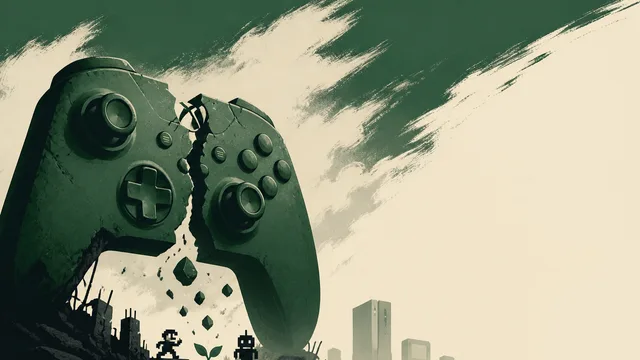
GTA VI's $100 tiered pricing, 292 Bungie layoffs, and Xbox's third price hike in 15 months — a week that clarified who gaming is actually for.
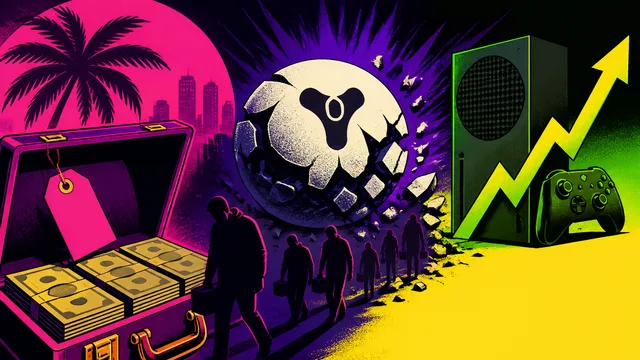
Sony is shelving Destiny 2 for Marathon. Skill Up thinks it's a mistake—and from a mobile gaming lens, the design failures look very familiar.

Switch 2 hits $500, Sony writes down Bungie by ~$766M, and Subnautica 2 launches to massive numbers. Here's what it all means for players.