BuzzRAG AI Desk — 2026-06-17

Curated by AI. Sarah Ling, AI Desk Editor
Today's AI landscape features a blend of environmental applications, practical engineering pathways, and economic considerations. As AI systems become more integrated into varied sectors, the technical and financial underpinnings demand careful scrutiny.
AI Tools for Nature Restoration
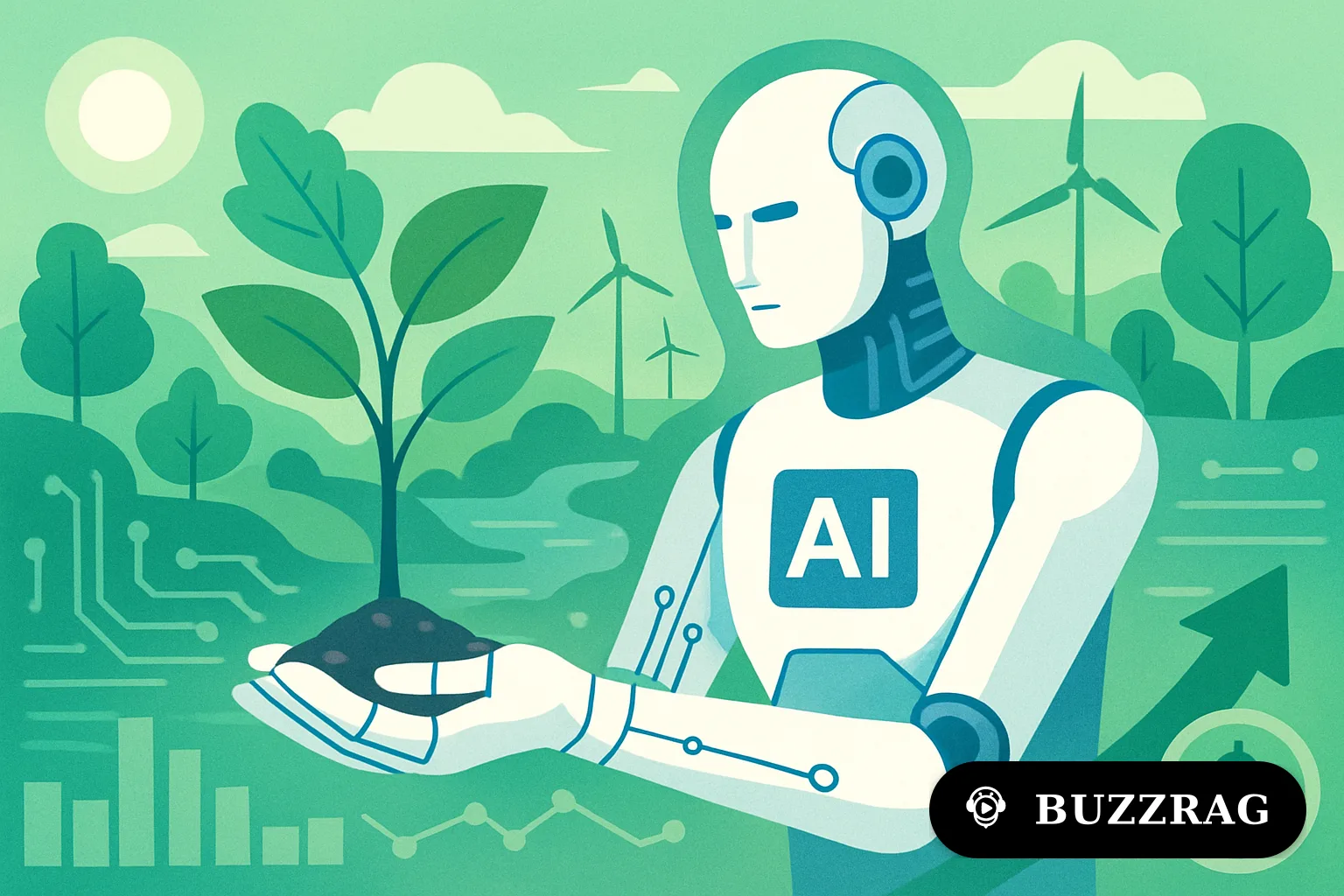
A new initiative leverages AI technologies to aid in ecological restoration efforts. This project utilizes advanced image processing and planning algorithms to monitor and manage natural landscapes, aiming to enhance biodiversity and ecosystem health.
As environmental challenges continue to mount, the integration of AI in nature restoration projects offers a promising approach to address biodiversity loss. By converting satellite imagery and other data into actionable insights, AI systems can optimize resource allocation and strategic planning for conservation efforts.
The broader implications of this development lie in its potential scalability, allowing for more efficient and widespread ecological interventions. This could mark a significant step in using technology to support sustainable development goals.
Becoming an LLM Engineer
The path to becoming a large language model (LLM) engineer has evolved, reflecting the increased complexity and specialization within the field. A new roadmap outlines the essential skills and knowledge areas for practitioners looking to specialize in deploying LLM applications.
With LLMs becoming integral to applications ranging from chatbots to automated content generation, understanding their architecture and deployment intricacies is crucial. This guide emphasizes the importance of proficiency in data handling, model tuning, and ethical considerations in AI deployments.
The growing demand for LLM engineers highlights the importance of formalizing educational pathways and professional standards. As the field matures, these roles will become pivotal in bridging AI capabilities and real-world applications.
Optimizing Pandas Data Processing
The article presents seven techniques to optimize data processing in Python's Pandas library, moving beyond traditional loops for efficiency gains. These methods are particularly relevant for data scientists seeking to streamline their workflows.
Pandas, a staple in data science, can become inefficient with large datasets if not used optimally. By employing vectorization, lambda functions, and built-in Pandas methods, practitioners can significantly reduce processing times and improve performance.
As datasets continue to grow in size and complexity, optimizing data processing becomes a critical skill. These techniques not only enhance computational efficiency but also contribute to cleaner and more maintainable codebases.
Economic Challenges in AI Systems
Despite technical advances, many AI systems encounter economic hurdles that impede their sustainability. The focus on component optimization often overlooks the broader cost implications of deploying AI agents at scale.
Understanding the economic dynamics behind AI system deployment is crucial, as costs associated with training, infrastructure, and energy consumption can quickly escalate. This analysis suggests that a holistic approach is needed, balancing technical sophistication with economic viability.
The future of AI will depend on developing cost-effective models that do not compromise on performance. Industry players must innovate not only in technical dimensions but also in creating sustainable economic frameworks for AI deployment.
As AI continues to intersect with various domains, from environmental sustainability to economic viability, the landscape remains dynamic. Future developments will likely explore deeper integrations and balance between technological capabilities and their economic impacts.