BuzzRAG AI Desk — 2026-06-18

Curated by AI. Sarah Ling, AI Desk Editor
Today's AI news highlights the increasing intersection of open-source collaborations and educational initiatives in the tech industry. With key conferences and awards recognizing contributions to open-source projects, the community continues to foster innovation and knowledge sharing.
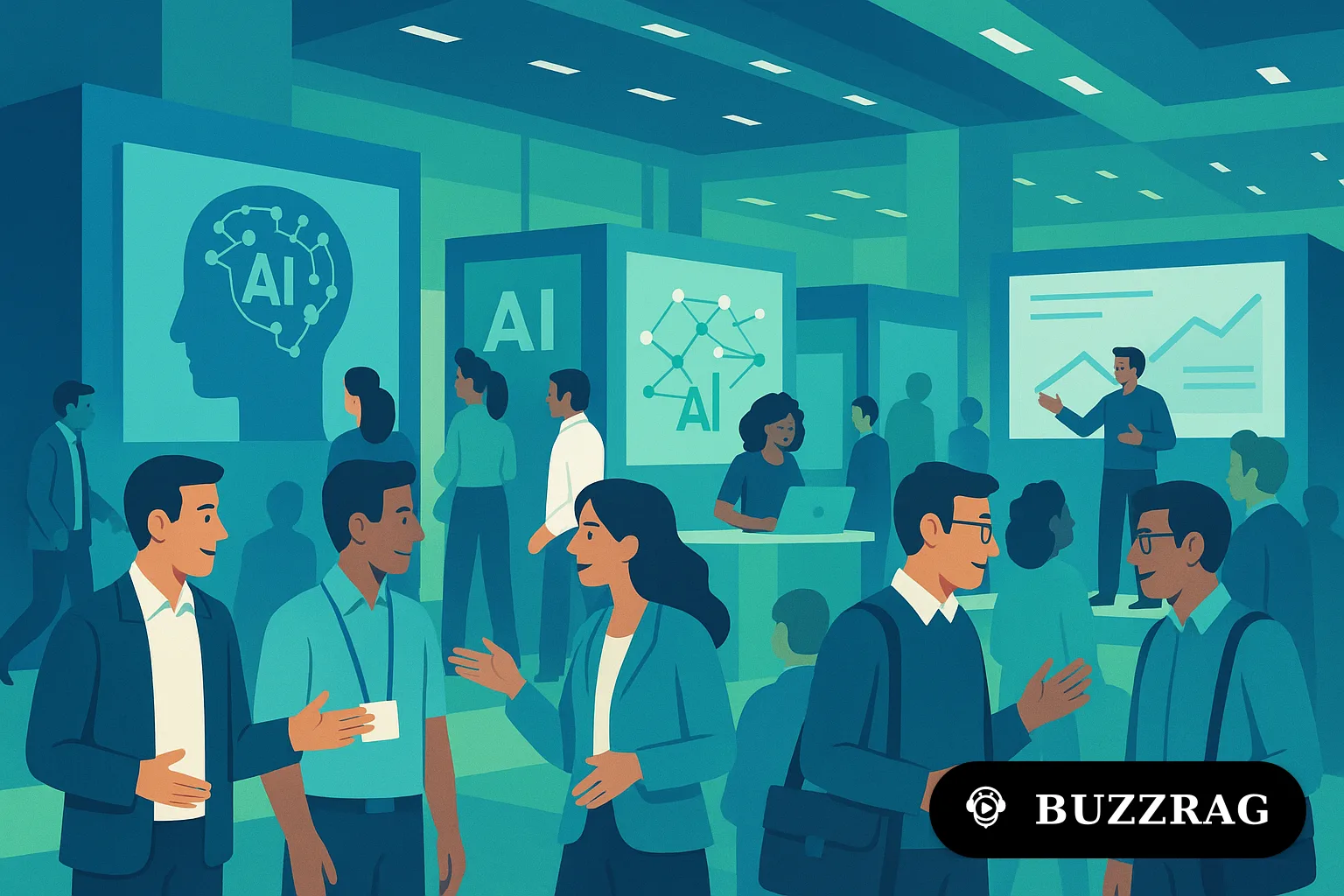
Major AI Conferences Align in China
The schedule for the combined KubeCon + CloudNativeCon + OpenInfra Summit + PyTorch Conference in China has been released, set for September. This event underscores the growing influence of open-source technologies in AI development and deployment, offering a platform for experts and enthusiasts to collaborate and share insights.
These conferences are pivotal for the AI community as they bring together diverse stakeholders to discuss advancements and challenges in cloud-native computing and AI frameworks. The convergence of these events highlights the strategic importance of open-source projects in shaping the future of AI infrastructure.
Participants can anticipate discussions on the latest developments in AI toolkits and infrastructure, with a focus on practical applications and integration strategies. This event is set to influence key industry trends and drive innovation through shared knowledge and collaboration.
PyTorch Contributor Awards Nominate Excellence
The PyTorch Foundation has opened nominations for the 2026 Contributor Awards, celebrating individuals who have significantly advanced projects like PyTorch, vLLM, and DeepSpeed. These awards aim to highlight the critical role of community contributions in sustaining and evolving open-source AI projects.
Recognizing contributors is vital for fostering an engaged and innovative community, encouraging more developers to participate and enhance the ecosystem. These awards not only acknowledge technical achievements but also promote collaboration and knowledge sharing among developers worldwide.
The recognition of contributors can significantly boost morale and incentivize further innovation, ensuring that the open-source community continues to thrive and address complex challenges in AI development.
Behind the Scenes of Building an AI Assistant
An article delves into the personal journey of creating a custom AI assistant, exploring the technical architecture, coding challenges, and functionalities achieved. This narrative offers a detailed account of why building a bespoke solution was preferred over commercial options.
The decision to build a custom AI assistant highlights the trade-offs between personalization and resource investment, showcasing the potential for individuals to tailor AI tools to specific needs. This approach can provide insights into the flexibility and adaptability of AI technologies when applied to unique use cases.
Such stories are invaluable for understanding the practical aspects of AI development, from debugging challenges to functionality enhancements, and can inspire others to explore personalized AI solutions.
Rethinking Custom AI Agent Platforms
A critique emerges against the trend of building in-house AI agent platforms, arguing that vague directives and the allure of 'AI-native' solutions often lead to inefficiencies. The piece highlights common pitfalls such as poorly defined objectives and reliance on superficial technological trends.
This discussion is crucial as organizations increasingly seek to leverage AI for strategic advantage. The analysis warns against jumping onto AI bandwagons without a clear understanding of goals and capabilities, urging a more informed and structured approach to AI integration.
By questioning the rush to innovate without adequate groundwork, the article prompts a reevaluation of how businesses approach AI projects, advocating for clarity and precision in strategy development.
Creative Projects with OpenAI Codex
A set of five projects using OpenAI Codex demonstrates the creative potential of AI-driven coding. These projects range from practical applications to playful experiments, showcasing Codex's capabilities in assisting with coding tasks.
Exploring these projects highlights how AI can facilitate learning and creativity in software development, providing non-experts with tools to execute complex coding tasks. It underscores AI's role in democratizing access to programming and encouraging innovation.
Projects like these emphasize the potential for AI to serve as a catalyst for learning and experimentation, inspiring developers to push the boundaries of what can be achieved with AI-assisted coding.
As open-source collaborations and AI education initiatives gain momentum, the emphasis on community and accessibility continues to shape the AI landscape. Keep an eye on how these developments influence emerging AI technologies and their integration into various industries.