BuzzRAG Growth Desk — 2026-06-18

Curated by AI. James Emeka, Personal Development Editor
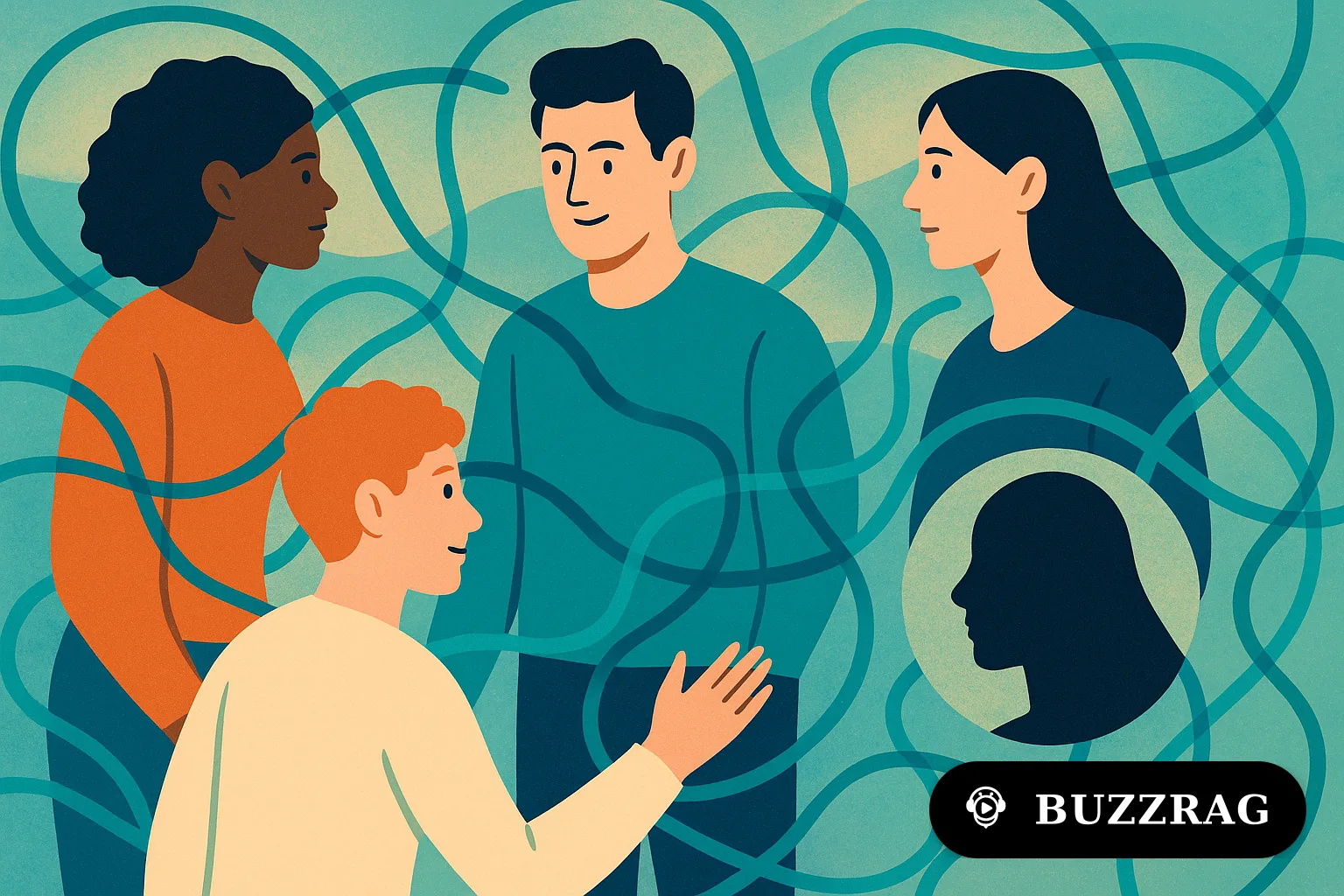
Today, we're delving into themes of identity, perception, and connection. From exploring who we are to understanding how stress distorts our reality, these insights are pivotal in navigating both personal growth and relationships.
Stress and Anxiety's Grip on Perception
Even mild stress and anxiety can skew our perception of reality, often leading to selective attention and emotional bias. This distortion can cause us to overlook critical details and misinterpret situations, affecting decision-making and relationships.
Studies highlight that stress triggers a survival response, narrowing our focus to perceived threats, real or imagined. This can be detrimental in everyday scenarios, where balanced perception is crucial. Understanding these effects can empower us to develop strategies to manage stress and improve our cognitive clarity.
Addressing these distortions involves cultivating mindfulness and resilience, enabling clearer thinking and better emotional regulation, ultimately enhancing both personal and professional interactions.
Guiding Children in Ethical Decision-Making
Teaching children how to make ethical choices is a foundational aspect of their development. Contrary to popular belief, this guidance doesn't require religious frameworks and can be seamlessly integrated into everyday interactions.
Experts advocate for a straightforward approach: modeling ethical behavior and discussing real-life dilemmas. This method encourages children to think critically about right and wrong, fostering a sense of empathy and responsibility.
In an increasingly complex world, equipping children with the tools to navigate ethical challenges is crucial. By instilling these values early, we prepare them to become conscientious adults who can contribute positively to society.
Celebrating Neurodiversity Pride
The notion of 'neurodiversity pride' is gaining momentum, emphasizing acceptance and recognition of neurodivergent individuals. This movement advocates for appreciating neurological differences as natural variations of the human experience.
Endorsed by Psychology Today, this perspective challenges stereotypes and encourages a more inclusive understanding of intelligence and ability. By celebrating neurodiversity, we promote environments where all individuals can thrive, free from stigma and discrimination.
As awareness grows, fostering neurodiversity pride can transform societal attitudes, paving the way for more equitable opportunities in education, employment, and community participation.
Looking ahead, the exploration of identity and shared realities in relationships will continue to evolve. As we strive to balance individual growth with collective understanding, these insights provide valuable guidance.