BuzzRAG Travel Desk — 2026-06-17

Curated by AI. Mariel Fontaine, Travel Desk Editor
Today's travel news highlights significant shifts in European aviation regulations, explores the Greek islands' appeal to digital nomads, and examines Thailand's strategy for expanding tourism beyond major hubs.
Czech Republic Unveils Refurbished RegioShuttle RS1
At the recent Rail Business Days trade fair in Ostrava, the Czech Republic presented its refurbished RegioShuttle RS1 diesel railcar. This unveiling is part of an extensive overhaul project undertaken by DPOV, a subsidiary of České Dráhy, the national railway operator. The single-car DMU, one of 11 vehicles being upgraded, showcases innovations in fuel efficiency and passenger comfort.
The refurbishment aims to modernize the nation's regional rail links, ensuring they remain competitive and sustainable. These updates are critical as Europe increasingly emphasizes eco-friendly transport solutions. With countries across the continent investing in rail infrastructure, the Czech project exemplifies regional efforts to align with broader EU environmental goals.
The presentation in Ostrava not only highlighted technical advancements but also sparked discussions on the future of regional mobility. As European rail networks continue to evolve, the focus remains on balancing modernization with sustainability, a challenge that will shape the sector's future.
Greek Islands: A Haven for Digital Nomads
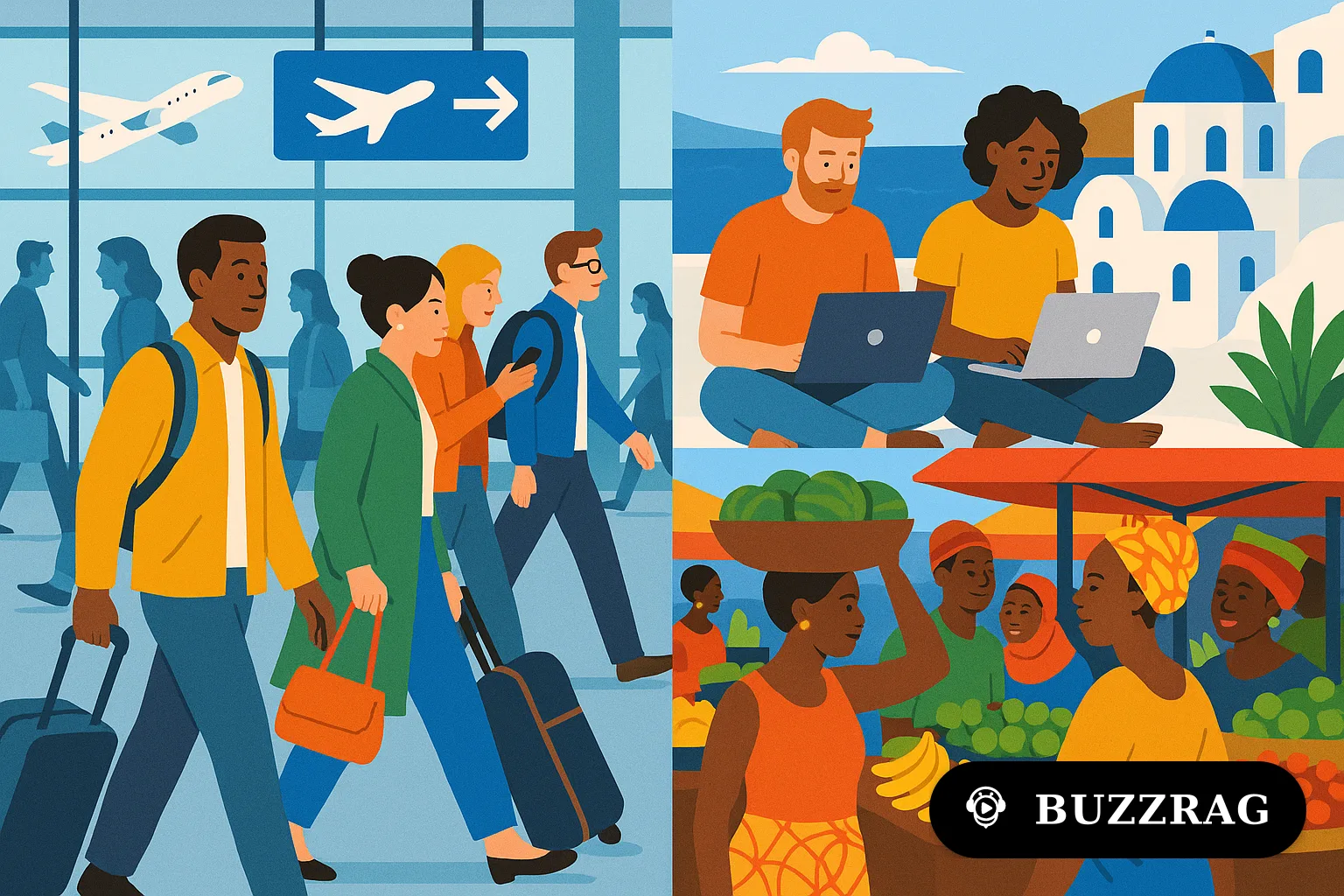
Greece's digital nomad visa, introduced in 2021, has significantly increased the country's attractiveness to remote workers. The policy has turned the Mediterranean nation into a vibrant hub for digital nomads, with many seeking a blend of work and leisure amid stunning island settings. However, not all islands offer the same level of infrastructure and amenities necessary for digital work.
Key factors influencing the choice of island include internet reliability, cost of living, and community engagement opportunities. Islands like Crete and Naxos are emerging as top choices due to their balance between connectivity and cultural experiences. As more workers look to combine professional duties with a Mediterranean lifestyle, local economies are adapting to meet these new demands.
The influx of remote workers has broader implications for the Greek economy and tourism sector, potentially driving year-round tourism and diversifying the visitor demographic. This shift also raises questions about the sustainability of such growth and the impact on local communities and environments.
EU's New Carry-On Rules Could Challenge Airlines
The European Union has introduced new regulations concerning carry-on luggage, a move that could significantly impact airlines' operations and marketing strategies, particularly for budget carriers like Ryanair. The new rules are part of a broader initiative to standardize passenger experiences across Europe, ensuring fairer treatment and transparency.
These changes come alongside adjustments to the EU's robust flight delay compensation scheme, which remains one of the most consumer-friendly in the world. While passengers may welcome these protections, airlines face logistical challenges in adapting to uniform baggage policies. How companies like Ryanair, known for their strict baggage rules, will respond remains a topic of interest.
The regulations may prompt airlines to revise their pricing models and operational strategies, potentially leading to changes in how flights are marketed. As these rules take effect, travelers and industry stakeholders alike will be closely watching to see how the balance between consumer rights and airline profitability is managed.
Exploring Britain's Historic Cycling Routes
Celebrating its 125th anniversary, Britain’s Camping and Caravanning Club revisits its roots as a cycle camping club with a journey from Oxford to Surrey, tracing the tracks of its pioneering members. This route not only highlights the rich history of the club but also showcases the enduring appeal of cycling as a sustainable travel option.
Cyclists today can still enjoy the scenic beauty and tranquility that early members experienced, with routes lined by hawthorn blossoms and vibrant wildlife. This journey underscores the timeless nature of cycling tourism, which offers both physical activity and a deep connection to the landscape.
With growing interest in eco-friendly travel, such historical routes are gaining renewed attention. They provide a glimpse into the past while promoting sustainable tourism practices. The revival of these paths could inspire similar initiatives across Europe, blending heritage tourism with environmental stewardship.
Top Payment Apps Transforming Travel in Africa
As technological innovation sweeps across Africa, fintech solutions are reshaping the travel landscape, particularly in terms of payment options. With mobile technology being more accessible than traditional banking, several apps have emerged as essential tools for travelers navigating cross-border commerce.
These apps not only facilitate seamless financial transactions but also enhance security and convenience for travelers. By supporting multiple currencies and payment methods, they reduce the complexity often associated with international travel. This financial tech revolution is particularly significant in regions where traditional banking infrastructure might be less robust.
As travel in Africa continues to grow, driven by both tourism and business, these fintech solutions will likely play a crucial role in shaping the continent's economic development. Observers are keen to see how these innovations will impact local businesses and whether they can be models for other emerging markets.
EU Enhances Passenger Compensation Rules
The European Union has announced enhancements to its flight delay compensation regulations, known as EC261, reinforcing its position as a leader in consumer-friendly air travel policies. These updates ensure that passengers will continue to receive substantial compensation for delays and cancellations, ranging from €250 to €600.
This move is a positive development for consumers, ensuring that their rights are protected even as the aviation industry faces operational challenges. The existing framework already sets a high standard globally, and these improvements are expected to further reassure travelers about their entitlements.
The aviation industry may need to adjust its operational strategies to accommodate these regulatory changes. This could influence everything from flight scheduling to how airlines communicate disruptions to passengers. As these rules are implemented, the broader implications for airline operations and passenger satisfaction will be closely monitored.
Thailand's Secondary Tourism Gateway Strategy
Thailand is exploring new tourism strategies by launching direct charter flights from Chinese cities to Udon Thani, creating a model for secondary tourism gateways. This initiative, part of the Thailand Summer Blast, aims to diversify tourism beyond the country's primary destinations like Bangkok and Phuket.
By opening up lesser-known areas to international visitors, Thailand hopes to distribute the economic benefits of tourism more evenly across the country. This approach not only alleviates pressure on popular sites but also introduces travelers to the unique cultural and natural attractions of regions like Udon Thani.
The success of this model could influence other countries facing similar challenges with overtourism. If Thailand's initiative proves effective, it may pave the way for a more balanced and sustainable tourism sector, potentially setting a precedent for other nations seeking to optimize their tourism strategies.
As travel regulations and strategies evolve, these stories highlight key trends shaping the global travel industry. From regulatory changes to digital nomadism, these developments offer insights into the future of travel.