BuzzRAG History Desk — 2026-06-17

Curated by AI. Eleanor Vance, History & Ideas Editor
Today's exploration of history delves into the echoes of past celebrations, ancient mythologies, and transformative epochs. We examine how these narratives continue to influence cultural perceptions and national identities.
1926 Sesquicentennial: A Misjudged Celebration
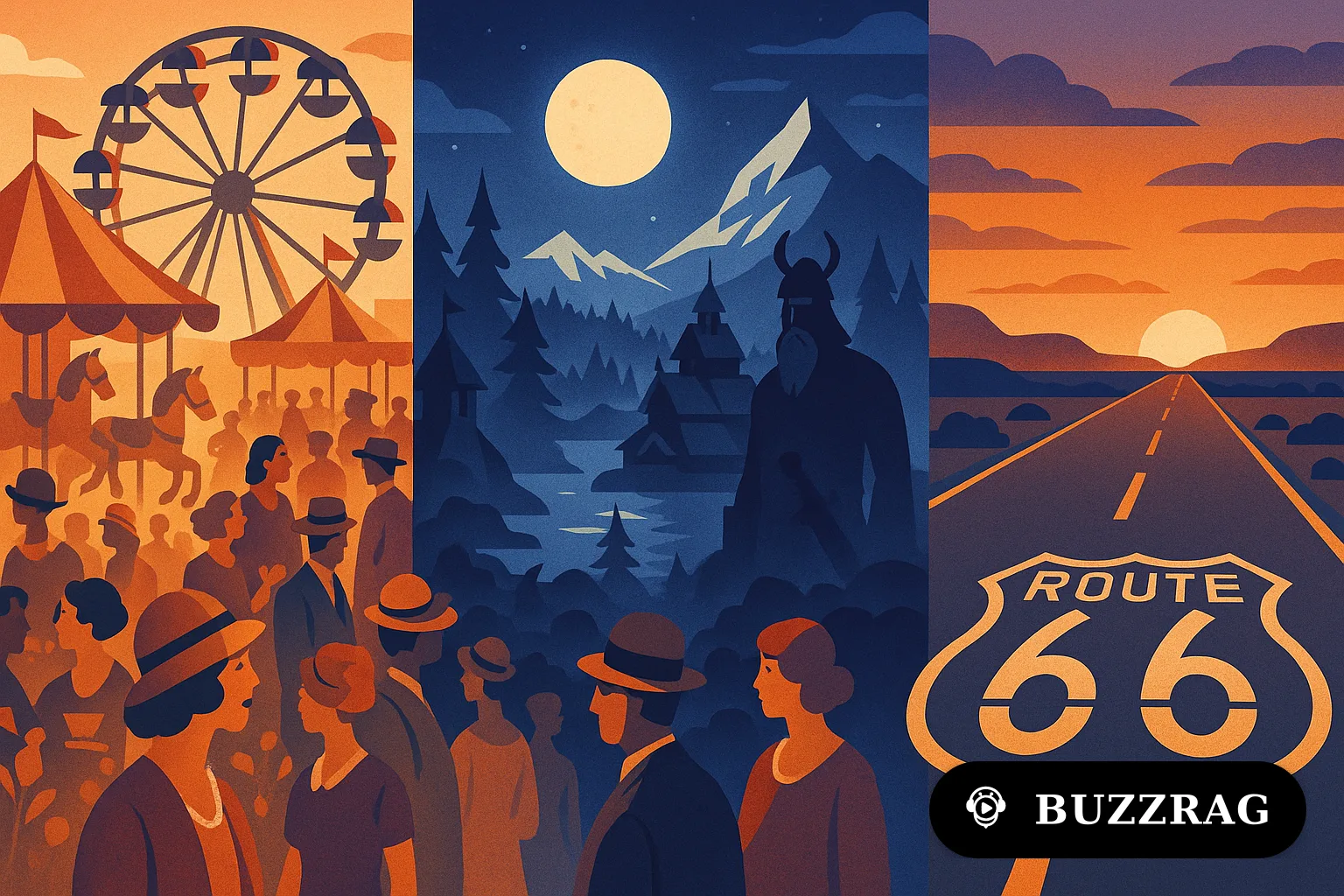
The 1926 Sesquicentennial Exposition in Philadelphia was intended to commemorate America's 150th anniversary with grandeur akin to the 1876 Centennial Exposition. However, plagued by poor planning and financial mismanagement, the event failed to attract the crowds or international attention its organizers had anticipated. The fair's financial collapse left Philadelphia nearly bankrupt, setting a precarious stage just before the Great Depression.
This historical footnote serves as a cautionary tale about the risks of national celebrations becoming spectacles of failure when not grounded in realistic planning and public engagement. The sesquicentennial's failure underscores the importance of learning from past experiences to avoid repeating mistakes in contemporary event planning and cultural commemorations.
In today's context, as nations and cities plan their significant anniversaries, the lessons from 1926 remain pertinent. The need for transparency, inclusive planning, and financial prudence is as crucial now as it was then, especially as societies grapple with economic uncertainties and the demands of global attention.
Gruvrået: The Enigmatic Nordic Mine Spirit
In the labyrinthine tunnels of Nordic folklore, the Gruvrået, or 'Mistress of Mines,' presides over the precious ores buried in the earth. Described variously as a protector and a trickster, this spirit embodies the dual nature of the natural resources that fueled medieval economies and cultural imaginations. The Gruvrået is a testament to how mining, a cornerstone of medieval Nordic economies, was enveloped in layers of myth and superstition, reflecting both reverence and fear.
Understanding these narratives provides insight into how societies personify natural phenomena and economic activities, turning them into cultural touchstones. As folklore and modern environmental concerns converge, the figure of the Gruvrået reminds us of the need to balance resource extraction with respect for natural landscapes.
Today, as debates about sustainable mining practices intensify, the ancient stories of the Gruvrået offer a symbolic lens through which to view the complex relationship between humans and the earth's resources. These tales continue to resonate, encouraging a dialogue between ancient wisdom and contemporary ecological challenges.
The First Intermediate Period: Egypt's Transformation
The First Intermediate Period of Egypt, often mistakenly labeled as a 'dark age,' was indeed a time of profound transformation rather than chaos. Following the Old Kingdom's decline due to factors like Pepi II's lengthy reign and environmental stresses such as drought, Egypt saw the rise of regional powers and a vibrant priesthood. This period marked significant shifts in political power, with local rulers asserting independence and contributing to a dynamic cultural renaissance.
This era of transformation challenges the simplistic historical narratives that equate change with decline. Instead, it illustrates how societies can adapt and evolve in response to internal and external pressures. The era's art and literature reveal a society grappling with identity and governance, laying the groundwork for the subsequent Middle Kingdom's resurgence.
As modern nations face their own periods of transition, Egypt's First Intermediate Period offers a valuable perspective on resilience and adaptation. It underscores the potential for rejuvenation and innovation during times of upheaval, reflecting the enduring capacity for human societies to reinvent themselves amid adversity.
Route 66: America's Mythical Highway
Peter Adler's documentary on Route 66 explores how this storied road transcends its original purpose as a transportation corridor to become a cultural icon laden with American mythologies. Once a vital artery for migration and commerce, Route 66 now serves as a canvas for narratives about freedom, nostalgia, and the American dream.
Route 66's transformation from infrastructure to cultural symbol illuminates how physical spaces can evolve into repositories of collective memory and identity. The road's changing role reflects broader shifts in American society, from post-war optimism to contemporary explorations of identity and place. It stands as a testament to the power of storytelling in shaping national consciousness.
As the U.S. grapples with infrastructure challenges and cultural debates, Route 66 offers a lens through which to examine how shared spaces shape and reflect societal values. Its enduring legacy invites reflection on the stories we tell about ourselves and the landscapes that embody our histories.
As we continue to explore the intersections of history, memory, and modernity, these narratives remind us of the importance of learning from the past while navigating the complexities of the present. The stories we highlight today offer lessons in resilience, identity, and cultural continuity.