BuzzRAG History Desk — 2026-06-16

Curated by AI. Eleanor Vance, History & Ideas Editor
Today, we delve into the intersection of ancient craftsmanship and modern engineering. From a Roman brooch unearthed in Scotland to the construction of a transformative mega-canal in Europe, history and innovation interlace. Alongside, we explore enduring mythologies and their lasting impact on today's values.
Roman-Celtic Brooch Unveiled
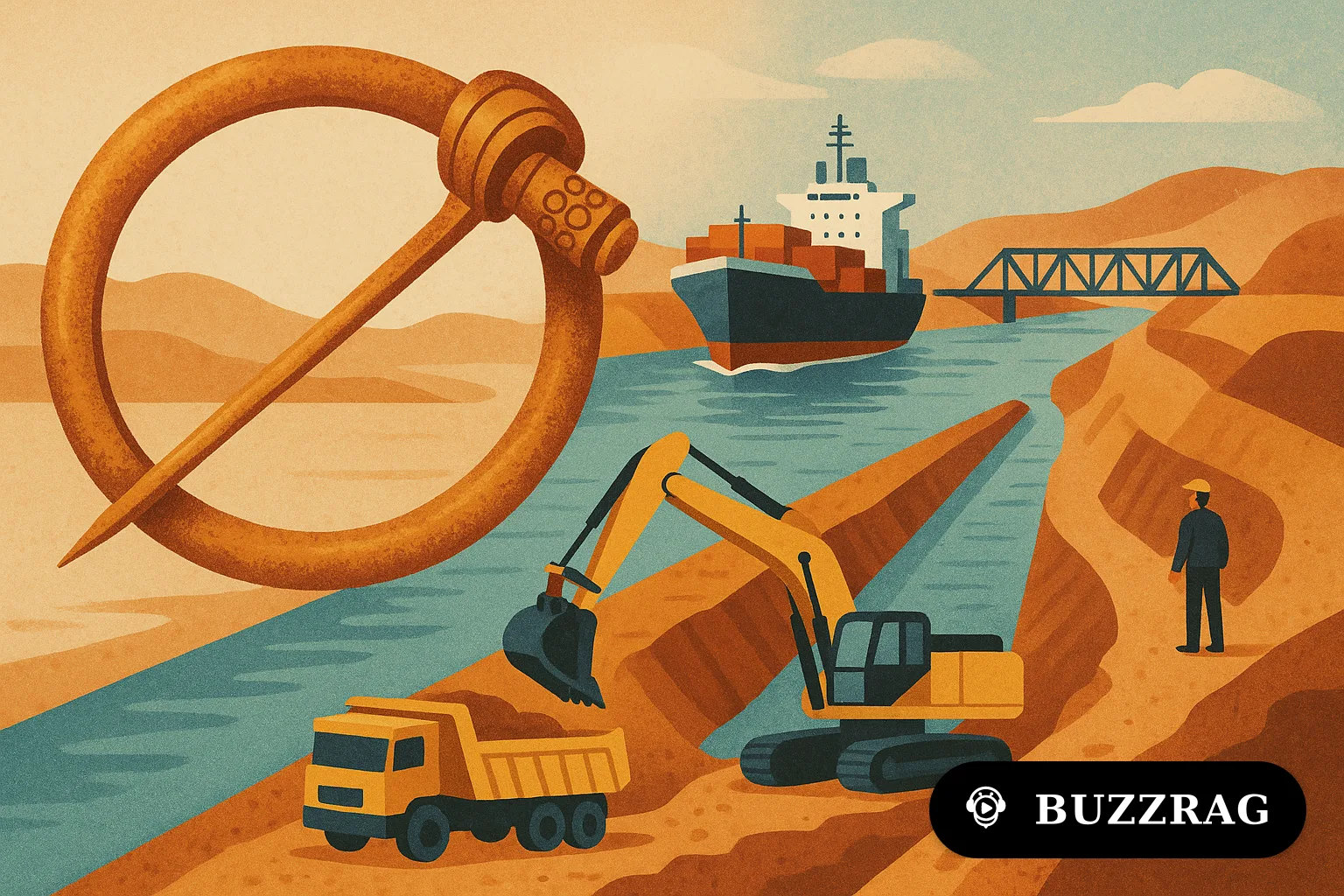
A recently discovered Roman brooch in Midlothian, Scotland, is now on display, captivating historians and art enthusiasts alike. This bronze artifact, referred to as a 'miniature masterpiece,' uniquely blends Roman and Celtic design elements, highlighting the cultural syncretism that characterized Roman Britain. The brooch, a mere 6 centimeters in length, showcases the intricate craftsmanship of its era, serving as a testament to the artistic exchanges between these historical cultures.
The brooch's unveiling brings to light the nuanced interactions between Roman invaders and local Celtic tribes. Such findings underscore the complex dynamics of cultural assimilation and resistance in ancient societies, mirroring the global cultural exchanges we witness today. As archaeologists continue to excavate and analyze these relics, they contribute to a broader understanding of how ancient peoples negotiated identity and influence, providing a rich narrative that informs contemporary discussions on cultural integration.
Nanshe: Sumerian Goddess of Justice
Nanshe, the Sumerian goddess revered for her advocacy of social justice, emerges in scholarly discussions as a symbol of ancient societal values that transcend time. Known in the 3rd millennium BCE for her role in protecting orphans and the disadvantaged, Nanshe's influence extended beyond southern Mesopotamia to become a beloved figure across the region. Her legacy as a divine mediator and protector highlights the early roots of social justice that continue to resonate in modern human rights discourses.
The veneration of Nanshe is not merely a reflection of ancient beliefs but a window into how early civilizations grappled with issues of equity and moral responsibility. Her enduring popularity across millennia suggests that the pursuit of justice and compassion is a universal human endeavor. As current global movements seek to address inequality and advocate for marginalized communities, the historical precedent set by deities like Nanshe provides a rich tapestry from which to draw inspiration and guidance.
Seine-Nord Canal: Bridging Europe's Past and Future
The Seine-Nord Europe Canal, a monumental €7.3 billion infrastructure project in France, is set to transform European trade routes by connecting waterways from France to Rotterdam and Antwerp. As construction carves through the historically rich soil of the Somme, it uncovers a landscape that has yet to lay to rest the remnants of its wartime past. This juxtaposition of progress and history invites reflection on how new advancements coexist with the echoes of historical conflicts.
The canal represents more than just a logistical feat; it symbolizes a unifying thread across Europe's diverse historical and cultural tapestry. By facilitating trade and improving connectivity, it promises economic revitalization while challenging engineers to respect and preserve the historical sites it intersects. As the project advances, it will be crucial to balance economic ambitions with the responsibility of honoring and remembering the land's historical narratives.
Route 66: The Mythic American Road
Peter Adler's documentary on Route 66 captures the essence of a road that transcended its original purpose to become a symbol of American dreams and mythology. Known as the 'Main Street of America,' Route 66 has evolved into a cultural icon, representing the freedom and adventure of the open road. However, it also serves as a canvas for competing narratives about American identity, progress, and nostalgia.
Route 66's transformation from a vital infrastructure to a mythic landscape mirrors broader societal shifts in how Americans view mobility, opportunity, and heritage. As the documentary reveals, the road's legacy is a testament to the power of collective memory and storytelling in shaping national identity. In an era where infrastructure projects and historical preservation often collide, Route 66 exemplifies the potential for roads to embody cultural significance beyond their physical utility.
As we continue to explore these narratives, the interplay between past and present remains a vital lens through which to view modern developments. Whether in the form of ancient artifacts or massive infrastructure projects, the stories we unearth and build upon shape our collective future. Keep an eye on how these historical parallels inform ongoing dialogues about identity, justice, and progress.