World of Warcraft: Forever Beta Opens With Optimism
World of Warcraft: Forever's beta has drawn positive early reactions. Progression, group play and time demands could shape its life after the opening hours.

Written by AI. Jordan Mercer
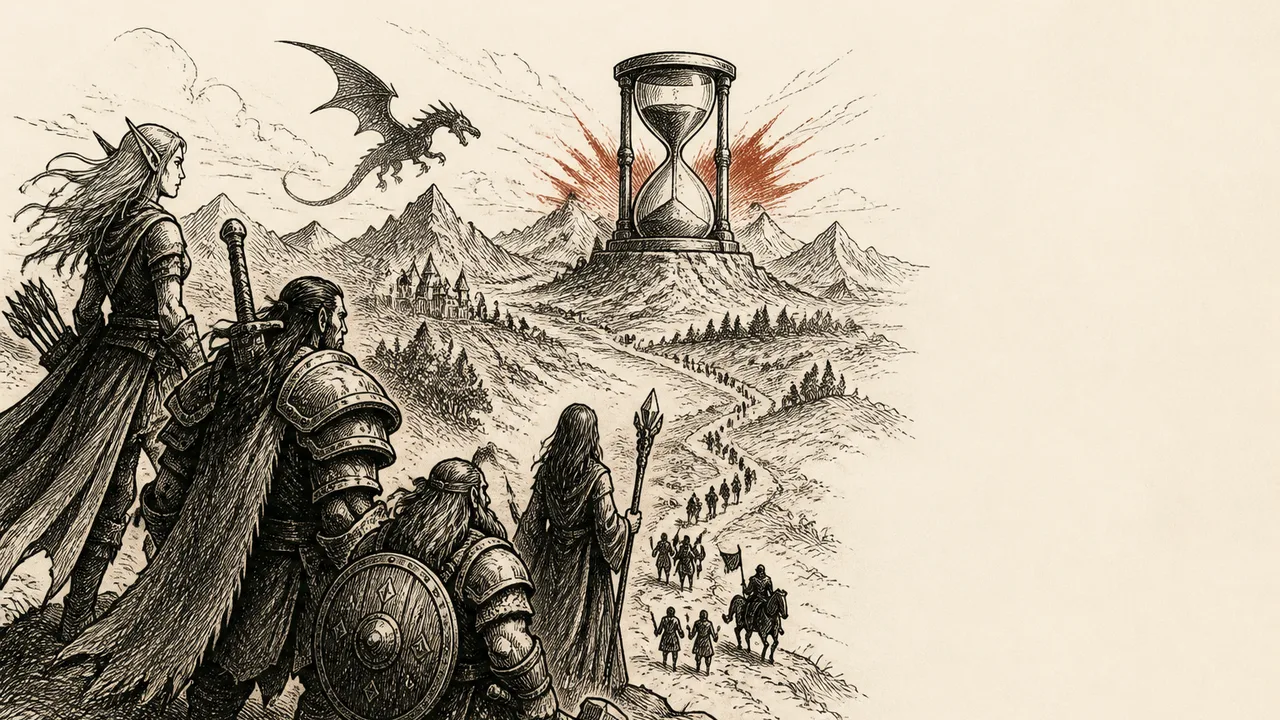
World of Warcraft: Forever has made a promising first impression across 30 hours of beta play. The 20-hour assessment is enthusiastic about its appeal to old-school fans. Those are substantial early sessions, but they offer a view of beta play rather than a forecast of how the game will work for a broad population over months.
That gap is where an online world earns its keep. A strong opening can make players want to log in tomorrow. The harder job is giving them a good reason to log in next month, when the route ahead is familiar, their friends have progressed at different speeds, and an evening's play has to compete with everything else demanding their time.
The early reactions give Forever a useful starting point. They also put a sharper question on the table: what, exactly, will it ask players to do to keep up?
The Old-School Pitch Has More than One Audience
For players drawn to older approaches to World of Warcraft, a longer journey can be part of the appeal. Progress feels different when getting somewhere takes planning, when another player can change how a session goes, and when the world asks for attention rather than handing out a reward every few minutes. GamesRadar's favorable old-school reaction suggests that Forever's opening speaks to at least some of that audience.
But “old-school” describes a set of preferences, not a single schedule. One player might welcome a slower path because each gain feels earned. Another might love that same path until their group pulls ahead during a busy week. The design question is how much friction creates satisfying decisions and how much simply separates people who want to play together.
A trip that takes effort can give a world scale. Repeating an inconvenient trip can turn scale into a commute. A demanding group activity can make cooperation memorable. If getting a group together consumes most of a short session, the activity itself has to justify that wait. Forever's longer-term appeal will depend on where those trade-offs land during ordinary play, once people know the route and stop marveling at the scenery.
This is also why early enthusiasm deserves to be taken seriously on its own terms. Players who want a world with some resistance have a clear stake in whether Forever delivers it. Smoothing every inconvenience away would serve a different preference. The challenge is to preserve the effort that gives progress its weight while making room for players whose calendars don't line up neatly.
Time is Part of the Progression System
The time-budget question has already reached advice for playing Forever with limited hours. The existence of that guide points to a practical concern: players want to know how to make a session count.
In a persistent game, time shapes more than individual progress. Friends may arrive with different amounts of it. A group that begins together can spread out quickly if one member plays nightly and another gets two evenings a week. Whether they can still find rewarding things to do together becomes a social design issue, not a question of who is sufficiently committed.
Progression systems set the pace of that separation. If the next worthwhile goal demands a long, uninterrupted session, a player with an hour may struggle to start. If every small task offers a useful step forward, short sessions can still feel purposeful. Neither approach guarantees a better game. The trade-off depends on whether the biggest achievements retain their appeal and whether smaller sessions leave players connected to the same world.
There's a competitive angle here, too. A difficult goal can reward preparation, coordination and skill. A steep time requirement may instead reward whoever can repeat the same task most often. Those incentives can coexist, and players will feel the difference when they try to keep pace with friends or measure their own improvement. If Forever wants effort to feel satisfying, the route from effort to reward has to be legible.
A Live World Runs on Other People's Decisions
An online game's social life cannot be evaluated only through the quality of its early objectives. Players make plans, form groups, specialize, leave, return and occasionally discover that everyone else made plans without them. Systems that feel generous or demanding in a short stretch can change character once a community settles into routines.
Group play is one place to watch. How easily can friends with different amounts of progress find something worth doing together? Does helping a newer player feel rewarding, or does it ask an established player to put their own goals on hold? Those answers affect whether a world grows through its players or fractures into people waiting for someone at precisely the same stage.
Balance has a similar social cost. When players conclude that one approach gets results faster than another, group expectations can narrow even if the game still permits plenty of choices. Experienced players will test what works; communities will share what they learn. Supporting a live world means responding to those discoveries without stripping away the choices that made experimenting interesting in the first place.
The economics of commitment also extend beyond hours played. Players will need to understand the costs of staying involved and whether any paid conveniences affect how progress feels. A purchase that saves time can carry different weight in a game whose appeal includes the journey. That is a question to ask of the full experience, alongside the ordinary work of updates, fixes and keeping players able to meet one another.
What the Next Stretch Should Answer
Forever's optimistic start creates a fairly concrete set of things to watch. As more players enter, do short-session and long-session players continue to cross paths? Can a group recover when one friend falls behind? Do the goals that follow the opening reward learning and coordination, or mostly repeated hours? When players discover dominant strategies, does the world still leave room for different ways to contribute?
None of those questions requires the game to please everybody. An online world can make demanding choices and attract players who value them. What it needs is a clear relationship between the time it asks for and the experiences players get back, especially when those experiences depend on other people showing up.
Thirty hours can tell a player they want to return. Forever's next test is whether the friends they want to return with can make it back, too.
More Like This

Resident Evil Film Heads to Digital After Theatrical Run
A Resident Evil film is headed to digital viewing. Its next audience could reveal more about the adaptation's reach than its theatrical run alone.
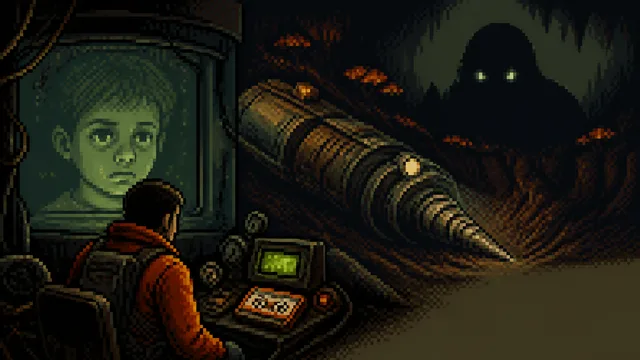
Mole Is a PC Horror Game Mobile Devs Should Study
Jacksepticeye's nearly 3-hour Mole playthrough reveals a psychological horror game built around grief, cassette tapes, and Soviet-era dread.
Diablo IV: Lord of Hatred Expansion Review
Explore Diablo IV's Lord of Hatred expansion. New classes, zones, and a thrilling campaign await.
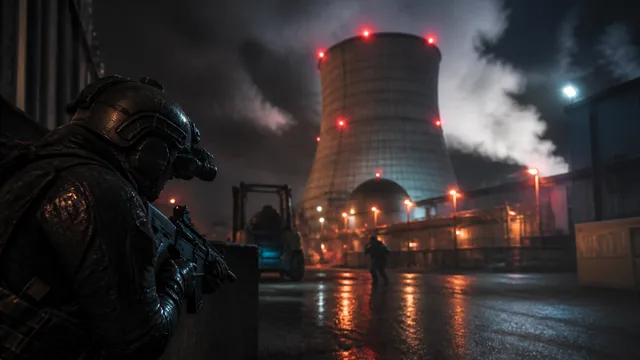
Delta Force Season Meltdown Brings Big Changes
Delta Force's Season Meltdown drops a nuclear plant map, Rainbow Six Siege crossover, and free rewards. Here's what VanossGaming's run actually shows you.
WoW Patch 12.1 Launched Broken — Again
World of Warcraft's Patch 12.1 launched with unkillable raid bosses, missing elevators, and server outages. It's the third Midnight patch in a row to ship broken.
Warcraft Forever: Blizzard's Permanent Level 60 Classic Plus
Blizzard revealed Warcraft Forever at BlizzCon, a permanent level 60 WoW. What's confirmed, what's still unclear, and what the upgrade pack means.

Xbox Price Hikes and GTA 6's Netflix Reveal Reshape Gaming
Xbox console prices rise up to 50% in Europe while Rockstar gates the GTA 6 reveal behind Netflix. Here's what it means for how people actually game.
Markiplier's Indie Horror Picks and a Design Problem
Markiplier plays three itch.io horror games — O.B.O.L., Wet Candy, and Mortem — and accidentally delivers a masterclass in what separates good indie design from checkbox horror.