What Nvidia's Stand With Jensen Petition Can Tell Its Board
Stand With Jensen has drawn thousands of self-identified Nvidia staff. Its petition raises questions about due process, workplace voice and succession at Nvidia.

Written by AI. Carmen Rodriguez
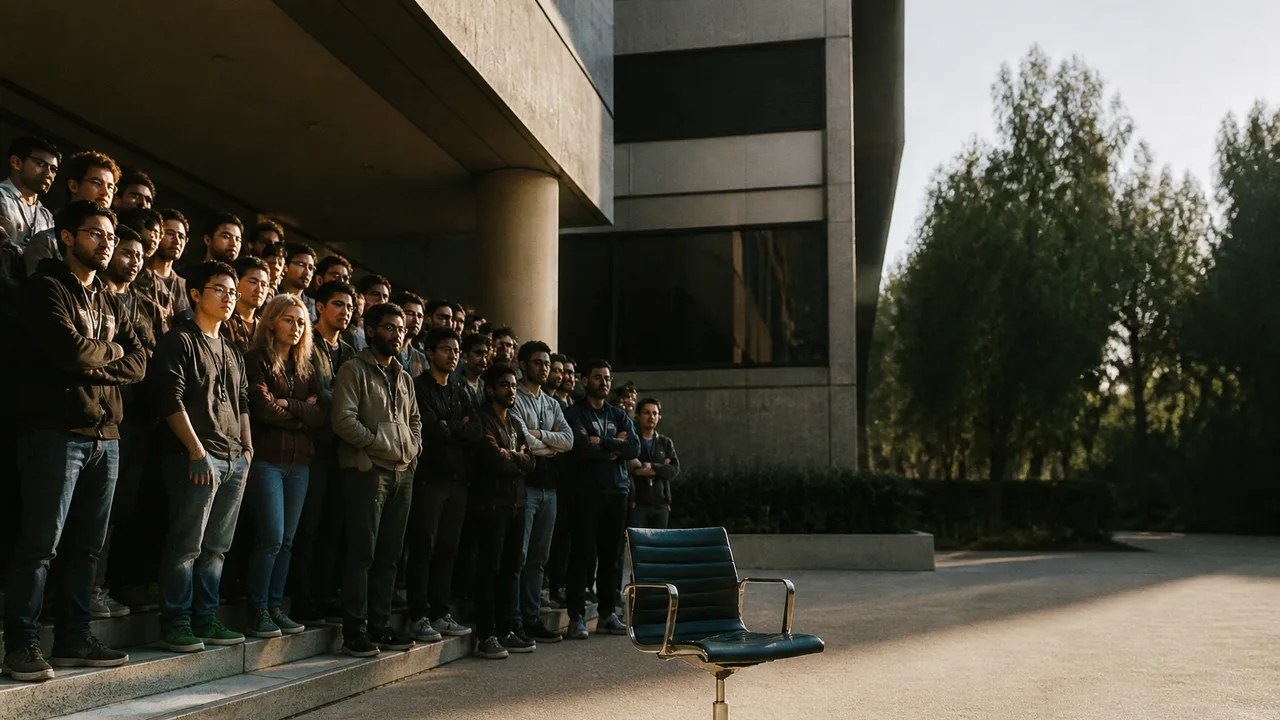
Jensen Huang resigned as Nvidia's chief executive on November 12, ending a 33-year run leading the company he co-founded. Within days, a campaign called Stand With Jensen was urging the board to bring him back while an independent investigation establishes the facts. Its petition had more than 165,000 signatories by November 16.
That is a substantial public intervention in a leadership decision. It also presents Nvidia with two questions that deserve separate answers: What should the board tell people about its decision, and should Huang resume running the company? A signature can press for an explanation without resolving the second question.
Huang left amid scrutiny of his relationship with Alice Huang, a former Megaspeed executive accused of spying for China, and reports of an affair with an Nvidia employee. The espionage allegation remains contested: China denies it, while Megaspeed says assertions about its business lack verifiable support and says it is investigating its operations. US lawmakers want answers about possible access to information and the handling of chip export restrictions. Nvidia's finance chief, Colette Kress, is leading the company while its internal investigations continue.
A Petition with Two Different Demands
Stand With Jensen calls for Huang's reinstatement or a specific, evidence-based explanation of why his absence serves Nvidia. It also asks for an independent investigation with a disclosed scope and timeline, a chance for Huang to respond before a final decision, and a timely public account of the board's concerns and how it weighed employee and shareholder interests. The letter's stated demands acknowledge that his long tenure does not put him above accountability.
The strongest case for the campaign is procedural. A board that changes leadership after three decades ought to be able to explain its decision and assess the relevant allegations fairly. That argument deserves consideration even from someone who would oppose reinstatement. But putting Huang back in charge during an inquiry would itself be a consequential decision. The board would have to weigh his ability to lead against concerns about workplace conduct, company information and export compliance before those questions are settled.
The petition says its signers have not been shown evidence that Alice Huang was a spy. The public's lack of access to such evidence cannot, by itself, establish what Nvidia's directors knew or why Huang resigned. A public explanation could clarify the board's reasoning without requiring it to disclose every detail of an internal inquiry. Whether Nvidia can provide one that answers employees' concerns remains an open question.
The workplace questions also extend beyond the allegation involving Alice Huang. Reports of a relationship with an Nvidia employee raise a different concern for a board assessing conduct: how reporting relationships and company rules applied to its chief executive. A fair inquiry would have to take Huang's response seriously while making room for the interests of people who worked under his leadership. A petition calling for due process for the CEO does not tell the board how those employees experienced the workplace.
What the Signatures Can Tell the Board
The campaign's numbers grew fast. In a November 15 snapshot, its counter listed 2,980 signers who identified themselves as current Nvidia employees, alongside former employees, shareholders and other supporters. In a separate, later snapshot reported on November 16, more than 7,500 signers identified themselves as Nvidia employees, among more than 165,000 total signatories. Both employee figures are self-identified campaign affiliations, not verified employee counts. The campaign has said it is working to remove fake signatures and confirm employee identities.
Those categories matter for a practical reason. A shareholder, a customer worried about chip supply and an employee who works under Nvidia's management can all favor Huang's return, but they face different consequences from that decision. Elon Musk has supported the letter and expressed concern that deals tied to Huang personally could be lost. That business concern does not answer what employees need from their workplace.
The petition gives the board a visible request to consider. It also cannot tell them how employees who worry about conflicts of interest, reporting relationships or retaliation assess the leadership change. Those questions call for a way for workers to speak without having their views reduced to a public tally under their former CEO's name.
The campaign also filters its list. Messages expressing mockery or negative sentiment toward Huang may be rejected along with their signatures. Moderation may protect a petition from abuse; it also means the published list is designed to gather support for its position. The board can take that support seriously without treating the site as an employee survey.
The Founder Question Has a Longer History
Huang co-founded Nvidia in 1993 and remained at its helm for 33 years. Before his resignation, he was deeply involved in daily operations and had around 60 direct reports. Analysts cited his central role when they questioned who could succeed him. Nvidia's financial filings warned that a failure to plan effective succession and smooth executive transitions could hinder its strategy and long-term success.
That history strengthens one part of the campaign's case. Removing a leader who knows so much of the company creates a serious transition problem, regardless of the allegations. It also exposes the risk of building an operating model around a person whose departure the company may struggle to absorb. Reinstatement could ease an immediate transition; it would leave the longer-term succession question waiting for another day.
The board initially expressed confidence in him and said it had no reason to believe national security or Nvidia secrets had been compromised. Its later leadership change makes an explanation of what changed a reasonable request, while the continuing inquiries make any definitive judgment about the allegations premature.
Two investors, Brad Gerstner and Gavin Baker, offered a useful comparison. Their separate appeal to the board sought a deliberate process that kept open the possibility of Huang's return until the facts were known. Baker also signed the Stand With Jensen letter, the campaign website said. The investor appeal and the petition both resist closing off a return too soon. The petition goes further: it asks for reinstatement or an evidence-based reason for Huang's absence. A careful process could lead to either outcome, and the two appeals place different weight on restoring him now.
Employees have a stake in that process even if they never sign anything. They work within the reporting lines, conduct rules and leadership arrangements that will remain after the petition's counter stops moving. Nvidia's board can address their interests by explaining the standards it applies to Huang, how it will handle the unresolved concerns, and who will lead the company while it decides. A founder's long service warrants a careful answer. So does the workforce that built the company with him.
More Like This

Nvidia Faces Governance Questions Over Jensen Huang Report
An unconfirmed claim about Jensen Huang has raised questions about Nvidia's board, security and leadership. Here's how to separate the allegation from the forecast.
Jensen Huang Built NVIDIA by Admitting He Was Wrong
Jensen Huang told Y Combinator's Startup School how NVIDIA survived its founding mistake — and what that story means for anyone building a business today.

Mass Effect Petition Puts EA's Next Decision in Focus
After BioWare's closure, the #SaveMassEffect petition asks EA to fund a new game or license the franchise. What would either route require of EA and developers?

Mass Effect Fans Use N7 Day to Press EA for a Future
N7 Day brought Mass Effect fans, cast members and politicians into a push for change after BioWare's closure. What could EA do for the series and its creators?

Bessent’s Nvidia Shift Revives Questions Over China Chip Sales
Scott Bessent’s reported shift on Jensen Huang puts Nvidia’s China chip access back in focus, while export rules and licensing decisions remain unresolved.
Why the Proposed AI Slowdown Is Losing Its Coalition
Jensen Huang, Donald Trump and an antitrust lawsuit are squeezing the AI slowdown from different sides, exposing a policy coalition without machinery.

Iran Sanctions and the People Caught in the Crossfire
Trump's new Iran sanctions target trade networks spanning China, India, and Turkey. Here's what economic warfare looks like for the people living inside it.

Temporary Work Is Reshaping the U.S. Labor Market
Temp jobs are surging in 2026 and economists say the trend signals something structural, not just cyclical. Here's what the shift means for workers and employers.