Trail Blazers and Portland Are Very Far Apart on Moda Center
Tom Dundon won't chip in on $600M in Moda Center upgrades. Portland won't write a blank check. Here's what's actually at stake for both sides.

Written by AI. Jai Trivedi
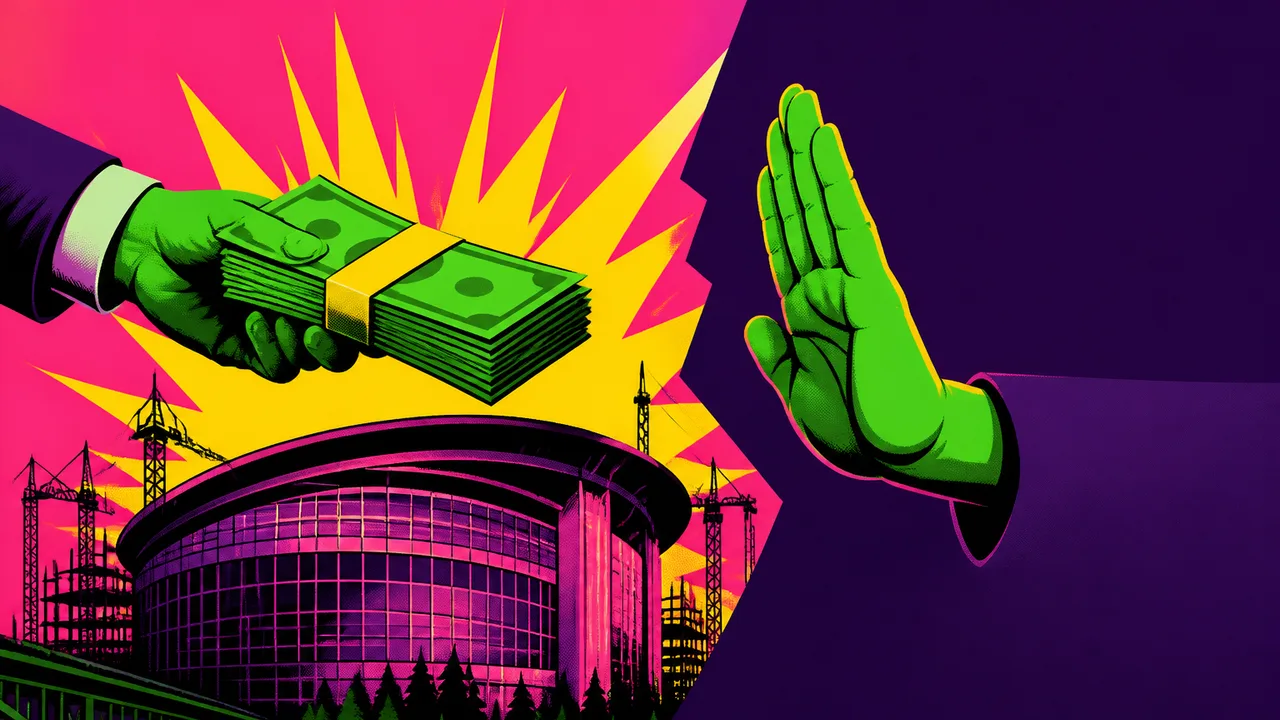
Tom Dundon bought the Portland Trail Blazers and apparently thought the city would cover the tab for fixing the place where they play basketball. That did not happen. Now they're not really talking.
The gap is not small. According to Front Office Sports, Dundon has indicated he is not inclined to contribute toward $600 million in planned upgrades to the Moda Center — and the city, for its part, is not interested in just absorbing that number. A term sheet the city sent the team has done nothing to close the distance. Per RealGM, a team source says the two sides remain "significantly apart." The Athletic used the phrase "very far apart." Sports Business Journal said discussions are "widening." Not narrowing. Widening.
Whatever direction these talks are supposed to be moving, they are moving the wrong way.
What Dundon Wants
The new-owner playbook on arena funding is pretty well established at this point: arrive, assess the facility, declare it insufficient for a modern NBA experience, and request public investment in the name of economic development. Dundon is running a version of that playbook. The argument is that a renovated Moda Center generates more economic activity for Portland — events, tourism, ancillary spending — and therefore the public has a financial stake in the upgrade.
It is not a crazy argument on its face. The NBA brand carries real economic weight, and the alternative — a team that relocates — would cost Portland more than a renovation subsidy. The leverage is implicit even when it goes unspoken.
But the math on those economic activity claims is fuzzy, and everyone in this business knows it. Projected multiplier effects from arena spending are almost always rosier than the realized ones. Cities have learned this lesson enough times that the pitch lands differently than it used to.
Portland Didn't Get the Memo
Portland's political environment isn't exactly rolling out the welcome mat for franchise-friendly terms. The city is operating under real fiscal pressure and genuine public skepticism about whether committing taxpayer money to an NBA arena is the right call right now.
And then there is the lawsuit thing, which deserves its own paragraph because it is genuinely strange. According to The Athletic, the Blazers say they stopped cooperating with the city after a city councilman threatened in June to sue the team — for letting the Moda Center get to the point where it needs renovations. The city and the Blazers share maintenance costs on the arena, which means this is a dispute about shared neglect, not unilateral failure. Threatening to sue your negotiating partner mid-negotiation is an unusual strategy if your goal is actually to reach a deal. It is a very effective strategy if your goal is to blow the deal up, or to establish leverage for a later lawsuit, or to score political points in front of an audience that doesn't want their tax dollars going to an NBA owner.
The result, either way, is that the two parties are now not cooperating. Both sides, per The Athletic, say they want to make a deal. Neither side is actually talking. This is what stadium negotiations look like when they go sideways before anyone's agreed on anything.
The Aging Arena Problem Is Coming for Everyone
Here's the league-wide context, fast: these arenas are old, everyone's eventually going to have this fight, and Portland just drew the short straw first. The Moda Center opened in 1995. Thirty years of NBA games, concerts, and everything else a major arena hosts creates wear that goes well past fresh paint and updated suites. And Portland doesn't have obvious leverage — it's not a market multiple franchises are fighting over, Dundon is relatively new and untested as an owner, and the city's politics aren't tilted toward cutting ownership-friendly deals.
That last part matters most. Cities with desperate mayors, team-friendly councils, or genuine relocation threats tend to write the checks. Portland right now has none of those conditions. Which means Dundon's negotiating hand is weaker than he may have anticipated when he bought the team.
What Actually Gets Resolved Here
There are really only a few ways this ends.
One: the city and team find a middle number — some public contribution paired with meaningful private investment — and they paper it into a long-term lease. This is the boring outcome. It is also the most likely one, because both parties have more to lose from a collapse than from a compromise. Portland loses its NBA franchise and the economic activity that actually does come with it. Dundon loses a team in a market he chose to buy into, which would be a bad look and probably a worse investment outcome.
Two: the deal falls apart completely, negotiations stall for years, and the Moda Center continues to age while the two sides argue. This is the medium-bad outcome. The arena gets worse, the team gets frustrated, the city takes heat for letting it happen.
Three: relocation. This is the nuclear option and the one everyone mentions but almost no one actually wants to execute. Moving an NBA franchise is an enormous undertaking — logistically, legally, reputationally. The NBA itself has a stake in franchise stability. Dundon threatening to leave would be a negotiating tactic until it wasn't, and there's no evidence we're anywhere near that threshold.
The term sheet the city sent is at least evidence that Portland wants to negotiate in some form. The team's refusal to engage because of the lawsuit threat is a real obstacle, but it is also the kind of obstacle that tends to melt away when there's enough money and enough pressure to move past it.
The Precedent Problem
Here's the part that extends beyond Portland: whatever deal structure emerges — or doesn't — gets studied by every other city and every other ownership group going through the same conversation. The Moda Center situation is not an anomaly; it's a preview. NBA arenas from that mid-1990s construction wave are all aging out at roughly the same rate, and their home cities are all going to face some version of this question about public contribution.
Owners will point to whatever Portland does as a floor or a ceiling, depending on which direction helps them. City officials will do the same thing. That's how precedent works in sports finance: it doesn't bind anyone legally, but it shapes expectations and anchors the conversation.
Portland may not have wanted to be the test case. But here it is — arguing over $600 million in renovations with an owner who won't chip in, a council member who threatened to sue, and a lease situation that remains unresolved. Not great! But also not unfamiliar. This is the deal structure that built American professional sports: public venues, private profits, and a negotiation that never really ends.
The only real question is who blinks first — and whether Portland's political climate gives anyone the room to blink at all.
More Like This

College Sports' $20.5M Spending Cap Is Already Broken
Power 4 schools are blowing past the $20.5M rev-share cap through NIL stacking and frontloaded deals. Here's how the workarounds work—and what comes next.
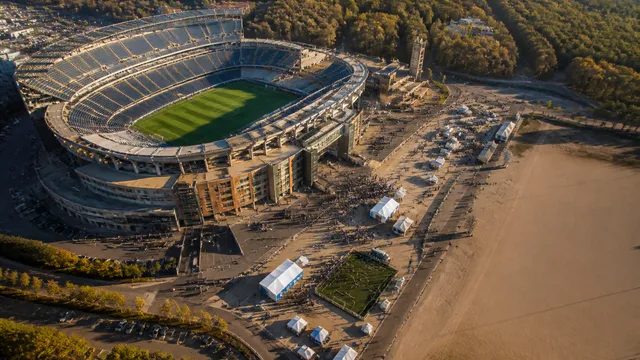
Boston's 2026 World Cup: Great Games, Real Costs
Boston's World Cup run at Gillette Stadium produced tournament classics and a fan zone shutdown. Here's what the city's rocky hosting run actually reveals.
MLBPA's 2026 CBA Push: Rosters, Pay, and Data Power
The MLBPA's latest CBA proposal isn't just about roster sizes — it's about who controls player data, movement, and earning power in MLB's next era.
Stadium Food Prices and the Captive Fan Economy
How exclusive concession contracts, private stadium operations, and public subsidies created a system where fans pay 249% more for a hot dog.
England Ends Norway's World Cup Run, Haaland Silenced
England beat Norway 2-1 in extra time to reach the 2026 World Cup semifinals. Bellingham scored the winner. Here's what the money story actually looks like.

Sports Business Flashpoints: June 25, 2026
From the Moda Center standoff to Allstate's SEC bet on women's sports, five stories shaping the business of athletics this week.

FIFA's TikTok Deal Is Rewriting Sports Media Rights
FIFA's TikTok partnership for the 2026 World Cup pulled 465 million streams. The real story is what that means for every rights deal negotiated after this.

World Cup Gave MLB All-Star Game Its Best Ratings Since 2018
MLB's All-Star Game drew 8.79M viewers on Fox—up 22%—with the World Cup acting as an unlikely lead-in. What does that actually mean for sports broadcast strategy?