Tokyo Film Festival Plans Global Review Before Its 40th
Tokyo's film festival will review its international standing after its 39th edition. What programming, industry ties and local identity could mean for its 40th.

Written by AI. Fatima Al-Hassan
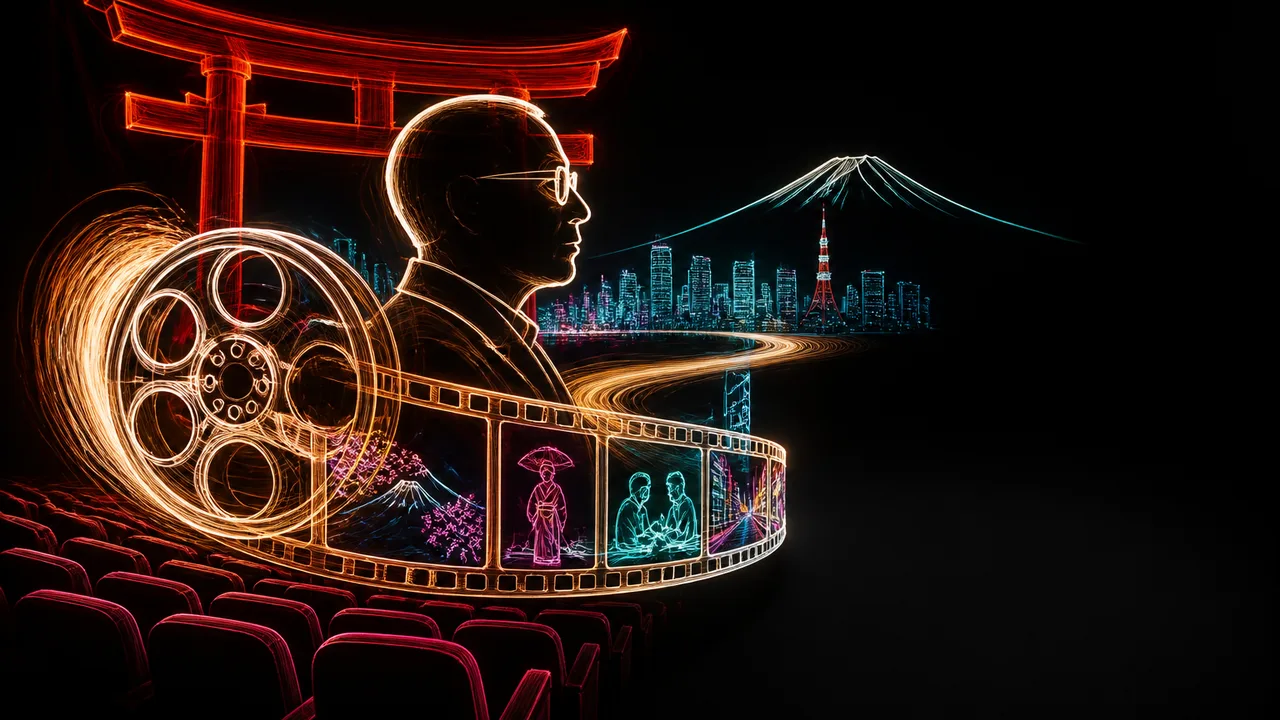
Tokyo International Film Festival director Hisamatsu Takeo plans to review the festival’s international standing after its 39th edition, ahead of its 40th next year. The review is meant to guide the anniversary edition and the decade beyond. Hisamatsu has not identified changes to the program or the way the festival works with the film industry, so the commitment for now is to reassess, rather than to pursue a named reform.
That still gives the festival an unusually consequential question to answer in public: what does it want its international standing to do? A festival can seek attention for its selections, create routes for filmmakers to meet buyers and collaborators, bring audiences into contact with work they might otherwise miss, or present its home city as a place where cinema happens. Those goals can reinforce one another. They can also pull a program in different directions.
Tokyo’s anniversary provides a deadline for deciding which ambitions deserve priority. It does not, by itself, provide a measure of success. A larger international profile could mean more overseas visitors and industry interest; it could also mean a festival whose choices carry further beyond the screening room. The test will be what Tokyo builds after it has examined the 39th edition, and whom that work serves.
What Does International Standing Buy?
Festival status can sound like a league table, but filmmakers encounter it as a sequence of decisions. Where should a film have its first screening? Which festival is likely to put it before an audience that will engage with it? Can a visit lead to conversations with distributors, programmers or potential collaborators? Each decision concerns people and films, not an abstract ranking.
For audiences, the stakes look different. An internationally connected festival can offer access to cinema from elsewhere and give local work a setting in which it enters a wider conversation. For a city, the event can serve as a cultural meeting place. None of those benefits follows automatically from a prominent name. They depend on selections, invitations, scheduling, access and the relationships a festival maintains between editions.
That is why a review focused only on visibility would give Tokyo a narrow answer. Attention can be counted through coverage and visitors, but a festival also makes choices about whose work receives time and space. An international guest may value a screening that leads to another invitation. A Tokyo audience member may value a film that stays in discussion after its guests leave. Those are different forms of reach, and an anniversary program could give each a different weight.
The strongest case for Hisamatsu’s review is practical: asking where Tokyo sits on the global circuit could help the festival decide which opportunities it can offer distinctively. Festivals cannot serve every film in the same way. A clear purpose could make the choices of programmers and industry partners easier to understand, while giving filmmakers a better reason to attend than the number printed on the edition’s poster.
The Choices Behind a Festival Program
Programming is the most visible place to look for a change in direction. A festival seeking wider international attention could change how it presents films from abroad, how it places Japanese films alongside them, or how it helps visiting work find an audience in Tokyo.
The apparent choice between international visibility and local identity deserves closer examination. A program rooted in its city can be compelling to visitors precisely because it offers a perspective they cannot get elsewhere. Equally, a festival that imports films without helping local audiences engage with them may build a guest list while leaving its public role underdeveloped. The relevant question is how Tokyo makes those encounters useful in both directions.
Consider two films that could appear in the same edition. One arrives with a distributor and a path to further screenings. The other needs its festival appearance to introduce it to people who might help it travel. Giving both a slot does not give them the same opportunity. Discussions, introductions and sustained attention can change what a selection does for a filmmaker. Tokyo’s future choices could be judged by those pathways as well as by the titles on its program.
Industry relationships present a related question. A festival may attract visitors for a few days, but its usefulness to filmmakers can depend on whether the right people meet and whether a conversation has somewhere to go afterward. Strengthening that function might require different partnerships or more deliberate connections around selected films. It could also demand time and resources that would otherwise go toward public events. A review with a decade-long horizon should have room to weigh those costs, rather than treating every appealing idea as an addition.
An Anniversary is a Deadline, Not a Strategy
The 40th edition gives Tokyo a natural occasion to explain itself. Anniversary festivals can celebrate a history; Hisamatsu’s proposed review points toward a harder editorial task, deciding what the festival should keep doing and what it might do differently. He intends to assess the 39th edition once it wraps, then use that assessment to help set the course for next year and beyond.
Looking at a completed edition should make the conversation more concrete. Which selections drew the audiences the festival hoped to reach? Where did encounters between filmmakers and industry visitors prove useful? Did the public program and the professional side of the event support the same priorities?
Different participants would answer from different seats. A filmmaker may want a festival to take a chance on work with few other routes to attention. A distributor may want to know who will attend and whether a screening can help a film reach another market. An audience member may care most about access, variety and the chance to talk about what they have seen. Festival leaders have to assemble an event from those competing expectations without pretending they are identical.
Global relevance, then, need not mean copying the priorities of another festival. Tokyo can examine where it gives films a valuable audience, where it connects people who might not otherwise meet, and where its public program feels connected to the city hosting it. Those are choices an edition can reveal. When the 40th arrives, its films and the opportunities around them will show what Tokyo decided its place on the circuit should be.
More Like This
Martin Road Series Retro D12E: A Modern Acoustic Classic
Explore why the Martin Road Series Retro D12E is a hit with musicians, blending vintage aesthetics with modern features.

Dominic Chianese and His Son: Podcasting's Intimacy Economy
A new Dominic Chianese podcast with his son shows how intimacy, memory and authenticity have become podcasting's most durable currency. Here's the analysis.

Toni Collette's Miss Marple and the Prestige Audio Question
Toni Collette stars as Miss Marple in a new Christie podcast. But who really controls this adaptation—and whose nostalgia does it serve?

Jeff Lynne Maps the British Invasion: His Canon, His Reasons
Jeff Lynne has named the British Invasion albums that shaped him. We examine his picks, the canon they feed, and what each choice reveals about his craft.

A Stonehenge Precursor Found Under a Housing Estate
A 5,000-year-old solar structure found near Stonehenge raises sharp questions about prehistoric astronomy—and how Britain treats unprotected heritage sites.

Destiny 2 Ends: A Community Bungie Built and Switched Off
Bungie ends Destiny 2 content updates in June. Three creators reflect on careers, community, and what happens when a corporation owns your third place.