Theranos Documentary Raises Questions About What We See
A new essay questions an Elizabeth Holmes documentary, asking how access, editing and independent evidence shape what viewers understand about Theranos.

Written by AI. Zara Chen
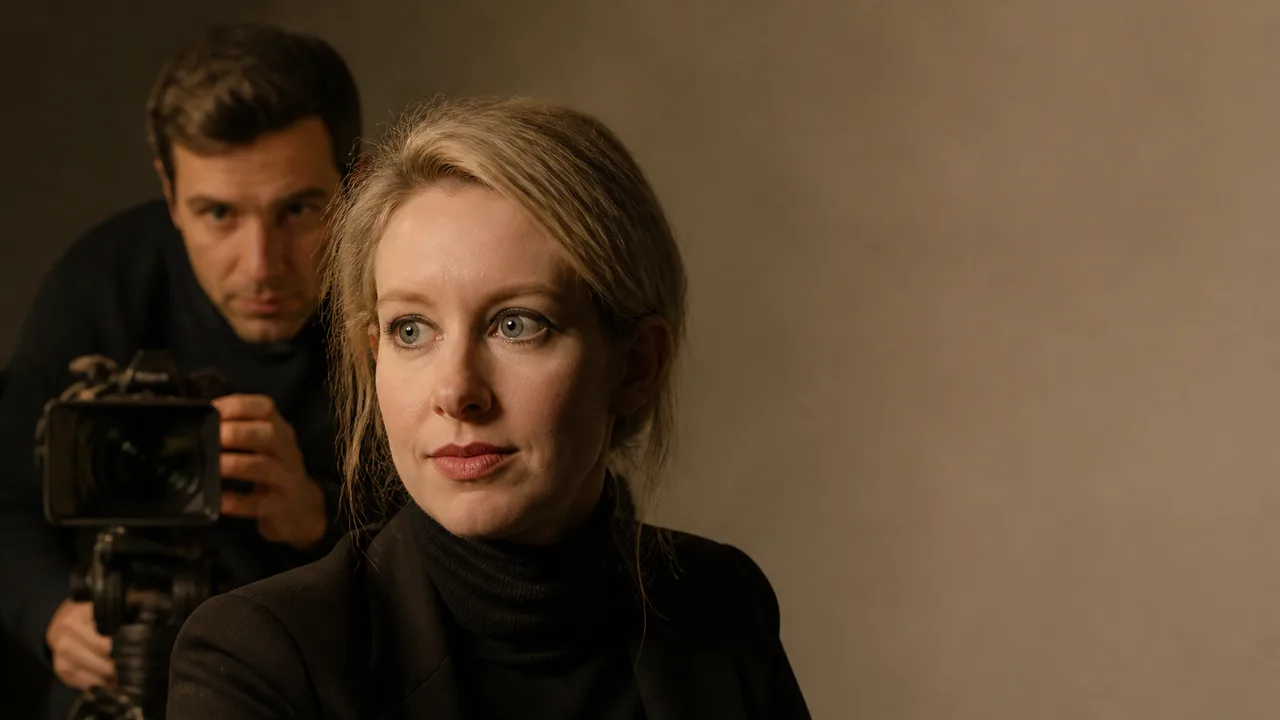
Elizabeth Holmes is the subject of a new documentary called You Can See Everything, a title that makes a remarkably big promise about a company built on claims outsiders struggled to check.
An essay challenging the documentary argues that its presentation of Holmes can mislead viewers. The essay’s description identifies no particular scene, so its challenge is best understood here as a question about the film’s promise of access, rather than a scene-by-scene finding. What can images and testimony show about a company whose defining controversy involved whether its technology worked as advertised?
The documentary comes with an unusual combination of names. Nathan Fielder and Lance Oppenheim are attached to the A24 project, and the film surfaced at Telluride in September. That context helps explain why the conversation has reached beyond people who usually follow blood-testing companies. Holmes was already a recognizable character in tech culture; a documentary gives audiences another way to encounter her. It also gives them another account to evaluate.
What a Camera Can Establish
Theranos promised a breakthrough in blood testing. Its appeal was easy to grasp: a less burdensome process, paired with results that could change how people accessed health information. Whether a device delivers reliable results, though, is a question of testing and scrutiny. A founder can explain an ambition on camera. A camera cannot establish a test’s accuracy by recording that explanation.
That’s the trap inside the title You Can See Everything. Viewers may see people, places, interviews or old footage and feel closer to the truth. Access can be valuable. A person’s account might clarify a decision, reveal a conflict or put an event in sequence. But access also has boundaries. Someone can describe what they believed at the time while leaving open what the equipment did, what staff knew and what customers were told.
Theranos makes those boundaries unusually consequential because the disputed claims concerned health information. Consider the different jobs a documentary might ask a viewer to do. Understanding why people found Holmes persuasive calls for interviews and context. Evaluating a blood-testing claim calls for independent validation and attention to how tests performed outside a carefully presented demonstration. Those questions can sit in the same film, but answering one doesn’t answer the other.
None of this requires documentary filmmakers to turn every interview into a laboratory audit. It does ask them to show viewers when the story moves from a person’s recollection to a claim about how a system operated. If an account says a process succeeded, what would confirm it? If two people remember an event differently, what record could help establish the sequence? The visual intimacy of an interview cannot settle either question on its own.
Why Sympathy Becomes Part of the Story
The question of whether the film will make Holmes more sympathetic is already circulating. It’s understandable that viewers might look for clues to her motives. Public stories about fraud often compress a large organization into one face, then ask that face to carry every explanation. A closer portrait can complicate that shortcut.
Sympathy, however, answers a different question from accountability. A viewer can understand how someone saw herself and still ask what happened to people who relied on the company’s claims. Likewise, treating Holmes only as a symbol of tech-industry excess could flatten the roles played by investors, board members, employees and institutions that had their own chances to ask questions. A useful portrait would make room for human complexity without making the company’s operations disappear behind its founder.
Framing affects that balance. Which memories receive time? Who gets to explain their decisions, and who appears only as a consequence of them? Does an emotional account receive a follow-up question, or does the story move on? These choices don’t automatically make a film unfair. They are how a film builds a line of sight for its audience. Viewers can notice that construction even while finding the interviews compelling.
Holmes’s social media feed has also become part of the discussion around the documentary. A public feed invites interpretation through photographs, captions and timing, then supplies little of the context needed to test that interpretation. Pair it with a documentary portrait and the risk runs in both directions: posts may change how a viewer reads the film, while the film may change how a viewer reads the posts. Neither format offers direct access to a private motive.
The Demonstration Problem
Theranos fits into a wider habit in technology: persuasive demonstrations can travel faster than independent proof. A polished presentation has an obvious advantage. People can watch it, share it and tell a friend what they saw. Checking how a product performs across ordinary conditions takes longer and usually makes for worse television.
For a blood-testing company, the questions are especially concrete. What did a demonstration show? How often could the process produce dependable results? Who checked those results independently? How did the operation work when nobody was preparing a presentation? Those questions point to different forms of evidence. Treating the most watchable one as the answer to all four is how a story about verification turns back into a story about charisma.
The strongest case for the documentary’s approach deserves consideration. Interviews, archives and narrative structure can help an audience follow events that would otherwise remain scattered across technical disputes and corporate decisions. A person explaining a choice can give viewers a lead on where to look next. Emotional understanding can also help viewers grasp why employees, backers or the public responded as they did. Documentary storytelling has tools that a chart of test results lacks.
Its strength creates the tension. A film has to select, order and cut. Even a long documentary cannot reproduce the full experience of working at a company, evaluating its devices or living with the consequences of an unreliable claim. Filmmakers therefore make judgments about what carries the story. Audiences make a second judgment, often quickly, about whether what they’ve seen is enough.
A practical way to watch You Can See Everything is to keep three questions separate: What did Holmes and others say? What did Theranos claim its technology could do? What independently tested those claims? When a scene answers the first question, it may make the next two more urgent. That’s a productive use of access, rather than a failure of it.
The essay’s challenge to the title points toward a standard audiences can apply well beyond Theranos. A documentary can show us people we might never hear from and records we might never seek out. Then the screen fills, the scene ends and the viewer has to decide which question still needs an answer.
More Like This
This Creator Got Shadowbanned on YouTube in 25 Days—On Purpose
A vidIQ creator deliberately shadowbanned their channel with AI-generated content to expose how YouTube's algorithm actually works. The results are wild.
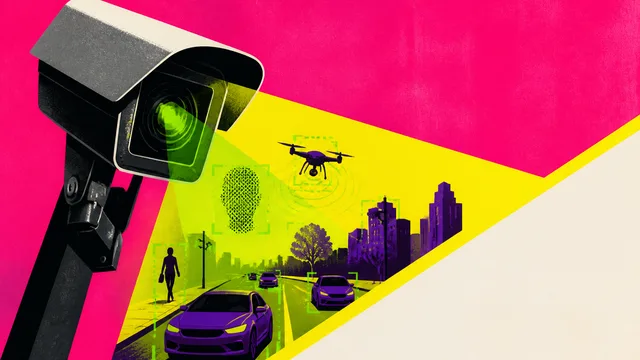
Flock Cameras Track Far More Than License Plates
Flock Safety's AI-powered cameras are spreading fast across U.S. cities—and they're capturing far more than license plates. Here's what's at stake.

Renewables Hit 30% of US Electricity in Early 2026
EIA data shows renewables reached 30% of US electricity in early 2026, up from 27.8% a year ago. Here's what that number actually means—and what it doesn't.

Apple's Reference Image Builds a Photo Evidence Chain
Apple's Reference Image proposal could preserve photo provenance through edits and platforms, but its value depends on adoption and careful trust rules.

Grok Build Goes Open Source After Data Privacy Scandal
SpaceXAI open-sourced Grok Build days after researchers caught it uploading entire user repos to the cloud. Is this transparency—or damage control?
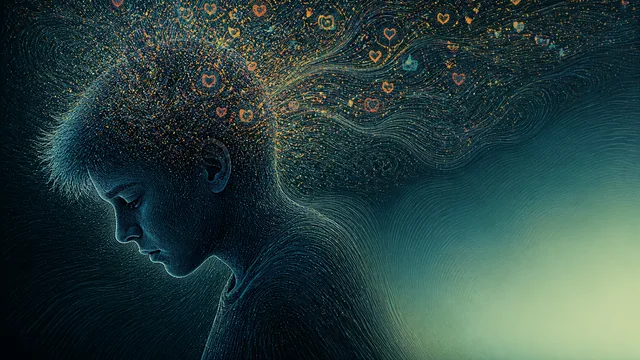
Social Media Linked to ADHD Symptoms in Teen Boys
A UCSF study tracking 11,000 kids finds addictive social media use predicts rising ADHD symptoms in boys—and the algorithm angle makes this hard to dismiss.