Statins May Cut Dementia Risk in Type 2 Diabetes
A major study finds early statin use after a type 2 diabetes diagnosis is linked to up to 15% lower dementia risk. Here's what the evidence actually shows.

Written by AI. Nadia Marchetti
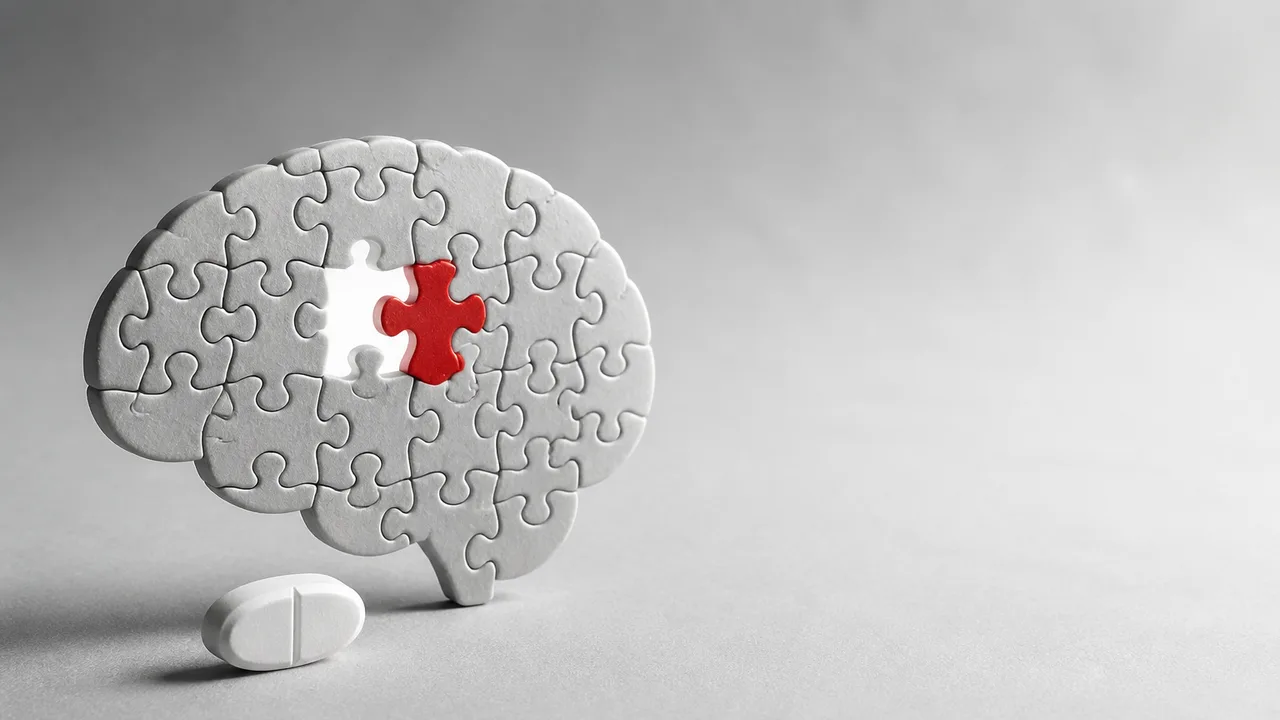
There's a particular kind of medical finding that deserves careful attention rather than a press release victory lap: the kind where a drug already in widespread use turns out to do something useful that nobody originally designed it to do. The statin-dementia story landing out of Munich this week is exactly that kind of finding. It's suggestive, it's significant in scale, and it raises more interesting questions than it answers.
On August 30, 2026, researchers presented a large cohort study at ESC Congress 2026 in Munich, simultaneously published in The Lancet Regional Health: Europe. The core finding, as reported by Mirage News: early initiation of statins after a type 2 diabetes diagnosis was associated with a lower risk of dementia. That's a sentence worth sitting with, because diabetes and dementia are two of the most consequential and costly conditions in aging populations worldwide, and this study suggests the same prescription that protects the heart may also be buying time for the brain.
What the numbers actually say
The Guardian's coverage pins the headline figure at up to 15% lower relative risk of dementia in people who started statins early following their type 2 diabetes diagnosis, compared with those who did not. The same piece, citing researcher Ternhamar, notes that late statin initiation (starting the drug well after diagnosis rather than soon after) was associated with a 10% lower relative risk of dementia over ten years. That 5 percentage point gap between early and late initiators is arguably the sharpest signal in the data: it suggests timing matters, not just the drug itself.
Relative risk figures, of course, need context. A 15% relative risk reduction sounds dramatic in isolation but means something quite different depending on a person's baseline absolute risk. The sources available don't break out the absolute risk numbers for this cohort, so I'll say plainly: that detail matters enormously for clinical translation, and readers should treat the relative figures as a signal worth investigating rather than a prescription for action.
Still, the directional finding is consistent and the dataset is large enough to be taken seriously. MedicalXpress describes a "large cohort," and ESC Congress presentations typically clear a high bar for statistical methodology before making the main program at a conference of that caliber.
Why this population specifically?
People with type 2 diabetes already face elevated dementia risk compared with the general population. The mechanisms connecting the two conditions are an active area of research: chronic hyperglycemia can damage blood vessels throughout the body, including those supplying the brain; insulin resistance may impair neuronal function; and systemic inflammation, a hallmark of poorly controlled diabetes, is increasingly implicated in neurodegenerative processes. So this cohort isn't chosen arbitrarily. Researchers looking for a protective signal from statins have good biological reasons to look here first.
Statins work by inhibiting HMG-CoA reductase, lowering LDL cholesterol and reducing cardiovascular events. Their anti-inflammatory and vascular-protective properties have been documented extensively. What's less settled is whether those same mechanisms translate into neuroprotection. According to The Guardian, researchers including Ternhamar said experts are still investigating exactly why statins might lower dementia risk. That's an honest and important admission: the association is observed, but the mechanism is not confirmed.
There are a few candidate pathways. Statins reduce neuroinflammation in animal models. They may stabilize cerebrovascular function, keeping the small vessels that feed cortical tissue from silently failing over years. Some research suggests they affect amyloid precursor protein processing, relevant to Alzheimer's pathology specifically. But "some research suggests" is doing real work in that sentence. None of these mechanisms have been nailed down in human trials to the point where clinicians can say: this is why it works.
The observational design question
This is a cohort study, not a randomized controlled trial. That distinction isn't a dismissal; large, well-constructed observational studies are how we generate the hypotheses that controlled trials later test, and many clinically actionable insights have come from exactly this kind of work. But it does mean the association between early statin use and lower dementia risk could reflect confounders that the researchers didn't fully capture.
The most obvious one is what epidemiologists call "healthy user bias." People who start statins promptly after a diabetes diagnosis are, almost by definition, people who engage with medical care, take prescriptions seriously, and probably make other health-protective choices. Are they also sleeping better, exercising more, drinking less? Those behaviors all independently affect dementia risk. Disentangling "statins did this" from "people who take statins also do other protective things" requires careful adjustment, and without access to the full methodology from the Lancet paper, the extent of that adjustment isn't something I can evaluate here.
The timing gradient (early starters doing better than late starters, who still do better than non-starters) is a partial answer to this concern. Dose-response relationships in cohort data are considered stronger evidence than a simple comparison, because they're harder to explain away with a single confounder. If the effect were entirely due to healthy user bias, you'd expect less of a gradient based on initiation timing.
What sits alongside this finding
A separate research thread worth noting: Knowridge Science Report covered concurrent research suggesting that diastolic blood pressure readings may serve as a dementia risk indicator. That work isn't directly linked to the statin study, but it points in the same direction: vascular health and brain health are increasingly understood as deeply entangled, and the signals showing up in cardiovascular medicine keep pointing toward implications for cognitive aging.
This isn't a coincidence so much as a natural consequence of where the science is heading. Dementia research spent decades looking almost exclusively at the brain. The emerging picture is messier and more systemic: the brain doesn't exist in isolation from the cardiovascular system, and conditions that stress blood vessels, whether diabetes, hypertension, or high LDL, appear to accelerate the neurological clock in ways we're only now measuring well enough to study.
What this means for people managing type 2 diabetes now
The honest answer is: not a change in treatment, yet. Statins are already widely prescribed to people with type 2 diabetes for cardiovascular risk reduction. If you have type 2 diabetes and your clinician has recommended statin therapy, this study adds one more reason to take that seriously and to take it promptly rather than deferring. It does not add statin therapy to the arsenal for people who don't otherwise meet the criteria for it.
For clinicians, the early-initiation signal is worth noting. The study doesn't just say "statins good"; it says "statins started early, better." That's a timing argument with practical implications for how aggressively clinicians pursue statin initiation at or near the point of diabetes diagnosis, particularly in patients with other dementia risk factors.
For researchers, the urgent question is mechanistic. As The Guardian's reporting notes, Ternhamar and colleagues are still working to understand why this association exists. That's where the next phase of investigation needs to go: trials designed not just to observe the association but to illuminate the pathway, because knowing why would tell us whether statins are the only way to achieve the effect or whether targeting the same mechanism through other means might work better for people who can't tolerate statins.
The case for early statin therapy in type 2 diabetes just got stronger. Whether it's strong enough yet to rewrite clinical protocols specifically for dementia prevention is a question the evidence hasn't finished answering.
More Like This
We've Been Teaching Heisenberg's Uncertainty Principle Wrong
The story we tell about Heisenberg's Uncertainty Principle is misleading. Professor Aephraim Steinberg explains what the textbooks got wrong—and what's right.
Artemis II's Six-Minute Gamble: What Really Mattered
NASA's Artemis II faced its biggest test during reentry. But the mission's real significance might be what happened at a crater called Carroll.

Mapping the Brain's Electrical Grid to Treat Schizophrenia
Duke researcher Kafui Dzirasa is building an electrical map of the brain to find new treatments for schizophrenia and depression—beyond dopamine and serotonin.

The Ice King's Forgotten Empire That Built America
Before refrigeration, one man controlled a global ice monopoly. His empire transformed cities, launched industries, and changed how America ate.

What the Mediterranean Diet Actually Does to Your Body
The Mediterranean diet has decades of research behind it—but not for weight loss. Here's what the evidence actually says about how it works and why.

Video Call Glitches Have Real Psychological Costs
A 2025 study finds video call glitches reduce trust, hurt hiring odds, and may influence parole decisions—with unequal consequences for those with poor internet access.

What the Dinosaur Asteroid Actually Did to Earth
New research reframes the Chicxulub impact—not just as a mass extinction event, but as a creative force that may have built the Amazon rainforest.

SpaceX Hits 600 Falcon 9 Booster Reuses
SpaceX reached 600 flight-proven Falcon 9 booster launches on July 13-14, 2026. Here's what that number actually means for spaceflight economics.