Sam Neill's Final Role Is in the Zelda Movie
Sam Neill filmed a secret role in Nintendo and Sony's live-action Legend of Zelda before his death in July 2026. Here's what that means for the production.

Written by AI. Mike Wierzbicki
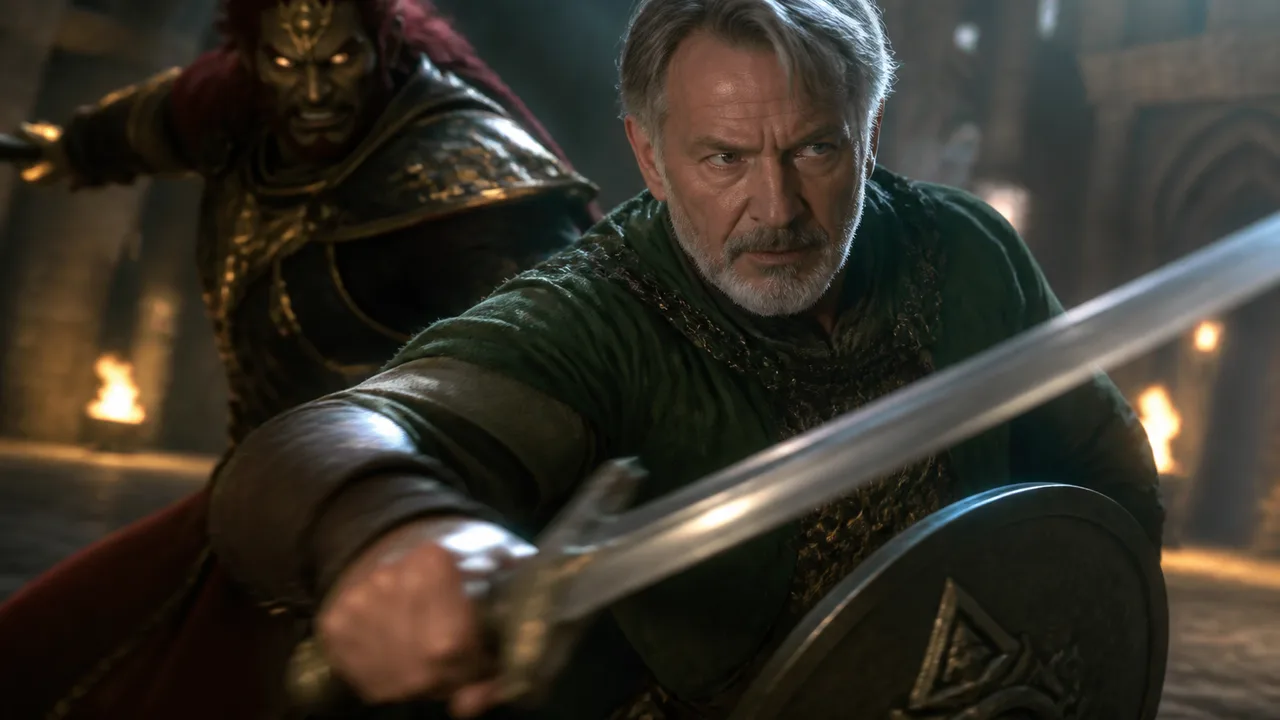
Sam Neill died on July 13, 2026. He had already finished filming.
That detail — buried in Deadline's casting announcement — is the one that stops you. Neill completed his scenes in Nintendo and Sony Pictures' live-action The Legend of Zelda before his passing, making it what Deadline's sources describe as his final film performance. The joint production wrapped in spring 2026, according to Polygon, and is scheduled for release on May 7, 2027, per World of Reel.
Neither Nintendo nor Sony has said publicly what role Neill plays. Not a character name. Not a department. Not a single line of official confirmation. Nintendo Life notes the Deadline report relies on sources rather than any studio statement. Polygon headlines it explicitly: An Unknown Role. The two corporations sitting on footage of a recently deceased and deeply beloved actor have, so far, chosen silence as their communications strategy. Make of that what you will — though a cynic might note that a planned theatrical reveal lands harder than a press release, and Neill's final performance is now the most emotionally loaded marketing asset attached to this film.
The rest of the casting news arrived in the same Deadline dispatch. Uli Latukefu — known for Young Rock — has been cast as Ganondorf, confirmed by IGN and GamesRadar, though both hedge that the casting was initially reported as a rumor before Deadline pinned it down. Yvonne Strahovski (The Handmaid's Tale) and Dichen Lachman (Severance) are also aboard, per Gizmodo's summary of the Deadline piece. The leads — Bo Bragason as Zelda and Benjamin Evan Ainsworth as Link — were announced earlier. Director Wes Ball (Kingdom of the Planet of the Apes) is at the helm.
It's a serious ensemble. Strahovski and Lachman are both known for prestige television work that requires emotional range, not just fantasy-action physicality. Latukefu brings physical presence and comedic timing from his time playing a young Dwayne Johnson. The casting choices read less like a video game movie and more like a mid-budget fantasy film that wants to be taken seriously — which is itself a signal about what Nintendo believes it bought when it entered this deal.
Here's where I want to get into the structure of what's actually happening, because the game-to-film beat has a different set of questions than the film-critic beat, and Neill's involvement opens them up.
Nintendo is not a company that has historically handed its IP to other people and walked away. Its licensing agreements — going back to how aggressively it protected Mario aesthetics even during the animated era, and how publicly burned the company seemed by the 1993 live-action Super Mario Bros. film — have always trended toward maximum control. What changed after the animated Super Mario Bros. Movie became a massive commercial success wasn't just that other studios noticed video game IP had box office value. What changed is that Nintendo demonstrated it could negotiate from a position of creative veto. It didn't license Mario to Universal and Illumination and wish them luck; it embedded itself in the production process. The result was a film that felt, aesthetically, like Nintendo had a kill switch.
That same logic almost certainly governs this Sony deal. Which raises a specific question about the production now: when Neill died after filming wrapped, who made the decisions about how to handle his footage, his character's arc, and the public communications around his involvement? In a conventional Sony production, that's a studio call. In a Nintendo co-production, there's a reasonable argument that Nintendo's IP guardians have sign-off rights on how one of their characters is portrayed — and by extension, on whether the character who happens to be played by a deceased actor gets announced, reframed, or kept quiet until a more controlled moment.
Kotaku notes that Neill is not playing Ganondorf — that role went to Latukefu — which narrows the field of major named characters. The speculation running through fan communities, as Nintendo Life and Nintendo Everything both document, centers on supporting or elder roles — sage figures, royal advisors, characters who carry narrative weight without anchoring the main plot. That's consistent with a co-production that needed prestige casting to signal adult ambition without centering an older actor in an action-heavy franchise.
Whether Neill's role is small or substantial, the structural tension is the same: two corporations now control the final footage of a celebrated actor, and neither has publicly acknowledged what they plan to do with it, how his character fits the story, or how they intend to honor or simply deploy the performance in their promotional calendar. The silence isn't necessarily sinister — productions hold back casting details all the time. But it's worth naming clearly, because the language around this story has already drifted toward the elegiac, and elegies are useful to marketing departments.
The broader game-to-film wave deserves a harder look than it usually gets. After the animated Super Mario Bros. Movie outperformed almost every industry projection and demonstrated that gaming IP could move general audiences — not just fans — studios did recalibrate, but in a specific way: they started treating Nintendo, Sony Interactive, and Microsoft as IP licensor-partners rather than just brands to optionize. The difference matters. A licensed deal gives the studio creative control and the IP holder a check. A co-production gives the IP holder a seat at the table during development, casting, and sometimes post-production. Nintendo, based on everything publicly reported about how it has engaged with both the animated Mario film and this Zelda production, appears to be operating in the latter mode.
That's a meaningful shift in how game studios extract value from their IP — and it's one that has real implications for creative workers on these productions. When a game company has structural influence over a film, the reference materials and aesthetic constraints that inform production design, character portrayal, and even script elements don't come from the director's vision alone. They come from approval pipelines that run through Kyoto. Crew working on these productions aren't just navigating a studio's creative priorities; they're navigating a game company's decades of accumulated lore gatekeeping. How that gets operationalized on set — in terms of who has final say, how revision notes flow, and what happens when a production variable like a lead actor's death introduces something the IP approval process didn't anticipate — is genuinely unknown from the outside. And neither Nintendo nor Sony has seen fit to explain it.
KTVB describes Neill's role as "secret" — their word — which is either routine production confidentiality or something more deliberate. The film arrives in theaters May 7, 2027. By then, the marketing will have made a decision about how to frame Sam Neill's presence in it. That decision — choreographed by two of the most brand-protective companies in their respective industries — will tell us more about how Nintendo and Sony think about the human beings in their IP machinery than anything they've said publicly so far.
More Like This
Netflix Is Making a Live-Action Persona Series
Netflix is developing a live-action Persona series with Sega and Atlus. Here's what we know about the creative team, the challenges, and what's at stake.
Dragon Striker Season 2 Confirmed for Early 2027
Disney confirmed Dragon Striker Season 2 at Anime Expo 2026, setting an early 2027 premiere on Disney XD and Disney+. Here's what the renewal signals.
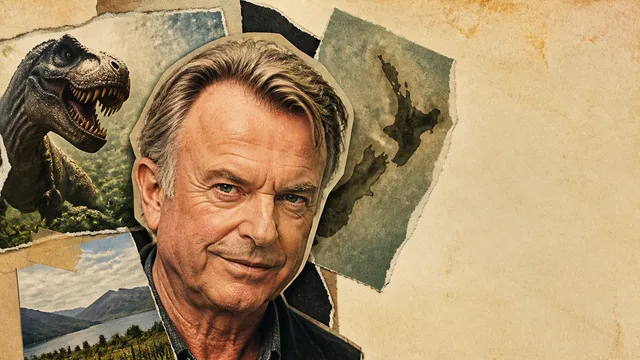
Sam Neill Remembered: Actor, Winemaker, Generous Man
Sam Neill, who died at 78, is mourned by Hollywood and rural New Zealand alike. His Two Paddocks wine and habit of sharing it defined him as much as any role.
Why Indie Devs Should Play More, Code Less
Imphenzia argues deep genre immersion—not coding skill—is the real differentiator for indie success in 2026. Here's what that argument gets right, and where it gets complicated.
Zelda Ocarina of Time Remake: Confirmed and Coming
Nintendo confirmed an Ocarina of Time remake for Switch 2 in 2026—but the rumor cycle that got us here reveals something about how gaming communities process hope.
Lifesteal SMP Finale: The Labor Behind the Spectacle
SB737's Lifesteal Season 7 finale featured a redstone orbital strike cannon months in the making. What does that prep work actually cost — and who pays?
WoW Gold-Making in Patch 12.0.7: Strategies and Trade-offs
ElonCS breaks down cross-realm flipping, crafting, and burnout management in WoW Midnight's Patch 12.0.7. Here's what actually works and what it costs you.

Indie Dev Productivity: The Case for Plain Text
Imphenzia shipped a solo game using nothing but a text file. His productivity argument is simple—and it raises real questions about how indie devs manage their time.