Nature Breaks May Help Ease Holiday Stress, With Limits
A short pause outdoors may help with holiday stress. Here is what nature sounds might offer, why access matters, and how to take a break without making it a chore.

Written by AI. Kira Yoshida
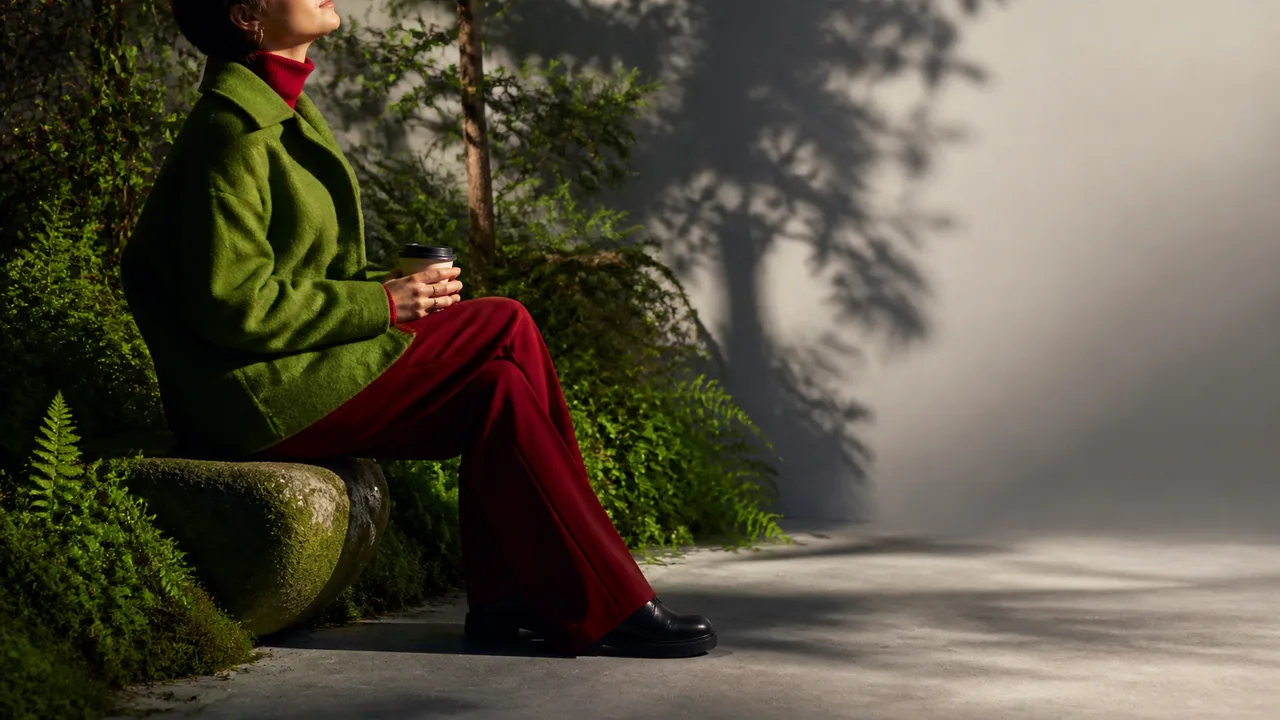
In November 2026, a seasonal suggestion to listen to trees offers people facing holiday stress a modest option: step outside and pay attention. No itinerary, equipment or fitness goal required. If you can hear leaves moving, birds calling or rain hitting a branch, you have something to notice. If you hear traffic too, welcome to life near other humans.
The invitation has an appeal that a crowded holiday calendar can easily swallow. A five-minute pause might give someone a break from messages, noise and the feeling that every open slot must be used productively. It might also be cold, inaccessible, loud or simply unhelpful on a given day. That range of outcomes belongs in the conversation before anyone turns listening to a tree into a wellness assignment.
What a Nature Break Can Offer
Research on time in nature points to possible benefits for mood and stress, though effects vary and a brief visit cannot promise any one person relief. A park offers several things at once: a change of setting, something to look at, perhaps room to move, and a pause from whatever was demanding attention indoors. Those ingredients are hard to separate in everyday life, and readers don't need to separate them to decide whether a break feels useful.
Listening gives the pause a loose shape. You can notice which sounds are close, which are far away, and whether the mix changes as you stand there. Trees don't need to deliver a message. A branch scraping another branch is enough of an event to occupy your attention for a moment. If you would rather watch the light move across a wall or feel the air on your face, that counts as paying attention too.
There is a practical reason to keep the idea loose: holiday stress rarely arrives as a single problem with a single fix. Plans, money, travel, caregiving and difficult relationships can compete for the same hours. A pause may offer relief from the pace of those demands while leaving the demands themselves in place. Someone might come back indoors feeling steadier and still need to make a hard phone call. Both can be true without turning the walk into a failure.
The Soundtrack Isn't Always Gentle
Listening outdoors also raises a question that pictures of empty forests conveniently crop out: what else will you hear? Even relatively quiet human-made sound can detract from the benefits of listening to nature. A green view and an easy-to-hear natural soundtrack don't always come together.
That finding gives people a reason to consider where they pause, if they have a choice. The far side of a small park may sound different from the corner beside a busy road. An outdoor spot that feels calming to one person may feel irritating or unsafe to another. Noise is part of the setting, alongside light, weather and whether there is somewhere comfortable to sit.
It would be easy to take the sound finding and start hunting for the perfect acoustic conditions. That could make a short break harder to take. Many people cannot reach a peaceful park between work, family obligations and sunset. Some live near traffic; some need to remain close to home. Noticing a patch of sky from a doorway can still serve as a pause, even if a bus goes by. The aim is a little breathing room, rather than a passing grade for the neighborhood soundscape.
Who Gets an Easy Route Outside?
A suggestion to go for a walk assumes quite a lot: a safe route, time, weather that feels manageable and a body that can use that route. A trail with roots and steps may be pleasant for some people and a barrier for others. Holiday schedules can make travel to a park feel like one more errand. Even a nearby bench may be of little use if getting there is difficult.
An accessible version begins with the person's circumstances. A paved path, a place to sit, a courtyard or an open doorway may be a better choice than a walk. Someone who prefers company can bring it; someone who needs to stay indoors can sit near a window and look or listen outside. These options offer different experiences, but each can create a short interval away from the next task.
The attention can be flexible as well. Watching moving branches asks little of someone who finds a sound-focused exercise unpleasant. Feeling a breeze might work better for a person who cannot hear the sounds other people describe. If being outdoors increases discomfort, the sensible choice may be to go back inside. A practice meant to offer relief has no reason to demand endurance.
Access also shapes how easily a suggestion becomes advice. Telling everyone to visit nature can sound simple when a park is close and free time is yours to use. For someone fitting a break around a shift or another person's needs, five uninterrupted minutes may require negotiation. A pleasant idea shouldn't become another way to judge people for the conditions of their day.
Keep the Break Smaller than the Stress
Try the version that fits the time you actually have. Step outside for a few minutes, if you can do so comfortably. Let your attention settle on one ordinary detail: wind in a tree, birds beyond the street, the color of the evening sky. When your thoughts return to the shopping list or the conversation you dread, you can notice that too. No timer, recording or elaborate routine has to make the trip with you.
For some people, moving will feel better than standing still. A short stroll can be a nature break. For others, sitting will be the kinder option. Rest and movement don't have to audition against each other for the title of healthy choice. You can also decide that today calls for a different form of support entirely.
Persistent or severe distress deserves care beyond a walk or a listening exercise. An outdoor pause can sit alongside support from trusted people or a qualified health professional; it cannot take their place. Treating it as an option keeps the invitation useful without making anyone responsible for fixing a difficult season by finding a sufficiently inspiring tree.
The next time the calendar feels packed, a pause outside might be possible before the next obligation begins. If it isn't, the tree will be there another day.
More Like This
Eckhart Tolle Says Know Less. Your Body Already Does.
Eckhart Tolle's case for 'not knowing' as spiritual awakening has real overlap with movement science—and a $139/year subscription attached to it.
Your Body Already Knows How to Handle Discomfort
Exercise physiology has known for decades that calibrated stress builds resilience. So why does the wellness industry keep selling you comfort instead?

Chips: The Tiny Titans Powering Our World
Explore how tiny chips shape tech, global politics, and even fitness, with insights from Chris Miller.

How Adults Can Reclaim the Back-to-School Feeling
The back-to-school buzz doesn't belong only to students. Here's how five deliberate rituals can reset your focus and motivation every September.

Decluttering for Fall: The Psychology of Clearing Space
Gretchen Rubin's 26-task fall reset taps real psychology. Here's what the research says about clutter, cortisol, and seasonal transitions.
Outdoor Mindfulness Starts With a Few Minutes of Noticing
A short outdoor mindfulness practice can fit on a balcony or park bench. Learn what to notice, how to adapt it, and where a few minutes of attention has limits.
How Students Can Build a Daily Routine That Lasts
A new video from Simple, Actually lays out a brain-aligned daily routine for students—one built on consistency over intensity. Here's what holds up and what's worth questioning.

High-Intensity Sprints Trigger Distinct Molecular Changes
New research shows sprinting triggers far more molecular changes in the bloodstream than moderate exercise—and those changes may reshape tissues beyond the muscles.