Napping and Longevity: What 19 Years of Data Can Show
A 19-year data report raises questions about naps and longevity. See what observational research can show, what remains unknown, and when sleepiness needs care.

Written by AI. Vanessa Torres
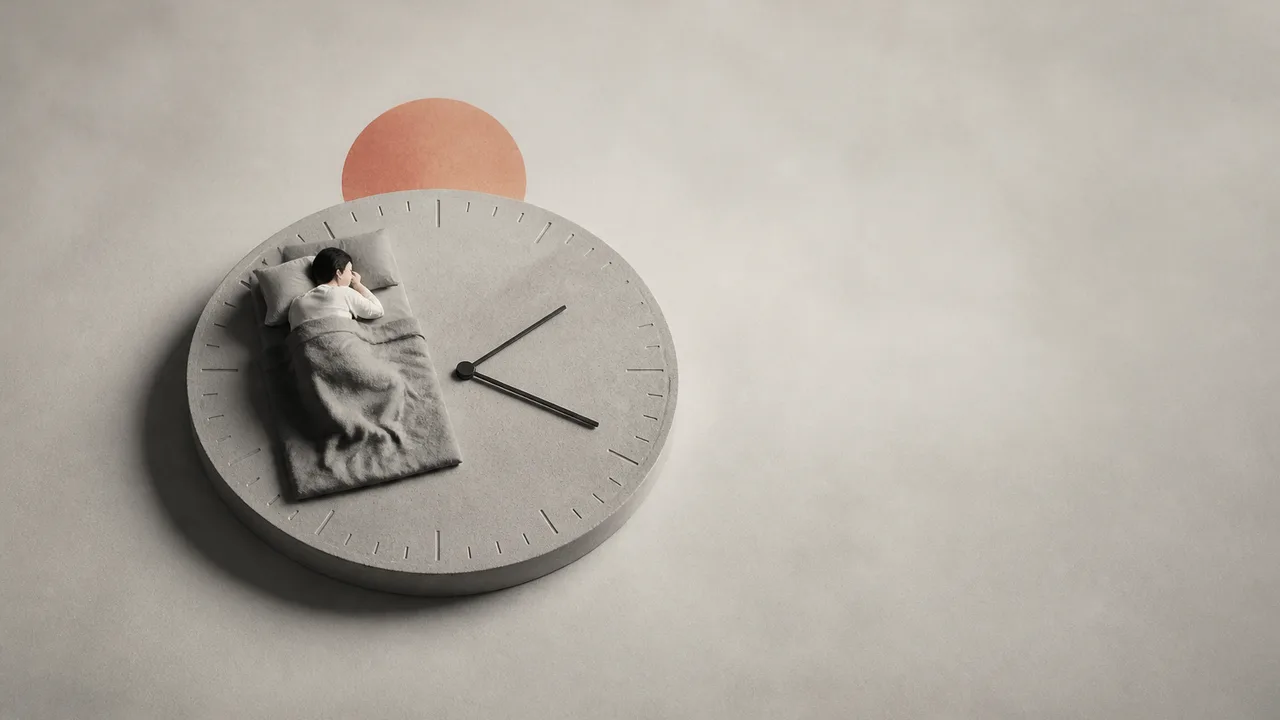
A report drawing on 19 years of data raises a question about daytime naps and longevity. It also invites a very human response: if a nap might help me live longer, where do I put it on my calendar?
Hold off on the calendar edit. The information available here does not identify the study population, describe its design or give a numerical result. It cannot tell us whether people who napped lived longer, whether some nap patterns were associated with higher mortality, or how large any association was. The 19-year span makes the question interesting; it does not fill in those missing answers.
That leaves two useful things to do. One is to understand what a long observational record can reveal. The other is to resist treating everyone who sleeps during the day as though they are doing the same thing.
What 19 Years Can and Cannot Tell Us
A long stretch of data gives researchers a chance to examine sleep habits alongside outcomes that unfold over time. For a question involving mortality, duration has obvious appeal. A short snapshot could miss much of what happens after researchers first ask about naps.
But the length of a record answers only one question: how far the available observations extend. It does not tell us how researchers measured naps. Did participants report a usual habit once, or answer again as their habits changed? Did the analysis distinguish a brief, planned rest from hours of unintended daytime sleep? Did it account for participants' health when the observations began? We cannot answer those questions from the information supplied.
Even a well-run observational study faces a basic limit. Researchers can compare what happened among people with different napping patterns, but they cannot assign decades of ordinary life at random and hold everything else steady. Age, health status and nighttime sleep can shape both daytime sleep and later outcomes. An association could reflect some combination of those factors rather than an effect of the nap itself.
Consider someone who starts napping more often after nighttime sleep deteriorates. The new nap habit and a later health outcome might appear together in a dataset. It would be a mistake to conclude from that pairing alone that the nap produced the outcome. The daytime sleep could be a response to an existing problem. That is a possibility to investigate, not a claim about what happened in this study.
The reverse caution applies too. Confounding does not prove naps have no effect. It means the evidence described here cannot isolate one. A finding can deserve further investigation without becoming an instruction to change your routine.
The Nap Category Does a Lot of Work
“Do you nap?” sounds like a clean question until you try to answer it for other people. One person chooses a short rest after lunch. Another keeps falling asleep despite trying to stay awake. A third sleeps during the day because their work hours leave nighttime sleep out of reach. Calling all three people “nappers” may make a survey easier to score, but it can hide the circumstances that give each nap a different meaning.
Frequency matters as a question, too. So do duration and timing. If a study groups occasional planned naps with frequent, prolonged sleep, its headline result may say little about the nap a reader is considering taking tomorrow. If it separates them, we need to see those results before drawing a conclusion about any one pattern. The available account does not say how this analysis handled those distinctions.
This is where a workplace reader might feel the research land awkwardly. “Take a nap” can sound like effortless wellness advice when someone has a private room, control over their schedule and no one tracking their breaks. For someone covering a shift or responding to customers, it may sound like advice from a person who has never looked at the rota. Those constraints do not decide the medical question. They do decide whether a proposed habit is feasible, and who would be asked to absorb the disruption.
The work context can also change what a daytime nap represents. A person choosing to rest during a flexible afternoon and a person struggling to stay awake after poor nighttime sleep have different questions to bring to a clinician. A longevity headline cannot sort those situations for them.
Questions to Ask Before Changing a Habit
If the full study becomes available, start with the result rather than its most appealing interpretation. Which outcome did researchers measure, and what did they find for each napping pattern? Look for the size of any association, not just whether the authors found one. A headline can leave out both the direction and the scale of a result; the information supplied for this story leaves out both.
Then look at who took part. Age and baseline health could affect how often participants slept during the day and what happened to them later. A result from one population might offer a useful question for another, but it cannot automatically answer it. Check whether researchers assessed health conditions, medication use and nighttime sleep, and whether those measures were taken once or updated over time.
Finally, check the study's own limits. Did the researchers rely on people's recollections of naps? Could a change in health have preceded a change in sleep? Did the authors describe what their analysis could not rule out? Adjustment for measured factors can strengthen an observational analysis, but it cannot account for information researchers never collected.
None of these questions requires a reader to dismiss the finding. They are how you decide what kind of finding you have. An association may help researchers identify a health signal, generate a testable hypothesis or examine whether different nap patterns carry different implications. Each use has value. None gives a stranger enough information to prescribe a nap for your lifespan.
What to Do with Your Own Sleep
For now, the practical guidance is less exciting than a longevity hack: protect adequate nighttime sleep where you can. If daytime sleepiness is unusual, persistent or interfering with daily life, seek clinical guidance rather than trying to interpret it through a mortality headline. Poor nighttime sleep, medication and illness are among the possible circumstances worth discussing; this report cannot diagnose which, if any, applies to you.
If you enjoy an occasional nap, the available information does not give a reason to turn it into a source of anxiety. It also does not support starting a nap schedule as a life-extension plan. Those are different decisions, and the evidence described here is too thin to make either one for you.
Nineteen years of data may eventually help answer a useful question about daytime sleep. Before putting a nap on the calendar for longevity, we need to know who napped, how they napped and what actually happened.
More Like This

Your Phone Is Training You. So Is Your Job.
Monami Banerjee's TEDx talk on tech and the subconscious mind hits differently when you're a professional whose job requires being permanently interruptible.
How to Find Lost Items Using Smarter Search Methods
Visual search experts, detectives, and cognitive science all point the same direction: finding lost items is about method, not effort. Here's what actually works.
Procrastination Is a Survival Mechanism, Not a Flaw
Researcher Itamar Shatz argues procrastination has evolutionary roots. Here's what the science says and which strategies actually help.
Microplastics: The Unseen Invaders in Our Lives
Explore the hidden world of microplastics in our daily lives and what you can do to minimize exposure.

Charisma Is a Skill, Not a Personality Trait
Charlie from Charisma on Command breaks down 7 principles for building charisma through practice—not personality. Here's what holds up, and what's worth questioning.
How to Sound Like Yourself on Camera
Nick Nimmin's advice on natural on-camera presence cuts against the creator economy's obsession with performance. Here's what it actually gets right.