Media Molecule Reportedly Eyes a 2027 Social Sim
A reported 2027 social sim from Media Molecule could unite neighborhood life with creator tools, but platforms, preservation and scope remain unclear.

Written by AI. Derek "D-Block" Washington
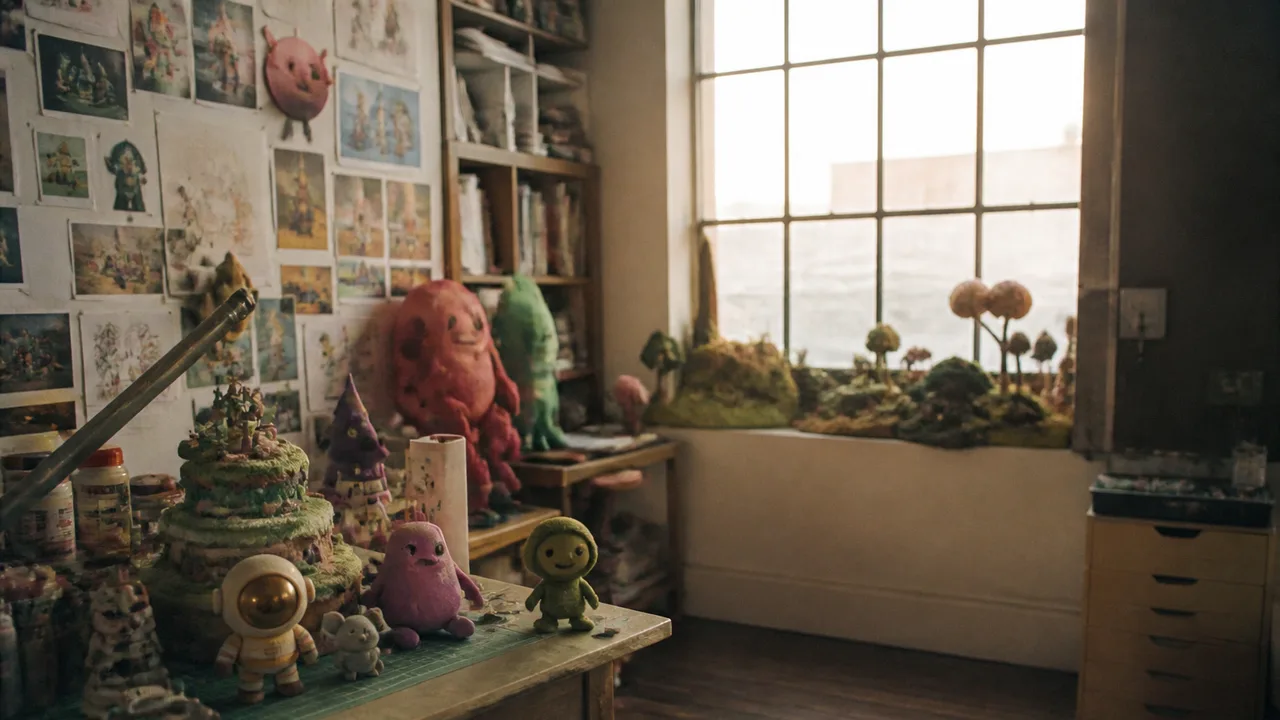
Media Molecule's creator community has spent years proving that a six-legged chair can be furniture, slapstick and a logic bug with upholstery.
So a reported social simulation game from this studio hits different from another pitch about cute neighbors and customizable curtains. LittleBigPlanet and Dreams trained players to open the hood, connect three wires, forget what one of them does, and somehow produce a working pinball machine. A neighborhood game built around that creative lineage could give those makers a new home.
According to IGN, Media Molecule is developing an Animal Crossing-like social sim targeting 2027. The reported project centers on neighborhood life, customization and social interaction.
Push Square describes the game as unlike the studio's previous work and expected next year. Game Rant has also reported indications that the studio is working on an open-world project.
Those descriptions sketch an outline. Sony and Media Molecule have announced no title, platforms, business model or release date. The reports also leave open whether “open world” and “social simulation” describe the same project, complementary parts of one design, or incomplete information from development.
Right now, we have a shape under a blanket. It might be a console. It might be three Sackboys operating a trench coat.
Building in Media Molecule's Toy Boxes
LittleBigPlanet made construction feel like raiding a craft cupboard while somebody fired the laws of physics out of a T-shirt cannon.
You opened the Popit, slapped down cardboard or sponge, attached pistons and switches, then watched your invention wobble under its own ambition. Objects had texture and weight. Motors strained. Platforms tilted. Sackboy grabbed the wrong edge and turned a respectable machine into community theater.
That mess was productive. A platforming level could become a race, calculator, survival challenge or homemade cutscene. The distinction between player and designer kept dissolving because the game put creation beside play instead of hiding it in external software.
Dreams pushed the invitation further. Its imp cursor could sculpt scenery, paint animation, arrange music and wire logic through gadgets. Thermometer limits forced creators to budget complexity. Timelines, keyframes, variables and trigger zones offered enough flexibility to make shooters, short films, albums, horror experiments and tiny museums.
Learning those systems could resemble assembling flat-pack furniture after the instruction booklet achieved consciousness. Community tutorials, remixable assets and shared discoveries softened the curve. One creator built a door. Another studied the hinges. A third attached teeth. Collaboration happened through the tools and through the culture surrounding them.
That history changes expectations for a social sim. Players familiar with Media Molecule will ask whether customization means selecting wallpaper from a menu or constructing the wall, painting the wallpaper and programming it to scream whenever rent is due.
What an Animal Crossing Comparison Tells Us
The Animal Crossing label communicates pace and social structure faster than a 40-slide pitch deck. It suggests recurring neighbors, personal spaces, collecting, routines and a calendar that rewards checking in over time.
The comparison supplies no design document, though. Social simulation now covers several different appetites. The Sims emphasizes household management and systemic chaos. Animal Crossing builds attachment through routine and village personality. Palia mixes communal spaces with progression and crafting. Disney Dreamlight Valley wraps quests and collection around familiar characters.
Media Molecule could borrow from any of those lanes. Neighborhood life also fits its old obsession with shared play. A street can hold homes, shops, gardens, performance spaces and whatever cursed gazebo the community invents at 2 a.m.
The strongest case for the reported direction comes from that overlap. Social sims need reasons for players to return. Creator games need audiences for what players make. Put them together and a customized café, obstacle course or music venue could function as both personal expression and social activity.
The friction arrives immediately. Powerful creation tools increase moderation demands. Shared assets raise questions about ownership, copying and offensive material. Complex building systems can intimidate players who only wanted to plant turnips and wave at a duck.
Media Molecule would have to decide how deep the toolbox goes and where it appears. A six-legged chair is funny until every doorway in town contains one and the frame rate starts bargaining for its life.
The Server Question Follows Every Creator Game
Creator communities remember shutdowns because servers hold more than matchmaking records. They hold years of unpaid design work, friendships, tutorials and strange little masterpieces that may exist nowhere else.
LittleBigPlanet's online history provides the painful example. The PlayStation 3 and Vita servers closed permanently in 2021 after prolonged disruption. LittleBigPlanet 3's PlayStation 4 servers were taken offline in 2024, cutting access to online services and the enormous web of community levels connected to them.
When those doors closed, players lost the easy routes into creations that had defined the series. A level built for a birthday, school project or niche competition could disappear from public reach alongside elaborate games that had taken months to assemble. Local files preserved pieces for some users. They could not preserve the whole social network around discovery, feedback and remixing.
Dreams presents a different version of the same anxiety. Media Molecule ended live support for Dreams in 2023 while keeping the service available. The creation tools still work, but the end of active development changed the community's horizon. Makers can continue building while knowing major feature growth has stopped.
A new social sim would inherit that memory on day one. Players will want to know whether creations can be exported, preserved locally or transferred if official support ends. Offline functionality matters. So do moderation policies, storage limits and the ownership terms attached to user-made work.
These questions can sound like vegetables beside the dessert tray. They determine whether a creator platform becomes an archive or a rental unit with adorable lighting.
Sony Still Has Several Decisions to Explain
Platform plans could define the size and character of the community. A PlayStation 5 release would fit Media Molecule's position as a Sony-owned studio. PC support could broaden access to creators comfortable with mouse controls, asset pipelines and streaming communities. Cross-platform play would expand the neighborhood while multiplying moderation and technical demands.
The business model carries equal force. A premium release gives players a clear transaction. Seasonal passes, cosmetic stores or paid asset packs could fund continuing support, while also dividing the building vocabulary according to who paid for which doorframe. The reports provide no evidence for any of those models, so monetization predictions remain guesswork.
Then comes scope. “Open world” can describe seamless geography, broad player freedom or a marketing department discovering a large adjective. A connected town built for dozens of players requires different infrastructure from a private village visited by friends. Persistent construction creates headaches around storage, griefing and performance. Every flower pot becomes a database problem wearing a smile.
The 2027 target also deserves a light pencil rather than permanent marker. Game development schedules move, and neither Sony nor Media Molecule has publicly committed to that window. The studio could reveal a smaller social game with curated customization, a full creator platform built around neighborhood routines, or something that makes the current comparisons look hilariously premature.
Media Molecule's identity gives the rumor its pull and its burden. The studio has spent its history asking players to touch the machinery. Any social sim it makes will face questions about who can build, who can share, who can preserve and who controls the neighborhood after launch.
When the reveal arrives, my eyes are going straight past the cute villagers and seasonal fruit. Show me the toolbox. Show me the server plan. Then let somebody loose on that six-legged chair. 🪑
More Like This
Temple Maker 64 Lets Players Build N64 Zelda Dungeons
Ki3 Games is bringing a solo-developed Zelda-style dungeon creator to Steam. Here's what Temple Maker 64 is, who made it, and why it matters.
WoW Patch 12.1 Gearing Changes: Raiders Win, With Caveats
WoW patch 12.1 rebalances loot between raiders and Mythic+ players. Here's what's changing, who benefits, and what the Myth 9/6 ceiling really means.

Esports World Cup Paris: Built in 8 Weeks From Scratch
The Esports World Cup landed in Paris after an 8-week scramble out of Riyadh. Here's what the build actually looked like — and the questions it leaves open.

Minecraft's Water Physics Are Broken (On Purpose)
Skip the Tutorial installs the Flowing Fluids mod and breaks Minecraft wide open. Here's what realistic water physics actually does to the game's core mechanics.

London Games Festival 2027 Gets a New Central Venue
London Games Festival moves to the Business Design Centre for April 2027. Here's what the venue shift means for fans, devs, and the festival's global ambitions.

IKEA's Skyrim Shelf Mod: Matt Berry's Kallax, Explained
IKEA released an official Skyrim mod starring a talking Kallax shelf voiced by Matt Berry. What's in it, why it works, and what it says about live old games.
The Cherno Is Building a 3D Game Engine With AI
The Cherno announced a new AI-assisted 3D game engine series. Here's what it means for gamedev education and the junior dev debate.
How to Pick the Right Art Style for Your Indie Game
Imphenzia's framework for choosing an indie game art style covers 15+ options and four must-pass tests. Here's what it gets right — and what it leaves open.