London Games Festival 2027 Gets a New Central Venue
London Games Festival moves to the Business Design Centre for April 2027. Here's what the venue shift means for fans, devs, and the festival's global ambitions.

Written by AI. Derek "D-Block" Washington
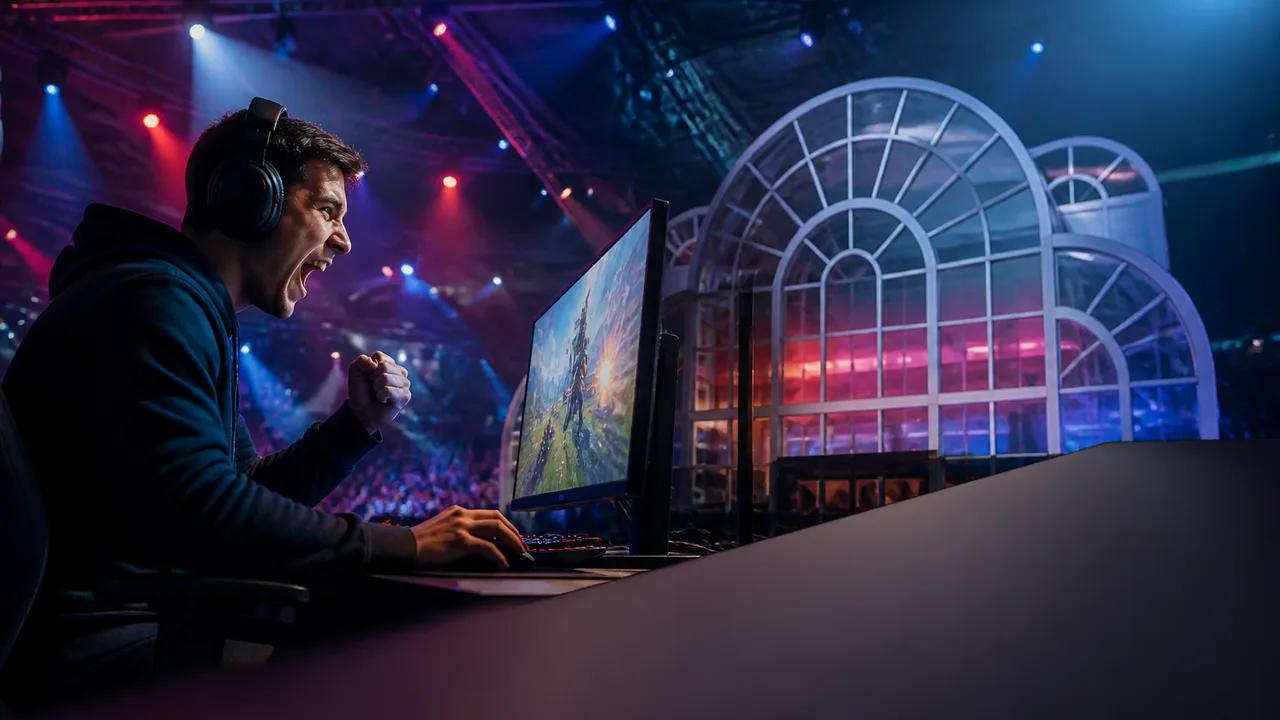
There's a specific kind of exhaustion that comes from attending a gaming festival that's secretly a trade conference wearing a costume. You know the one — overlit halls, PR handlers blocking camera angles, the public-facing floor feeling like an afterthought bolted onto a B2B schedule. I've watched that dynamic play out at enough events to recognize it immediately. So when I see London Games Festival making a venue move that's explicitly framed around accessibility, I don't just nod and file it under "industry news." I want to know whether they're actually fixing the thing, or just redressing it.
Here's what we actually know: Games London has confirmed that the London Games Festival will relocate to the Business Design Centre in Islington for its 2027 edition, according to GamesIndustry.biz. Per Gamereactor, the full festival runs April 12–19, with the main programming concentrated April 15–17 at the new venue. And according to MCV/DEVELOP, the move isn't just a change of address — it comes with an explicit expansion of core events, including the public showcase New Game Plus and the industry-facing Games Finance Market, among others.
That's meaningful detail, and it's where the real story starts.
Who This Move Is Actually For
The honest answer: both audiences, but in different proportions, and organizers know it.
New Game Plus is the part of LGF that speaks directly to the people I write for — the players who want to get hands-on with games that haven't shipped yet, meet the devs who made something that hit them, and feel like participants in gaming culture rather than just consumers of it. It's the part of the festival that doesn't require a badge, a business card, or a pitch deck to matter. Moving that experience to a more central London location genuinely lowers the barrier to showing up. Not just for Londoners, but for the international fans and smaller indie devs who are visiting and don't want to spend half their day navigating outer zones just to reach the main event.
Games Finance Market, meanwhile, is unambiguously a professional event — matchmaking between studios, publishers, and investors. That's not a criticism. The industry runs on money, and events that facilitate funding conversations for independent studios are doing real work. But let's be honest about what it is. A "central venue" benefits the suits booking last-minute Eurostar connections at least as much as it benefits the kid who just wants to play something made by a three-person team from Sheffield.
The question that hangs over announcements like this one is always: which audience gets the bigger room?
A Festival With Eleven Years Behind It
According to Wikipedia's entry on the London Games Festival, the event has roots that put 2027 squarely in its eleventh year — which is not nothing. Getting to year eleven means you've outlasted the hype cycle, survived the post-COVID restructuring that killed or diminished a lot of live events, and built enough institutional memory that moving venues isn't a crisis, it's a strategic choice.
That institutional stability has a concrete source. The festival is backed by the Mayor of London and delivered by Games London, an initiative from Film London — the capital's screen industries agency, as noted on the official festival site. That backing gives LGF a kind of staying power that purely commercial events don't have. It also means the festival has a mandate beyond profit: it's meant to serve London's creative economy, which includes independent studios and emerging talent, not just the publishers with display-floor budgets. Whether the 2027 programme reflects that mandate is something we'll only know when the full lineup drops.
The Bigger Picture: Where Gaming Events Are Going
LGF isn't making this move in a vacuum. The broader trend in major gaming events has been toward urban centralization — making events easier to reach for the international visitors who increasingly matter to the industry's global calendar.
Gamescom is the most prominent example: InGameNews reported on how Gamescom has expanded aggressively, including into new geographic markets, as part of a strategy to deepen its global footprint. The logic across all these events is similar — accessibility drives attendance, attendance drives relevance, and relevance drives the kind of media and industry attention that justifies the whole enterprise.
LGF, historically, has operated at a scale that puts it in a different weight class than Gamescom or GDC. But it's not trying to be those things. London is one of the world's most significant game development cities — studios of every size, a dense talent ecosystem, a player community that's deeply embedded in global gaming culture. A well-run London-focused festival with genuine community reach is worth more than a bloated multinational expo that treats attendees like foot traffic metrics.
The Business Design Centre move signals that LGF understands this. A central venue in a major city is a commitment to being reachable — not just for the investment firms flying in from Cologne or San Francisco, but for the solo dev who took the day off work to pitch their game, and the teenager who stayed up watching the New Game Plus announcement stream at whatever ungodly hour it dropped in their timezone.
The Dual-Audience Problem Doesn't Disappear — It Just Moves With You
Here's the tension that no venue change resolves: gaming festivals that try to serve both professional development pipelines and genuine fan culture are always navigating a conflict of interest. Not a malicious one — just a structural one. B2B programming is higher-margin, more schedulable, and easier to justify to sponsors. Public programming is messier, louder, harder to monetize, and absolutely essential if you actually believe games are culture.
The best festivals — the ones that feel alive — are the ones where the trade show infrastructure exists to fund the cultural event, not the other way around. The worst ones are trade shows cosplaying as festivals, where the public floor is a marketing activation and the real conversations happen in rooms the public never sees.
LGF has, in past editions, managed to walk that line more credibly than most. The Business Design Centre is a flexible venue that can hold both modes. Whether the expanded programme in 2027 actually expands access — or just expands the conference footprint with a slightly bigger Games Finance Market — is the question worth watching.
When the full programme drops, that's when the real test begins. Not whether the venue is central. Whether the people who care most about games — not as investments, but as the thing they build their lives and friendships and fandoms around — can actually see themselves in it.
More Like This

Pokémon Worlds 2026 Ticket Lottery Frustrates Fans
The Pokémon Worlds 2026 ticket lottery has left fans confused and locked out. Here's what the system actually looks like from the ground level.
GNOME and KDE Together? Linux App Summit Explained
GNOME's Sri and KDE e.V. President Aleix Pol talk Linux App Summit, Flatpak's future, and what it'll actually take to get mainstream apps on Linux.
Peter Molyneux's Final Game: Masters of Albion
Peter Molyneux calls Masters of Albion his last game. The Fable creator reflects on legacy, AI in gaming, and why the UK industry needs more respect.
How Technology Is Reshaping the Live Sports Venue
From AI-driven personalization to AR glasses and sensory rooms, sports venues are in the middle of a tech arms race—and the fan is both the beneficiary and the product.

Gaming Media Veterans Bet on Old-School Web Revival
Two games media veterans are launching a classic multi-format gaming website in 2026. Can lean, reader-supported journalism survive where ad-driven outlets collapsed?
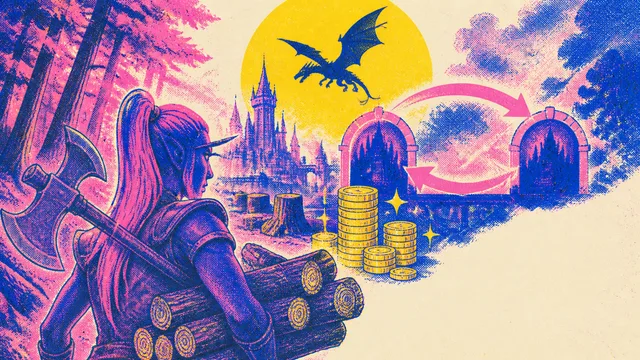
WoW Gold Farming Strategies From ElonCS's Midnight Stream
ElonCS breaks down lumber farming, cross-realm flipping, and abundance runs in a recent WoW Midnight stream. Here's what actually holds up under scrutiny.
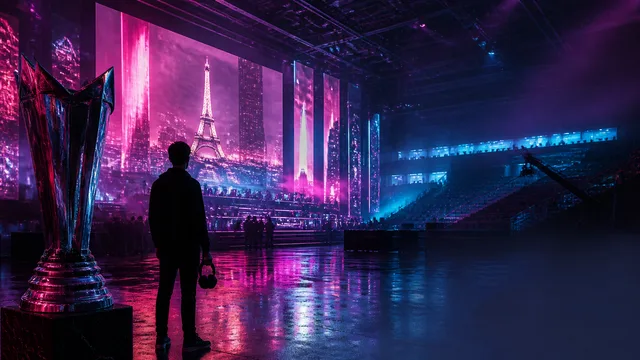
Esports World Cup Paris: Built in 8 Weeks From Scratch
The Esports World Cup landed in Paris after an 8-week scramble out of Riyadh. Here's what the build actually looked like — and the questions it leaves open.
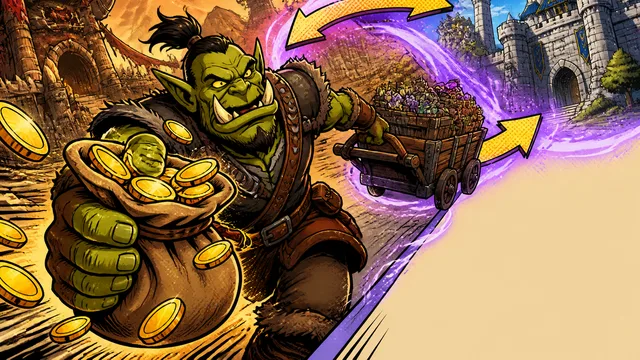
Cross-Realm Flipping in Midnight WoW: A Beginner's Guide
Boophie's cross-realm flipping guide for Midnight WoW breaks down TSM, Flipping Power, and Flip Q — but the real question is what happens when everyone's running the same stack.