Inherit the Winds Adds Cast, Visual and Two Prose Works
Inherit the Winds adds four cast members, an autumn visual and two prose works before its January 2027 TV premiere. Here is how the additions fit together.

Written by AI. Priyanka Desai
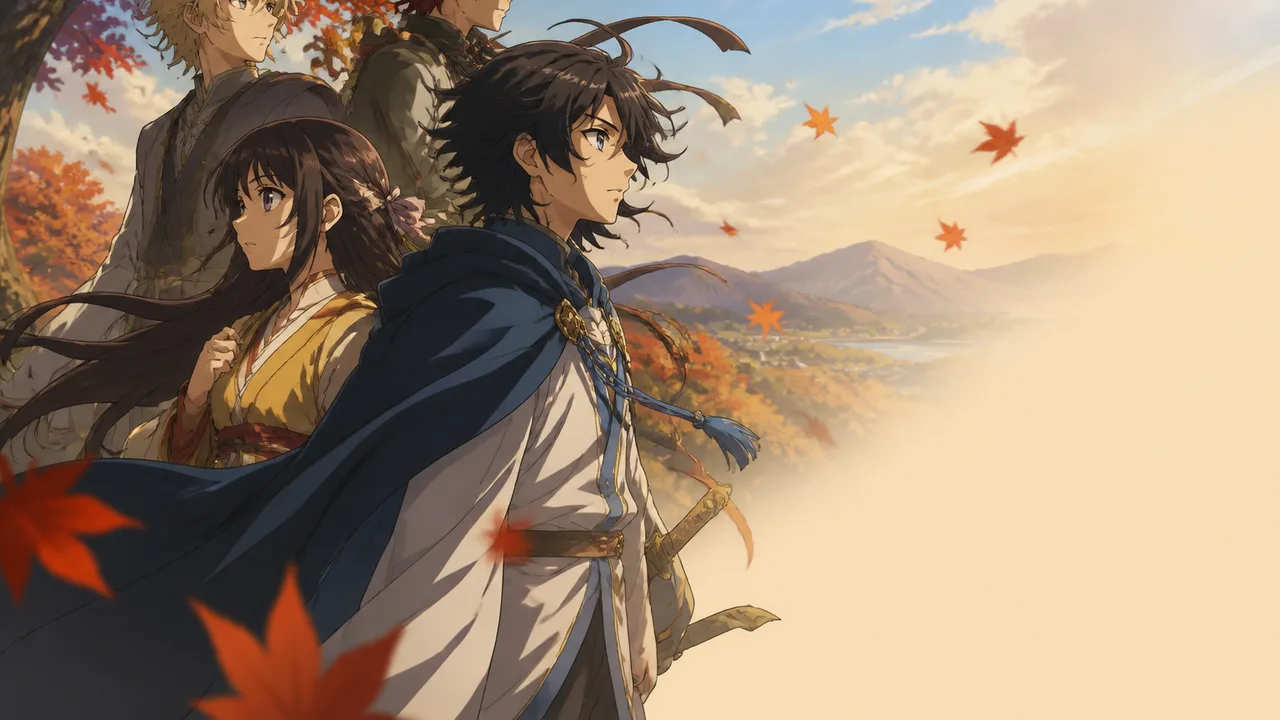
Inherit the Winds has added four cast members, a new visual, a short story and a Japanese-language novel ahead of its January 2027 television premiere. Count those as four separate announcements if you like. For a reader trying to understand the project, they form two useful columns: who will populate the anime, and how far its story might extend beyond it.
The cast, visual and prose additions give the original anime, also called Kaze wo Tsugumono, a broader public outline. The cast and image concern what audiences can expect to encounter on screen. The written works introduce another route into the setting. Their relationship to the televised story will determine whether they function as optional depth, a parallel perspective or something viewers feel they need to read.
That is the central question behind an announcement that could otherwise look like a routine stack of promotional items. A new face on a poster tells an audience to expect a character. A novel asks a different question: how much of this world can live outside an episode?
Four More Performers, One Wider Ensemble
The four additional performers include Daisuke Hirakawa and Toshiyuki Toyonaga. The original TV anime is scheduled to premiere in January 2027. That pairing of facts gives the casting news a practical function: it puts more names around a production with a stated broadcast window, rather than presenting a character roster in isolation.
The new autumn visual presents a lineup of Bakumatsu-era fighters. “Bakumatsu” points to the closing years of Japan’s Tokugawa shogunate; the Shinsengumi association places the characters within a recognizable historical frame. Those labels provide context for the ensemble, but they do not tell us how the anime will divide attention among its characters or approach that history.
A group visual performs a neat piece of editorial compression. It can put many characters on the same screen before a series has spent a minute introducing any of them. The trade-off is equally clear: sharing a composition does not tell viewers who drives the story, whose loyalties collide or whose perspective shapes an episode. Four more cast members make the ensemble larger. The eventual narrative still has to make that size legible.
For audiences deciding whether to follow a new original anime, performers can be a more immediate point of recognition than a setting description. Casting also offers a concrete sign that the project’s character list is coming into focus. It cannot substitute for the work of establishing those people on screen. The announcement gives names and a group image; the premiere will have to give the lineup relationships.
What the Prose Works Could Add
A short story and a Japanese-language novel expand the slate in a different direction. Animation controls the timing of a scene: image, voice, music and movement arrive together. Prose can pause inside a character’s thought, follow a smaller incident or give a setting more room without asking an episode to carry it. Those are possibilities of the format, not descriptions of plots for the newly announced works. Their placement in the anime’s chronology and their release dates have not been specified.
There are at least two ways this could work for a viewer. The television series might carry a complete story, with the short story and novel rewarding readers who want to spend longer with its characters. Or a prose work could introduce context that changes how a later scene plays. The first approach makes the extensions easy to pick up at any time; the second places more weight on finding and reading them. Clear labeling of each work’s place in the story would let audiences choose how much to follow.
The formats also imply different commitments. A short story can offer a compact entry point for someone curious about a character after seeing the visual. A novel asks for sustained time and can support a wider arc. Neither length guarantees a greater role in the larger narrative. A short piece could contain a decisive encounter; a long one could simply linger in a corner of the setting. The useful measure is what each text contributes to understanding the anime, and whether that contribution feels like an invitation or a prerequisite.
Language is part of that question. Calling the novel Japanese-language identifies the announced work; it does not, by itself, promise a translation or indicate where readers outside Japan will be able to obtain it. For an international audience, access can determine whether a story extension is a practical path into a fictional world or a title they only hear about. The anime’s central story may prove fully accessible on its own. If it does, readers can approach the prose on its own terms.
An Original Story with Several Entry Points
The project’s original-story credits name Yutaka Narui and Aniplex, with cooperation from Azuki Mashiba. Quruli and hitsujibungaku are set to perform its opening and ending themes, respectively. Together, those credits show more of the production’s shape: a story conceived for this project, music to frame its televised episodes, and written material that can accompany the screen work.
Originality gives the prose question an interesting edge. When a series adapts an existing novel, viewers can usually identify the prose as a source, even if the adaptation changes it. Here, the announced short story and novel sit alongside an original anime. A reader should not have to guess whether the television series adapts those texts, whether they elaborate on it or whether they tell separate stories in the same world. The answer will affect how someone chooses a first entry point.
The music credits offer a useful contrast. Opening and ending songs have an evident position in a TV episode. Their contribution can be distinctive while their place in the viewing experience remains straightforward. Prose has no automatic slot on that timeline. It needs a little more explanation because readers must decide when, and whether, to seek it out.
None of this requires every part of Inherit the Winds to serve the same audience. Someone may come for a cast member, stay for the historical ensemble and never open the novel. Another person may meet the characters through prose before the January broadcast. Both paths can work if the main story gives viewers enough footing and the extensions make their own purpose clear.
For now, the announcement draws a map with two visible landmarks: an expanding group of Bakumatsu-era characters and a pair of prose works beside the anime. January 2027 will show how the series uses its ensemble. The short story and novel will show what the project wants to place beyond the frame.
More Like This
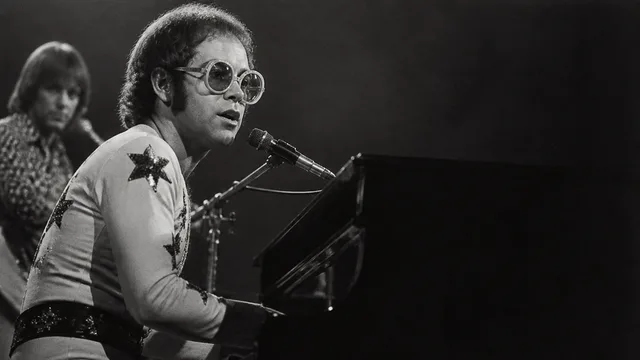
How “Your Song” Became Elton John’s First Big Break
How “Your Song” became Elton John’s first US top 10 hit, introduced his partnership with Bernie Taupin, and turned contingency into lasting pop mythology.

Unpacking Orwell's Critique in 'Animal Farm'
Explore George Orwell's 'Animal Farm' as a critical lens on power dynamics and its relevance today.
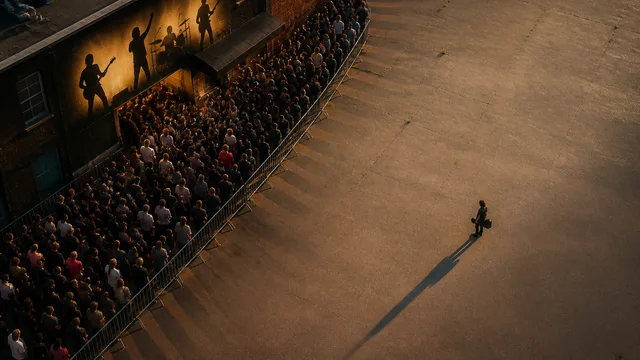
Tribute Acts Are Saving UK Venues — At What Cost?
Tribute acts are keeping UK music venues financially afloat — but as nostalgia fills the calendar, what space remains for original artists?
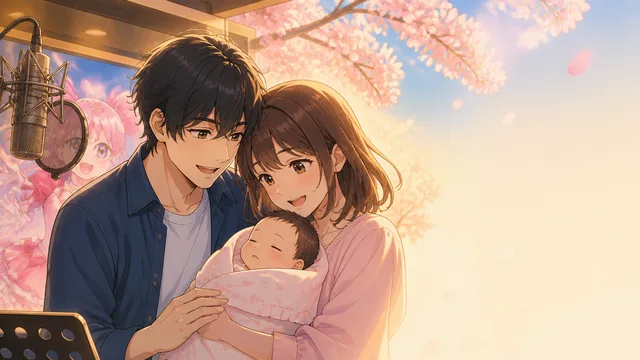
Rina Hidaka and Yūma Uchida Announce Birth of First Child
Voice actors Rina Hidaka and Yūma Uchida welcomed their first child. Here's what the arc of Hidaka's career tells us about what comes next.

LEGO Pricing Trends: What the Data Actually Shows
LEGO sets cost more than ever — but the data tells a more complicated story about piece sizes, adult collectors, and shifting product strategy.

2026 Booker Prize Longlist: What 13 Novels Reveal
The 2026 Booker Prize longlist names 13 novels from 163 submissions, including two past winners and three debuts. Here's what the selection actually signals.