How Sonic's First Movie Bought the Franchise More Time
Takashi Iizuka says Sonic faced cancellation until its 2020 film hit. Its history shows how box office success reshaped Sega's games strategy and future.

Written by AI. Jordan Mercer
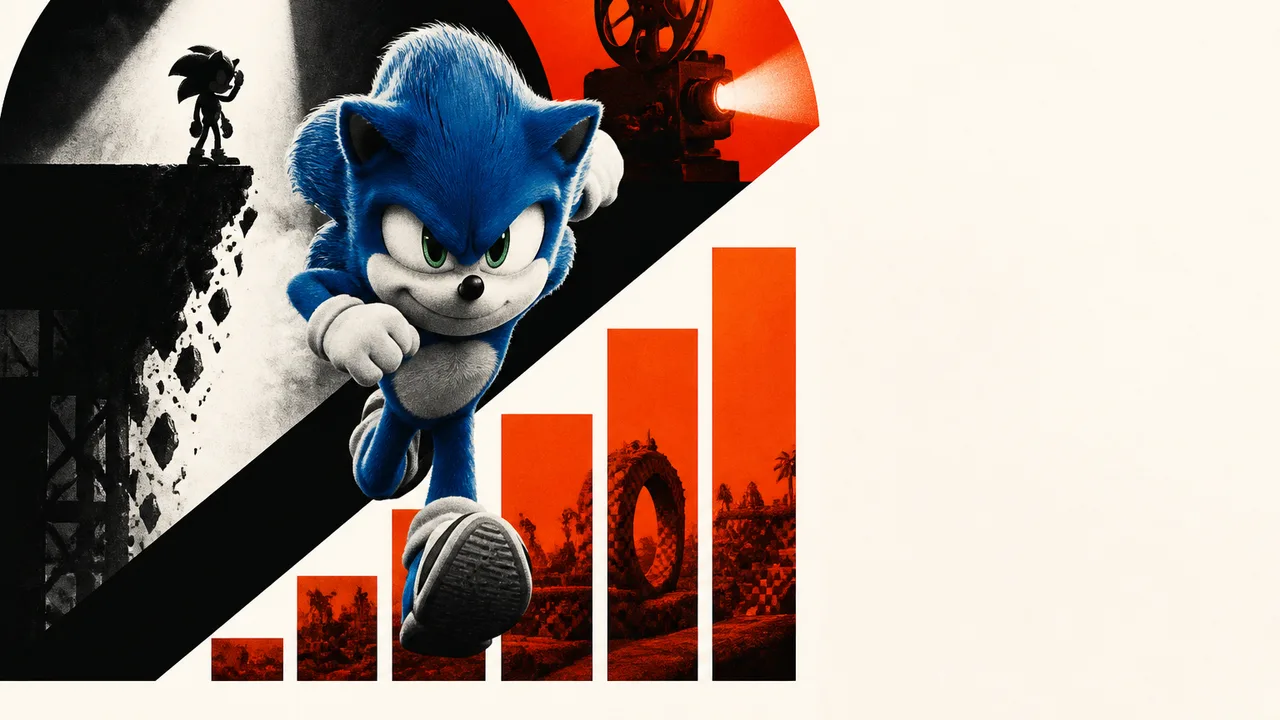
Sonic Team leader Takashi Iizuka says Sega executives once wanted to cancel the entire Sonic franchise.
During a Tokyo Game Show press interview reported by One More Game, Iizuka described being told during the series’ “worst times” that Sega should end it. “I had to fight within the organization to keep the franchise as long as possible,” he said.
Iizuka credits the 2020 live-action movie with changing Sega’s calculation. “The biggest milestone for me was the first movie,” he said. “That had been a great hit and definitely changed the course of this franchise.”
The claim carries weight because Iizuka has worked on Sonic since 1992 and has held major creative roles across the series. It also needs a speed limiter. He supplied no date for the proposed cancellation, named no executives and described no formal decision. The published accounts all trace the revelation to the same interview, so repetition across gaming sites does not provide independent confirmation of Sega’s internal discussions.
What the public record can show is why a hit movie would have changed the conversation. The first film earned $320 million worldwide after Paramount delayed it and redesigned Sonic in response to backlash over his original appearance, IGN reported. For executives evaluating whether an old mascot could still reach beyond his established audience, that box-office result supplied a broader demand signal than one successful game could.
Sonic’s 2010S Problem Had Two Lanes
Sonic entered the movie era with a split record. Sonic Lost World and Sonic Boom: Rise of Lyric were remembered as critical failures, while Sega later removed several poorly received games from digital storefronts. Iizuka had previously said he was tasked with improving game quality to prevent Sega from ending the series, Game Rant reported.
Then 2017 delivered the cleanest possible illustration of Sonic’s identity problem. Sonic Mania won acclaim by rebuilding the speed, routes and momentum-driven platforming of the 16-bit games. Sonic Forces, released that same year, represented the modern 3D line and was panned alongside other recent mainline entries, according to Kotaku’s retrospective.
That contrast complicates any simple story in which better games automatically secured Sonic’s future. Mania showed that a focused Sonic game could work, and Nintendo Life reported that it moved one million units in its first year. Yet Iizuka still identifies the movie as the event that changed the franchise’s course.
The likely explanation, and it remains an inference without Sega’s internal financial analysis, is scale and audience breadth. Mania validated a style of Sonic game among players already receptive to retro platforming. A $320 million family film demonstrated that Sonic could sell tickets to people who might never debate boost mechanics, 2D physics or whether Green Hill Zone needs another comeback tour. The hedgehog escaped the gaming discourse and came back carrying receipts.
This does not make game quality irrelevant. A damaged game line still limits how effectively Sega can convert movie viewers into players. It does suggest that executive patience can depend on the whole character business: games, films, streaming projects, merchandise and the ability to recruit younger fans. One strong release can prove a design works. A theatrical hit can reposition the value of the IP holding that design.
The Rescue Changed What Sega Could Publish
Sega’s post-2020 output looks like a company willing to fund several interpretations of Sonic at once. Since the first film, it has released Sonic Origins and Sonic Superstars for the classic lane, Sonic Frontiers for the modern 3D lane, Sonic X Shadow Generations, and Sonic Racing: CrossWorlds. Iizuka has said Sega wants to continue serving both classic and modern audiences, as Destructoid’s account of the interview explains.
That variety is a practical consequence of renewed confidence. A publisher worried about retiring a franchise has less reason to bankroll remasters, experimental 3D structures, racing spin-offs and platform-specific projects such as the Apple Arcade release Sonic Dream Team. A franchise supported by films and television can tolerate more separate bets, although individual games can still disappoint. CrossWorlds, for example, failed to meet Sega’s sales expectations despite continued support, according to Game Rant.
The screen strategy is accelerating too. A fourth Sonic film is scheduled for March 19, 2027, a Netflix animated series is planned, and Iizuka expects some form of Sonic media almost every year. He continues to describe games as the franchise’s foundation. That creates a productive tension: the games generate characters, worlds and stories, while adaptations can produce the mass-market proof that gives future games room to exist.
Sega appears interested in testing that loop elsewhere. Streets of Rage and Crazy Taxi films are in development. Sonic offers an attractive model for those projects, but it is an awkward template to copy. Sonic entered cinemas with decades of global recognition, a large cast and a silhouette a child can identify at approximately Mach 2. A successful Sonic movie shows that adaptation can revive corporate confidence; it does not show that every dormant Sega property possesses the same audience.
Shadow Already Ran a Smaller Version of This Route
Shadow the Hedgehog provides a useful comparison inside the franchise. Iizuka said Shadow was intended to die at the end of 2001’s Sonic Adventure 2, but his popularity led Sega to revive him in Sonic Heroes. After appearing in the third live-action movie, Shadow’s profile rose again, and Sonic X Shadow Generations gave him a new campaign alongside the remastered 2011 game.
Both cases show Sega reversing a planned ending after audiences demonstrated demand. The scale differs. Shadow’s return concerned one character and followed fan enthusiasm within an existing series. The 2020 movie reached general moviegoers and, in Iizuka’s telling, altered the future of the entire franchise. Shadow was an early lesson in listening to the crowd; the movie turned that lesson into a corporate strategy with popcorn attached. 🍿
Sonic’s position in 2026 therefore looks safer, though the games still face a tougher design challenge than the movies. Iizuka credits Sonic Adventure with establishing the modern, voiced version of the character, while Frontiers later tested an open-zone structure and divided critics. No Frontiers sequel has been officially confirmed, even as film and television plans extend into 2027.
That gap gives players a useful metric for judging the revival. Annual media appearances can keep Sonic visible, and movie success can keep investment flowing. The stronger proof will be whether Sega uses that breathing room to establish a durable direction for new mainline games, rather than treating the games as an asset library for the next trailer.
The first movie may have bought Sonic another life. Sega now has to decide what the hedgehog should do with it.
More Like This
Why Sega Built an Android Sonic to Get Into Fortnite
Sega put Sonic at the center of Fortnite's Battle Pass by making him an android. Takashi Iizuka explains the loophole, and it says a lot about crossover branding.
Star Fox 2026 Review: Great Game, Wrong Ambition
Skill Up reviews the 2026 Star Fox remake: gorgeous, fun, and built exactly like a premium mobile game — which is both its strength and its ceiling.
Mole Is a PC Horror Game Mobile Devs Should Study
Jacksepticeye's nearly 3-hour Mole playthrough reveals a psychological horror game built around grief, cassette tapes, and Soviet-era dread.