Frontier Fares Rise as Spirit Retreats, but Losses Persist
Frontier's fares are rising as Spirit retreats, yet a $104 million quarterly loss shows why higher ticket prices alone cannot secure lasting airline profits.

Written by AI. Priya Chandrasekaran
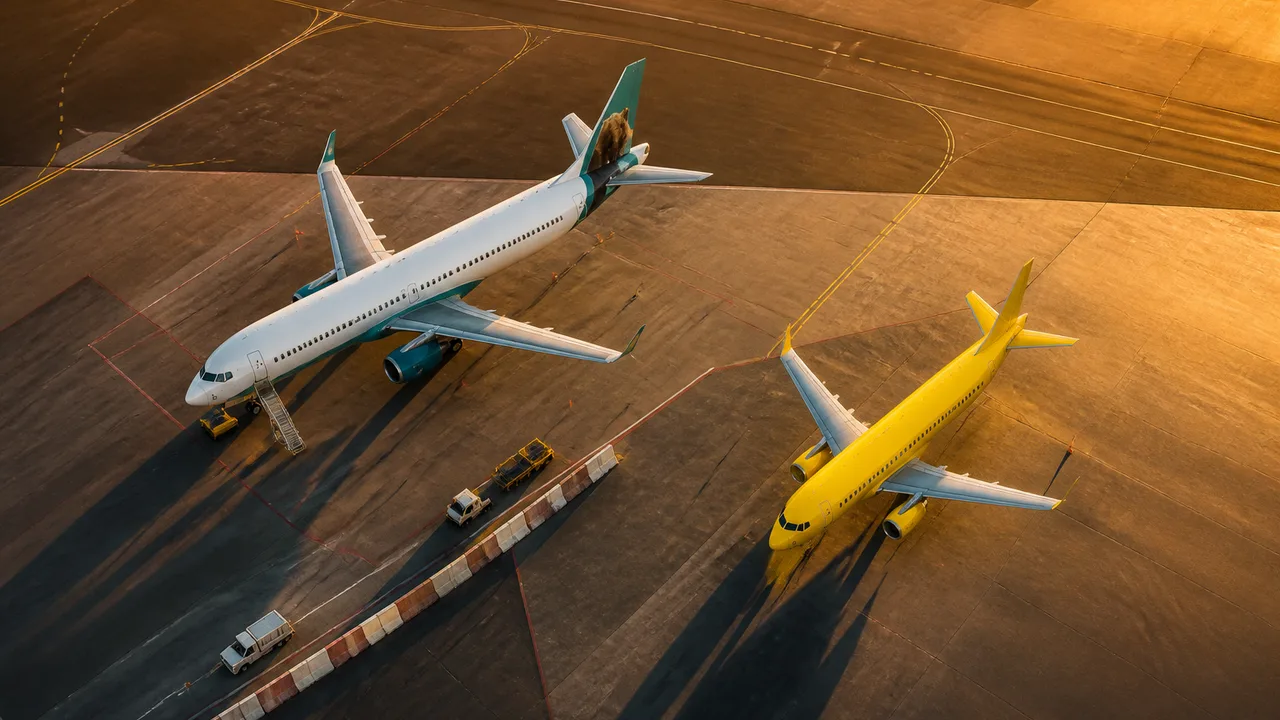
Frontier Airlines lost $104 million in the third quarter of 2026 despite record revenue. That is a difficult combination to explain with a simple story about weak demand. The airline has more room to sell seats as Spirit retreats from competition, and passengers are paying more. The expense of operating those flights still exceeds what Frontier brings in.
The change is visible at the ticket counter. CNBC cited a 71% jump in Frontier airfare. For someone pricing a trip to see family or weighing whether a weekend away fits the budget, the immediate question is what the journey costs. For Frontier, it is how much of a higher fare remains after the fuel, crew, aircraft and other costs of carrying that passenger are paid.
Spirit’s retreat has eased competitive pressure on Frontier, creating an opportunity to attract passengers and raise fares. A rival’s exit can improve an airline’s position quickly. It cannot, by itself, turn higher revenue into a profit.
A Rival Leaves Room to Raise Prices
Budget airlines exert pressure on one another because they appeal to travelers willing to compare departure times, baggage rules and the final price before booking. When two low-cost carriers compete for those travelers, each has a reason to keep an eye on the other’s fares. Remove one competitor, and the remaining airline may have greater freedom to charge more, particularly where customers have fewer affordable alternatives.
That is the strongest case for Frontier’s opportunity. It can reach passengers who might previously have booked Spirit and collect more revenue from seats it sells. Higher fares can improve the economics of a flight without requiring Frontier to add another aircraft or departure. They may also give the airline a cushion against rising costs, provided customers continue to book.
But a passenger gained after a competitor’s retreat is not necessarily a passenger Frontier keeps at any price. People can choose another airline, take a different route, travel less often or abandon a discretionary trip. A fare increase that raises revenue on one set of flights may reduce demand on another. Frontier has to judge how much customers will pay while filling enough seats to support its low-cost operation.
The competitive change also looks different from the traveler’s side of the booking screen. A higher Frontier fare can still be the cheapest suitable option. With fewer low-cost choices, though, a passenger has less ability to use one budget carrier’s price against another’s. The burden falls hardest on people for whom the trip has little flexibility: a family visit tied to school holidays, for example, offers fewer ways to avoid an expensive departure date.
The Fare is Only Part of the Sale
An airline ticket has several prices. The fare that first appears in a search result may differ from the amount a traveler pays after choosing baggage, a seat or other extras. For Frontier, the economics depend on the combined revenue from passengers and the cost of carrying them. A large increase in an airfare measure does not tell a traveler precisely what every itinerary will cost, or tell an investor what the airline retained from each sale.
That distinction becomes especially useful when comparing a fare headline with quarterly results. Frontier’s record revenue shows that more money entered the business. Its $104 million loss shows that revenue did not cover the quarter’s full costs. Fuel can consume a larger share of each ticket’s proceeds; labor, aircraft and other operating expenses can do the same. A fuller plane helps spread some costs across more passengers, but it still has to earn enough from those passengers to pay for the flight and the business behind it.
Fuel is an immediate source of pressure. Frontier’s airfare surge was connected with high jet fuel costs. Fuel efficiency can help an airline limit the effect of a price increase, but it does not set the price of fuel. Frontier has touted its fuel efficiency while lowering its earnings outlook. Those two developments can coexist: operating an efficient aircraft is valuable, while the broader cost and revenue picture can still deteriorate.
Frontier needs fares high enough to meet its costs. It also needs to remain attractive to the price-conscious customers on whom its model depends. If costs rise alongside fares, the extra revenue offers less relief than the ticket-price increase suggests.
What Frontier Needs to Show Next
Spirit’s retreat gives Frontier time and space to test higher prices. It also creates an unusually favorable setting in which to test its business. If Frontier struggles to turn stronger revenue into profit with reduced pressure from a close rival, the question reaches beyond one expensive quarter: how much room does the ultra-low-cost model have when fuel, labor and aircraft costs rise?
A profitable result would not settle every question, either. It would need to hold up as travelers respond to higher fares and as costs change. Airlines make decisions about schedules and prices ahead of flights, while expenses can move before those flights depart. A stretch of stronger pricing can therefore help one quarter without guaranteeing the next.
Frontier’s next results should be read across several measures together: whether it keeps attracting passengers, whether revenue remains strong, what happens to its costs and whether the loss narrows or becomes a profit. Fare growth alone answers only one of those questions. A traveler sees the new price before buying; Frontier learns what that price earned only after it has flown the passenger.
More Like This

When the Kitchen Was Already an Army
A French military doctrine is being proposed for hotel kitchens. But Escoffier already militarized the kitchen in 1900. What changes when the orders stop?

Istanbul's Layers: History, Faith, and Food
Rick Steves guides viewers through Istanbul's Byzantine ruins, Ottoman mosques, hammams, and tables. A food writer looks closer at what the camera catches and what it misses.

Small Group Italy Tours Are Reshaping Travel
Small group Italy tours promise authenticity over crowds. But do they deliver — and at what cost to the communities they claim to honor?

Hotel Loyalty Programs Court Gen Z With Concert Perks
Wyndham says Gen Z is nearly 10% of loyalty members. Concert perks may recruit young travelers, but cost, access and repeat stays will test the strategy.
Iran War's Strait of Hormuz Closure Threatens Cheap Flights
The Iran conflict has choked off 20% of global oil supply, sent jet fuel prices soaring, and may have ended the 40-year era of affordable air travel for good.

American Airlines Ends 24-Hour Refunds on Last-Minute Tickets
American Airlines has quietly removed the 24-hour refund window for tickets booked within seven days of departure. Here's what that means for last-minute travelers.

Tauck's Seine River Cruise: What $10,000 Actually Buys
Travel + Leisure boards Tauck's MS Serene for a nine-night Seine cruise. Here's an honest look at what luxury river cruising delivers — and what it costs.