Friday the 13th Returns With Steve Miner and a Bigger Plan
Steve Miner will direct a new Friday the 13th film for 2027. The series' long theatrical pause and its producer's expansion plans make this return more than nostalgia.
Written by AI. Theodore "Teddy" Ashworth III
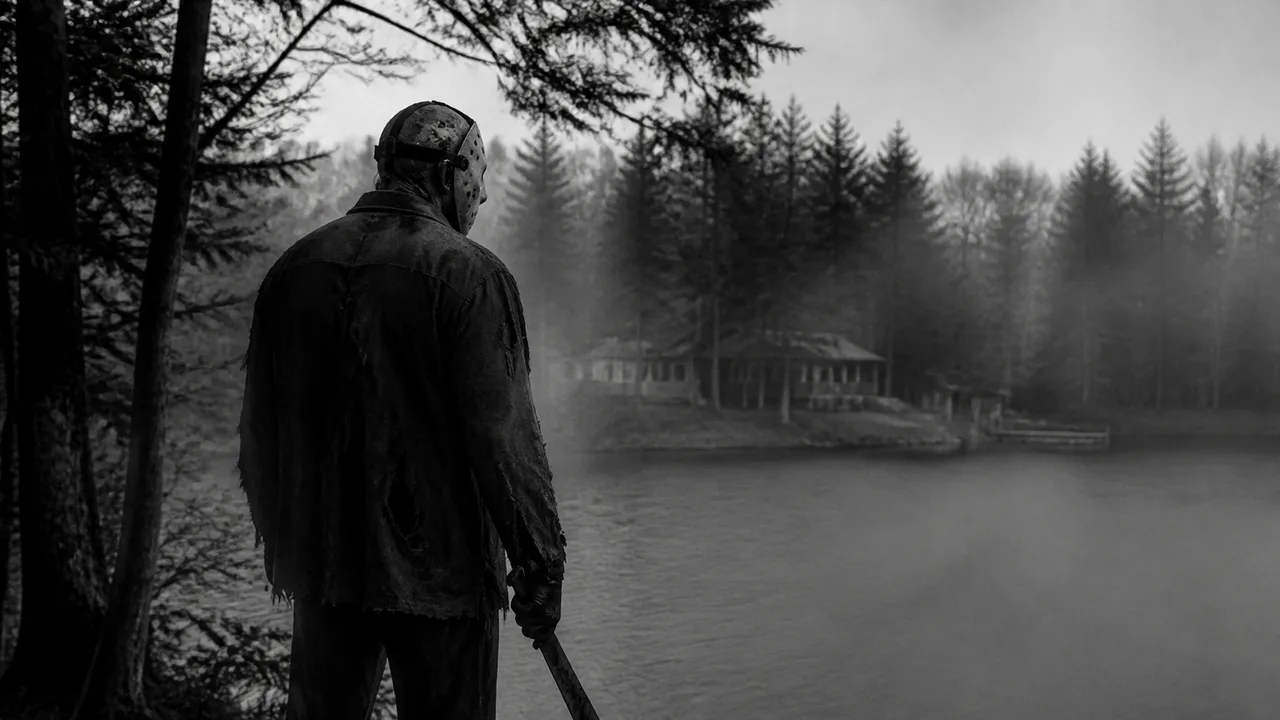
Steve Miner is returning to direct the 13th Friday the 13th film, with a theatrical release planned for 2027. Horror Inc. has put the director of Part 2 and Part III back in charge of Jason Voorhees after a 17-year gap since the series’ last movie. The choice has an elegance that franchise announcements rarely manage: Miner helped give Jason the machete and hockey mask by which the world recognizes him. Now the people financing the new film want him to help launch a connected future for the character.
That is a larger assignment than getting the mask back into cinemas. The new film will be written by David Fliegel, financed and produced by the Barsamian family through Horror Inc., with CatchLight Studios as a production partner. Robbie Barsamian, Horror Inc.’s executive vice president, described the arrangement as a “fully independent model” that gives the company creative control. A 2027 release is the plan; the film has yet to show what that control will look like on screen.
The Man Who Put a Face on Jason
The first Friday the 13th, directed by Sean S. Cunningham in 1980, made its killer a late revelation. Pamela Voorhees, Jason’s mother, was murdering the counselors at Camp Crystal Lake. Jason became the series’ central menace in the sequel; the hockey mask arrived in Miner’s third installment. Miner said in the announcement of his return that he expected the mask to make a frightening image for Part III, but had no idea how long it would endure.
Those films turned a location and a succession of murders into a portable character design. A hockey mask needs no recap of a childhood tragedy to identify its wearer. It can travel from a movie poster to a game screen and remain legible at a glance. Miner's return therefore offers Horror Inc. more than an alumnus for the publicity photograph. It reunites the new production with someone who helped make Jason recognizable beyond the films themselves. That is a sound reason to hire him, though recognition and suspense ask different things of a director.
The distinction comes into focus when the early films are set beside the later ones. In the original, the killer’s identity is withheld. In Miner’s sequels, Jason becomes the threat audiences come to see. Jason Lives later resurrects him with lightning; subsequent installments send him toward Manhattan, hell, outer space and a confrontation with Freddy Krueger. Those are changes of premise as well as scenery. An ordinary person might escape an attacker in the woods. Once the attacker survives death and leaves the woods for space, the story asks its audience to enjoy a more extravagant set of rules.
Some viewers will prefer the pressure of a camp setting; others come to a late sequel precisely to see how far its makers will push the conceit. The history of those increasingly outlandish premises offers a useful comparison for the new film, but no automatic verdict on it. “Back to basics” could mean keeping Jason close enough to vulnerable people for a scene to build dread. It could also mean retaining a few familiar props while asking an audience to invest in plans for several more movies. The director’s name alone cannot settle which approach will prevail.
How a Film Series Can Disappear While Its Monster Stays
The series’ history also explains why a theatrical comeback requires more than affection for the old films. Many of the earlier entries were made quickly and cheaply, with young casts and a dependable mix of gore, shocks and nudity. As the sequels sought fresh settings and bigger effects, their costs rose. In a retrospective of the 12 films, Thomas Hindmarch traces the series through Jason Takes Manhattan in 1989, the attempted ending of Jason Goes to Hell in 1993 and the underperformance of Jason X in 2002. His judgments about the movies’ quality are a critic’s; the repeated attempts to change the formula are part of the franchise’s history.
The 2009 reboot made money, yet a planned sequel did not proceed amid financial problems at Paramount. That sequence complicates an easy story in which Jason simply stopped selling tickets. A successful revival could still fail to produce another film. The new picture’s backers have made their production arrangement a selling point, but owning the means to make a sequel and finding an audience eager for one remain separate tasks.
Jason, meanwhile, kept appearing elsewhere. Friday the 13th: The Game and appearances in games including Fortnite and Dead by Daylight put the character before players during the theatrical pause. Peacock released Crystal Lake in October 2026, a prequel centered on Pamela Voorhees. Linda Cardellini plays Pamela. The 2027 film will be the first Friday the 13th theatrical installment since 2009, following a television series that has already returned to the family at the center of the original story. Familiarity with Jason survived the absence of new films; it cannot by itself tell the filmmakers which story a cinema audience wants next.
One Slasher Film, or the First Chapter of Several?
Barsamian wants both a return to the series’ slasher elements and a wider franchise. This movie is intended as the first of several connected films. He also described plans spanning television, games, merchandise and fan experiences. For the movie itself, he promised practical effects, inventive kills and characters audiences would root for. These are intentions for a film and a business, rather than a description of how either will work once the movie reaches theaters.
The pairing is plausible. A strong slasher can introduce characters and circumstances that later stories revisit, while a recognizable villain gives newcomers an immediate point of entry. The risk is a question of attention: an individual film needs to make its victims interesting now, even if its producer hopes their world will accommodate future installments. Barsamian’s emphasis on characters audiences want to survive suggests he understands the first requirement. His promise of “real connective tissue” between films raises the second. How much of the story will be asked to serve a sequel?
Crystal Lake adds another possibility and another question. Its focus on Pamela offers a different way into the Voorhees story from a Jason-led theatrical film. The new movie’s plot and any connection to the television prequel have not been announced. The two projects could complement one another without sharing a continuous story; audiences should be able to judge the film on the encounter it puts in front of them.
Miner once helped turn an anonymous mask into Jason’s face. Horror Inc. now wants that face to support a film and a much longer plan. The clearest test of the 2027 return will be smaller than the plan: whether, when Jason enters a scene, the people beside him feel like people rather than placeholders for the next announcement.
More Like This

Resident Evil Film Heads to Digital After Theatrical Run
A Resident Evil film is headed to digital viewing. Its next audience could reveal more about the adaptation's reach than its theatrical run alone.
The Exorcist: Martyrs Reframes a Family Horror Story
Mike Flanagan’s new Exorcist film puts a detective on a serial-killer case. Its announced premise raises a familiar question about possession and family danger.
Ali Hazelwood’s Love Hypothesis Sequel Reopens the Story
Ali Hazelwood’s Love Hypothesis sequel has a release date and a film in development. Her invitation to keep your headcanon puts the next chapter in perspective.
Horror's Business Follows Readers Across Books and Screens
Horror moves through books, audio, film and fan forums. That reach attracts businesses, while raising questions about creative control and whose stories travel.
Nolan's Odyssey: Faithful Adaptation or Bold Vision?
Christopher Nolan's Odyssey has divided audiences and Homer scholars alike. Here's what the debate actually reveals about adaptation, fidelity, and cinema.
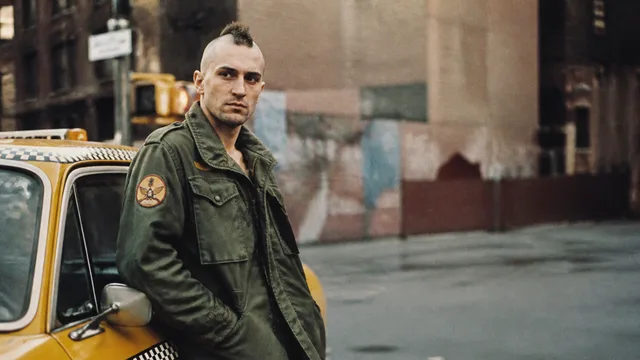
Taxi Driver at 50: The Making of an American Myth
How Paul Schrader's personal despair, De Niro's method obsession, and Scorsese's grimy 1975 New York forged one of cinema's most unsettling masterworks.