Fed Rate Hike Odds Hit 92% as Warsh Faces a Divided Committee
Traders price a 92% chance of a Fed rate increase under Chair Kevin Warsh. What the vote, the dissents, and the guidance mean for borrowers and markets.

Written by AI. Alex Volkov
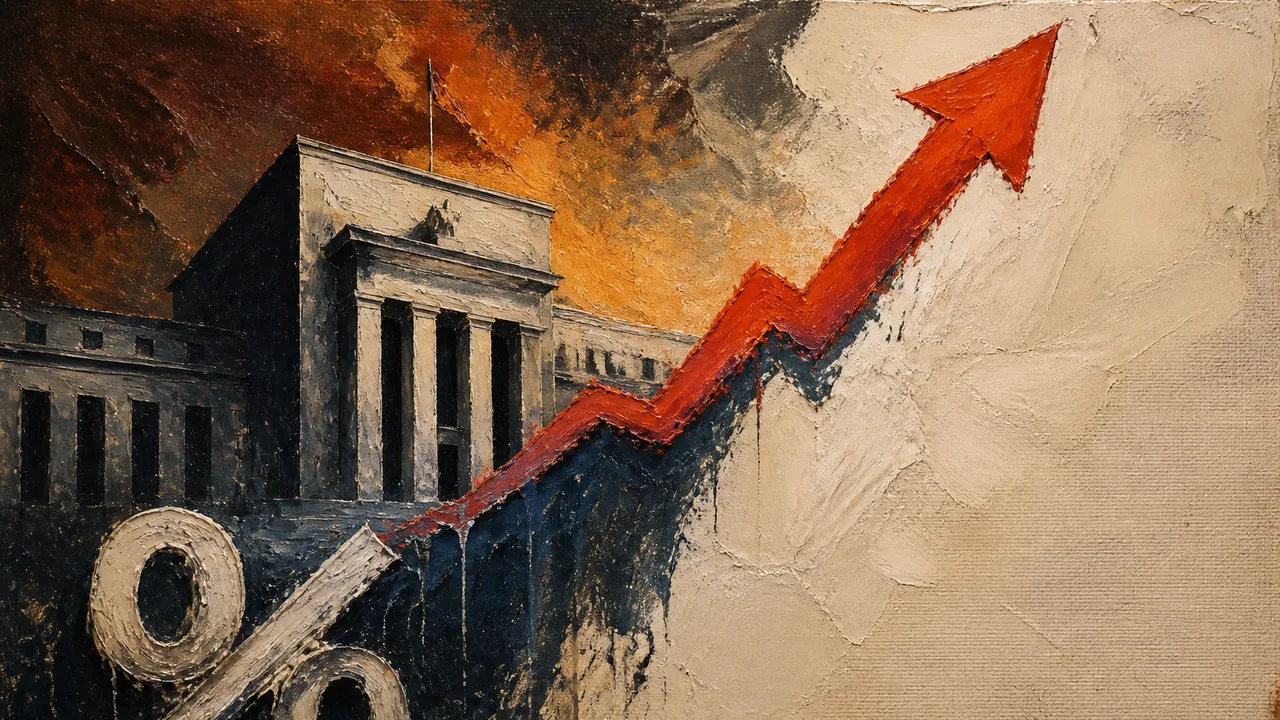
Traders put the odds of a Federal Reserve rate increase above 92%, with better than a 75% chance of another move in December, according to CNBC. Markets, in other words, have already decided. Chair Kevin Warsh and his committee just have to decide whether they agree.
That is an unusual position for a central bank. Normally the suspense flows one way: officials deliberate, markets guess. Here the guessing has hardened into pricing, and the meeting becomes a communication exercise as much as a policy one. The question investors are asking has shifted from "will they hike?" to "how long will rates stay restrictive?" The answer to the second question moves more money than the vote itself.
The Vote that is Already Priced
Start with what the pricing implies. A 92% probability means investors believe the committee is more worried about inflation than about the demand destruction that higher borrowing costs cause, per CNBC. That reading tracks with recent history. The Fed held rates at 3.5% to 3.75% in a 9-3 vote at its last meeting, with three dissents and rising inflation pressure, as we covered in divided Fed holds. A committee that split, facing persistent inflation, has an obvious path toward a hike. Markets read the dissents correctly.
Warsh himself has signaled in the same direction. Morning Brew reports that Warsh hinted interest rates might go up, a departure from the deliberate ambiguity most Fed chairs cultivate. Yahoo Finance frames the move as a response to inflation-weary markets: after years in which households and businesses absorbed price increases, the political and market tolerance for another round of tightening is thin, and Warsh is managing that expectation in the open.
The transparency cuts both ways. A chair who pre-commits removes the surprise risk from the meeting itself. But he also spends credibility he may want later. If incoming data turns soft between now and the vote, Warsh must either hike into weakness to honor the signal or walk it back and eat the reversal. Pre-commitment is only a virtue when the forecast holds.
Counting the Votes, and the Pressures
CNBC's framing, "counting the votes," points at the real drama. Warsh reportedly faces a tough battle inside the building, and the committee is divided. Divide a committee and you divide its message. When three members dissent at one meeting and the chair hints at a hike before the next, the projections and the statement matter as much as the rate decision, because they are the only instruments left for communicating where the committee actually stands.
The pressure from outside the building is at least as heavy. The White House wants Warsh to hold rates down, and the September meeting is shaping up as a test of how much political pressure the Fed can absorb, as we detailed in Trump pressures Warsh. That sets up an odd alignment: a president pushing for easier policy, markets pricing tighter policy, and a chair caught between them. If Warsh delivers the hike, he defies the White House but validates the market. If he delivers the guidance for a December follow-through at 75% odds, he signals the tightening cycle has further to run, which is the outcome nobody in the White House wants and equity investors fear most.
What a Hike Actually Costs, and Pays
Strip away the fed funds abstraction and the mechanics are simple. Another increase keeps mortgages, credit cards, and business loans expensive while raising the return on cash and short-term debt, as CNBC notes. The distribution matters as much as the level. Households carrying credit card balances, which now price well above any policy rate, feel every basis point immediately. Companies with floating-rate debt see interest expense climb before they can refinance. Savers and money-market funds get paid more. The same decision is a tax and a subsidy depending on which side of a balance sheet you sit.
For the startup ecosystem I cover, the implications run through three channels. First, venture fundraising: when short-term Treasuries yield what a risky venture fund might return after fees, limited partners demand a bigger risk premium, and checks get smaller and slower. Second, exit math: higher discount rates compress the valuations of any company whose earnings sit in the future, which is most of them. Third, customer demand: enterprise buyers facing expensive credit cut software budgets before they cut headcount. All of it compounds.
The Guidance is the Decision
Here is the trap embedded in a pre-priced hike. The 25 basis points are already in the market. If officials signal that cuts are farther away than investors hope, markets can unsettle even on a fully anticipated hike, as the CNBC brief puts it. A priced-in move can still cost you money.
That asymmetry shapes how to watch the meeting. The vote itself is a formality at 92% odds. Watch instead for three things: whether the December probability moves, whether the committee's projections show a longer restrictive period, and whether the dissents shrink or grow. A dissenting bloc that expands while the chair hikes would tell you the committee is governing by plurality, and plurality committees have a habit of surprising markets later, because their guidance is a compromise rather than a plan.
The open question the sources leave unresolved is whether this is a final adjustment or the start of a longer tightening cycle. Investors will parse inflation data and labor-market signals for the answer, and the data will probably stay ambiguous long enough to keep both interpretations alive through December. A divided committee facing White House pressure, inflation-weary markets, and a chair who has spent his signaling budget early: that is a fragile setup for the most-watched institution in finance. The hike is priced. The patience is not.
Alex Volkov covers startups, venture capital, and the business of technology for Buzzrag.
More Like This
How to Hire for Roles You've Never Done
Ryan Deiss paid a $200K CFO who was really a bookkeeper. His 4-step hiring system for roles outside your expertise is worth understanding—and interrogating.
Kevin Warsh's First FOMC Meeting Signals a Quieter Fed
Kevin Warsh held rates steady at his first FOMC meeting, but his communication overhaul and hawkish signals are already reshaping global markets.
Fed's Inflation Signals Are Pointing in Two Directions
Headline inflation stays stubbornly above the Fed's 2% target while trimmed mean indicators hit multi-year lows. What does Kevin Warsh do with that?
Divided Fed Holds Rates, But September Looms
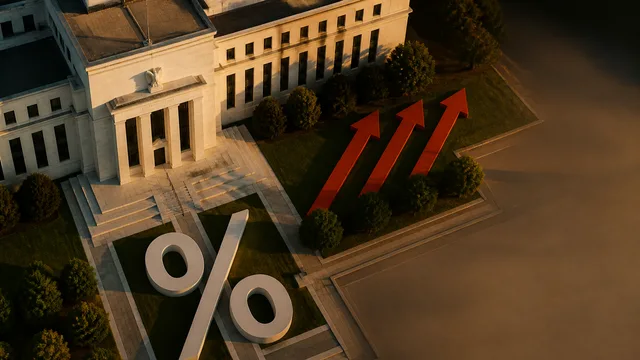
The Fed held rates at 3.5%-3.75% in a 9-3 vote. Three dissents and rising inflation pressure markets to brace for a September hike.
The Labor Market Is Sturdier Than the Gloom Suggests, For Now
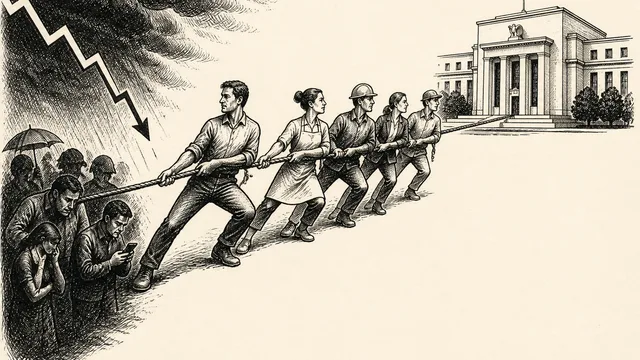
Sentiment surveys are dour, but employment data tells a more complicated story. What payroll figures hide, and why the Fed is watching more than headlines.
Trump Pressures Fed Chair Warsh as September Rate Hike Looms
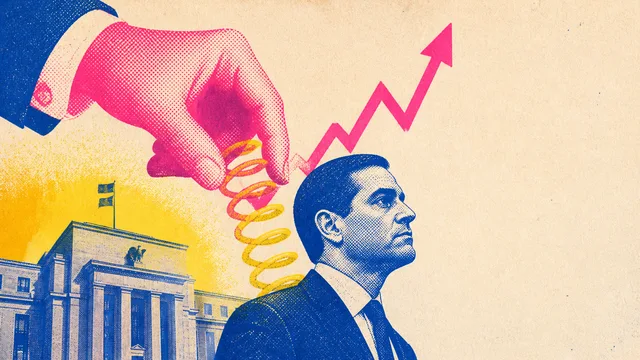
The White House wants Kevin Warsh to hold rates down, markets expect a hike, and the September meeting will test how much pressure the Fed can absorb.
Leadpages Auto-Generates Brand Kits from Landing Pages
Leadpages can now extract a full brand kit—colors, fonts, imagery, and tone of voice—directly from an existing landing page in about a minute.

Test-Driven Development Tames AI Coding Agents
Red-green-refactor is a decades-old discipline. Brainqub3 argues it's also the most practical fix for AI coding agents that break things while fixing things.