Arkane Lyon's Buyer Deadline Puts 217 Jobs in Focus
Arkane Lyon faces a November buyer deadline. Here is what the search means for 217 workers, Marvel's Blade and the studio's possible paths through consultation.

Written by AI. Carmen Rodriguez
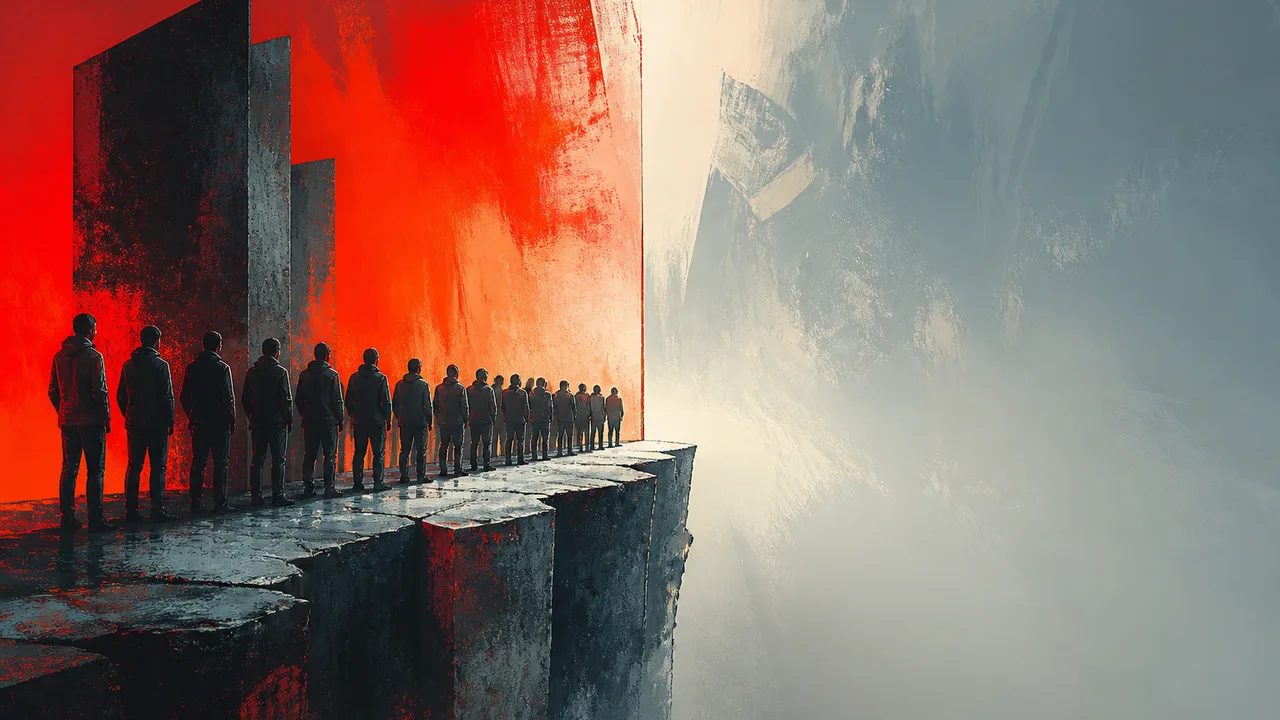
Arkane Lyon faces a reported November 13 deadline in a search for a buyer that could determine the future of 217 jobs. The studio behind Dishonored 2 and Deathloop is still working on Marvel’s Blade while Microsoft considers what to do with it. For the people making that game, the date puts a limit on the reported buyer-search window. A closure is not scheduled for that day.
The buyer search began this summer, alongside consultation and negotiations over an employment protection plan. Xbox management informed Arkane Lyon on July 16 that it faced closure, union representatives told Le Monde. November 13 is the reported deadline to find a buyer; it is not a confirmed end date for consultation with the studio’s Social and Economic Committee or for negotiations over jobs. Xbox said in September that it expected consultation about Arkane’s future to continue through the end of the year. A closure would put 217 workers’ jobs at risk. Microsoft neither confirmed nor denied the proposed closure in its response to Le Monde.
A separate timetable governs what could happen afterward. Internal documents seen by Le Monde put implementation of a plan for the complete cessation of Arkane Lyon’s activities at the end of 2026 and into the first quarter of 2027. Workers have reason to watch November 13 closely; they also have reason to resist anyone treating it as the date their jobs have already ended.
Why the Studio is Still in Consultation
Microsoft acquired Arkane Lyon through its purchase of ZeniMax in 2021. When Xbox announced a broader restructuring in July 2026, it said it was beginning required consultation with Arkane’s works council over strategic options. The union representatives’ account places management’s warning about potential closure on July 16. Those steps explain the months between management raising closure and a final outcome for employees.
The process sits within a French rule identified as the 2014 Florange Law. Under the rule as described in accounts of Arkane’s buyer search, a company with more than 1,000 employees must spend at least three months seeking a buyer for an operational unit it plans to close. The threshold concerns the company, while 217 is the number of Arkane Lyon jobs reportedly at risk. The buyer search runs alongside consultation and negotiations over an employment protection plan.
That requirement gives workers and their representatives time to press for an alternative to closure. Time alone cannot make another company take on a studio, its staff or its project. It does change the sequence of decisions: Microsoft must pursue a buyer search while representatives negotiate over jobs, rather than proceed directly from a closure proposal to shutting the studio. For employees, those negotiations concern both whether Arkane survives and what happens to them if it does not.
Redundancy-plan negotiations were going “badly,” a union representative told Le Monde, and the unions wanted more time for discussions. The representative also called for affected staff to be re-employed at other Xbox studios, citing limited prospects for finding work in the video-game market. That job-market assessment is the representative’s; redeployment remains a demand, not an agreed outcome. Negotiations were continuing toward October 30, and the union had not ruled out going to court, IGN reported.
Microsoft told Le Monde it was keeping the works council and employees informed. It said it was exploring options for Arkane and “actively seeking a partner to support the next phase of development and enable the commercialization of the project.” That describes the company’s stated objective, not an agreement with a partner. It also leaves a consequential question for workers: whether a path for Blade would include a path for the people making it.
A Possible Takeover, with No Deal Announced
A union representative told Le Monde that “several forms of takeover are being considered.” That suggests discussion reaches beyond a single proposed arrangement. It says nothing definite about a buyer’s commitment, which workers would transfer, or who would control Blade.
A representative of Printemps Écologique said the game was “nearing the end” of production. Microsoft’s reference to a partner for the project’s next phase points to work still ahead. The descriptions come from parties with different roles in the negotiations; neither supplies a release commitment. Blade was announced in 2023, but its eventual publication cannot be inferred from a union representative’s assessment of production progress.
In July, Xbox said none of its publicly announced first-party games or projects would be cancelled as part of its cuts. For workers, that assurance addresses the project, while the buyer search and redundancy talks address who might employ its developers. A game can remain on a company’s plans while the people building it face a change of employer or the loss of a job. The terms of a partner arrangement would have to settle those employment questions separately.
For employees, a takeover proposal would need to answer more than whether the studio name survives. Jobs, redeployment and the future of the project appear together in these talks because keeping a game in development and keeping its developers employed are separate decisions. No takeover terms have been announced.
Other studios caught in Microsoft’s restructuring show why the alternatives deserve attention without providing a forecast for Arkane. Double Fine, Undead Labs and Compulsion Games went independent following negotiations. Ninja Theory followed a different path: Eurogamer reported that two proposed acquisitions fell through and the studio was likely to close; Video Games Chronicle reported layoffs under way. Arkane remains in consultation.
Those cases share a parent company restructuring its game studios, and they show that negotiations can lead to different paths. Arkane’s prospective buyers, project arrangements and employment terms remain unresolved, so neither an independence deal nor a failed acquisition predicts its outcome. A studio becoming independent also says nothing by itself about how many of its workers keep their jobs. A proposed closure can lead to negotiations over ownership and employment; the terms of any resulting deal determine what workers actually retain.
The French process gives Arkane’s representatives a place to contest the terms and seek more time. Microsoft says it is looking for a partner; the unions say takeover options are under discussion and want stronger protection for staff. November 13 may close the reported buyer-search window while consultation continues. A partner for Blade, if one is found, would still leave the question of what happens to the people who made it.
More Like This

Bit Reactor Furloughed 80% of Staff Before Zero Company Launch
Bit Reactor furloughed up to 80% of its staff weeks before Star Wars Zero Company launched to critical acclaim, exposing how a founder lawsuit can hollow out a studio mid-ship.

Ubisoft Proposes RedLynx Closure and Singapore Job Cuts
Ubisoft plans to close Trials studio RedLynx and cut 70 roles in Singapore. A previous mobile pivot and the studios’ changing assignments help explain the contrast.
Capcom, Jira, and the Question of Who Gets to Make Games
A former Capcom employee's critique of Jira-heavy Western studios has reopened an old argument about process, creative ownership, and who actually authors games.
Ninja Theory Layoffs Put Senua's 2027 Plans in Doubt
Ninja Theory staff face redundancy as Xbox weighs closing the Hellblade studio. Senua's uncertain future shows why retaining a team matters to a 2027 launch.
King’s Union Deal Shows How Strike Leverage Can Work
King’s Swedish union deal followed a strike deadline and Xbox cuts. Here is what workers gained, what remains limited, and why King reversed its course.
Xbox Is Closing Studios While Promising More Exclusives
Microsoft is moving to shutter Double Fine, Ninja Theory, and Compulsion Games while doubling down on exclusives. The math does not work out.

Trump's Forced-Labor Tariffs Trigger Global Backlash
Trump's new tariffs on 80+ countries cite forced labor, but trading partners call it protectionism. Here's what's actually at stake in the escalating dispute.

CuspAI's $450M Bet: Who Gains When AI Does Science?
Jeff Bezos and the UK government just backed CuspAI at a $2.6B valuation. The bigger question: what happens to the researchers whose expertise AI now models?