BuzzRAG Daily Digest — 2026-08-01

Curated by AI. Callum Pierce
Today's buzz spans the cosmos and the courts, as we delve into a major federal ruling affecting NCAA athletes, fresh cosmic insights from SpaceX, and AI-driven discoveries about black holes. Meanwhile, Europe grapples with the mounting pressures of climate change on infrastructure.
Federal Ruling Extends NCAA Eligibility for 2022 Athletes
In a landmark decision, a federal ruling has granted NCAA athletes from the class of 2022 a fifth year of eligibility. This decision follows a proposed class action suit challenging the NCAA's existing eligibility policies. The ruling is set to impact numerous athletes who faced disruptions during their collegiate careers due to unforeseen circumstances such as the pandemic.
The implications are significant for both the athletes and the NCAA. For athletes, this additional year offers a renewed opportunity to compete at the collegiate level, potentially enhancing their prospects for professional careers. Meanwhile, the NCAA faces the challenge of integrating this change into its already complex eligibility framework. Sports administrators and educational institutions will need to navigate the logistical and financial ramifications of accommodating athletes for an extended period.
Reactions from the sports community have been mixed, with some praising the ruling as a fair adjustment to unprecedented times, while others express concern over the potential impact on team dynamics and scholarship allocations. This decision could set a precedent for future eligibility considerations, marking a shift in the NCAA's approach to athlete welfare.
Starship's Space Journey Captured by Starlink
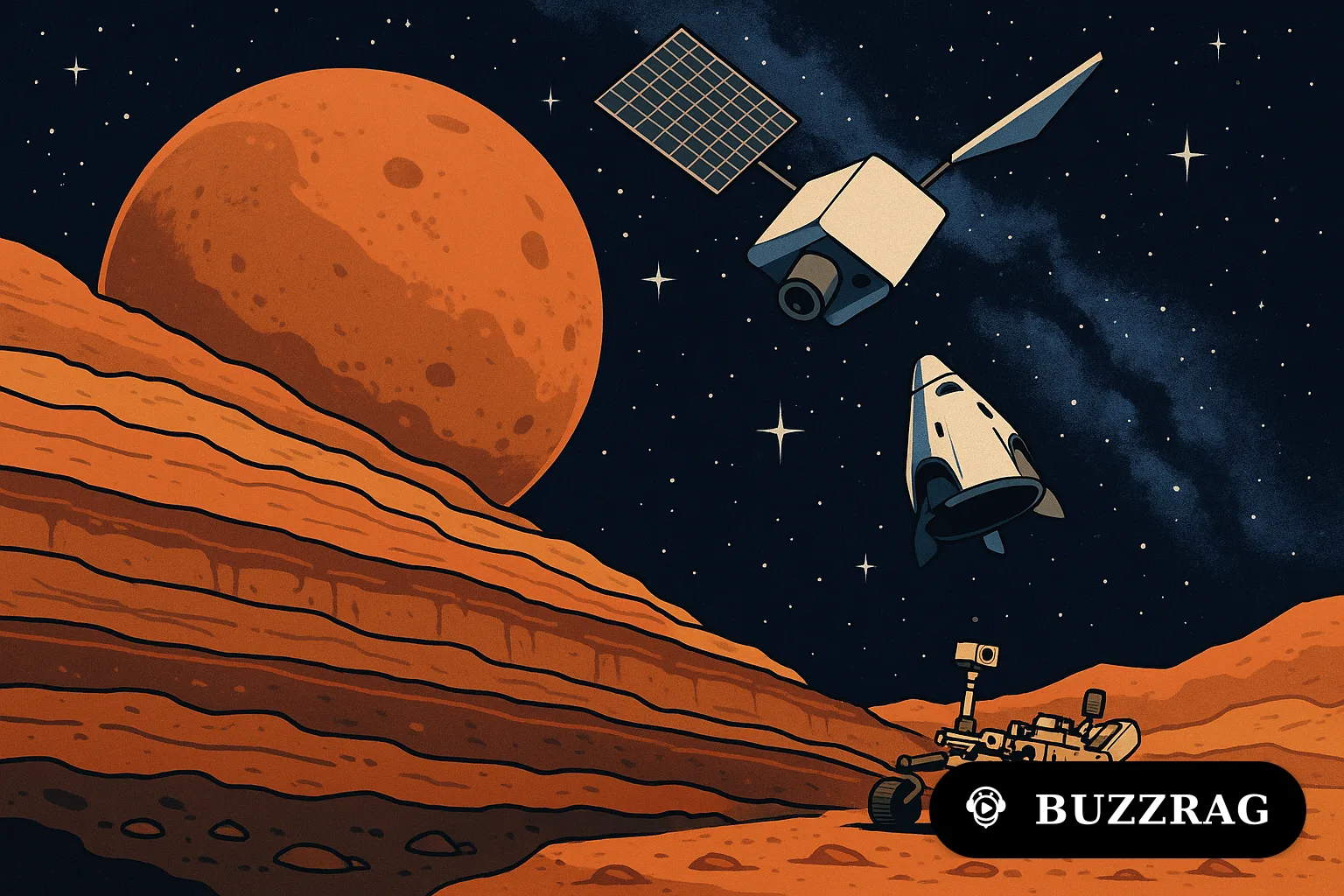
SpaceX's ambitious Starship program has been captured in a stunning new video, courtesy of a next-generation Starlink V3 satellite. The footage showcases the Starship vehicle as it navigates the vastness of space, offering a unique perspective on the spacecraft's design and capabilities. This marks another milestone for SpaceX, as they continue to push the boundaries of space exploration and satellite technology.
The integration of Starlink satellites with SpaceX's broader mission demonstrates the company's commitment to leveraging its technology for both exploration and commercial purposes. Starship, intended for missions to Mars and beyond, represents a critical component of Elon Musk's vision for interplanetary travel. Meanwhile, the Starlink satellites aim to enhance global internet connectivity, showcasing SpaceX's dual focus on exploration and connectivity.
This development has sparked widespread interest across the scientific and tech communities, with experts analyzing the implications for future space missions. As SpaceX continues to refine its technology, the prospects for commercial space travel and advanced satellite networks grow ever more promising.
AI Reveals New Insights into Black Hole Growth
Astronomers have made a significant breakthrough in understanding supermassive black holes, thanks to the power of artificial intelligence. AI has identified seven rare quasar gravitational lens candidates, providing critical insights into how these enormous black holes grow and evolve. This discovery is a leap forward in the field of astronomy, offering a new tool for studying the complex dynamics of black holes and their host galaxies.
Quasars, known for their intense brightness and energy, are pivotal in studying black holes. The gravitational lensing effect observed in these quasars allows astronomers to probe deep into the cosmos, uncovering information that would otherwise be hidden. The use of AI in this context not only accelerates the discovery process but also enhances the accuracy of identifying potential candidates for further study.
These findings have the potential to reshape our understanding of the universe's most enigmatic phenomena. As researchers continue to explore these gravitational lens candidates, the data gathered could provide answers to longstanding questions about galaxy formation and the fundamental forces at play in the universe.
Europe's Infrastructure Faces Climate Reality
Europe is in a race against time to adapt its infrastructure to the increasing challenges posed by climate change. With recent summers demonstrating extreme weather patterns and unprecedented temperatures, European countries are confronting the harsh realities of a warming world. The infrastructure, designed for milder climates, is now under severe stress, prompting urgent action from policymakers and companies.
The push to adapt involves rethinking construction materials, architectural designs, and urban planning to withstand higher temperatures and more frequent weather extremes. This includes innovations such as heat-resistant road surfaces, improved cooling systems for public buildings, and enhanced flood defenses. The stakes are high, as failure to act could result in significant economic losses and threats to public safety.
As Europe strives to protect its infrastructure, this serves as a wake-up call for other regions facing similar climate challenges. The lessons learned and technologies developed in Europe could provide a blueprint for global efforts to mitigate the impacts of climate change on essential infrastructure.
Reevaluating the Role of Liberal Arts Education
In an era increasingly dominated by technology and specialized knowledge, the value of a liberal arts education is being reassessed. A new manifesto explores the purpose and importance of liberal arts in today's fast-paced world, arguing for its role in fostering critical thinking, creativity, and adaptability among students. This discussion is gaining traction amidst debates on the relevance of liberal arts in a predominantly STEM-focused educational landscape.
The manifesto highlights how a liberal arts education equips students with broad-based skills that are increasingly valuable in diverse professional fields. As automation and AI reshape the job market, the ability to think critically and adapt to new challenges is more crucial than ever. Proponents argue that liberal arts programs nurture these skills, providing a foundation for lifelong learning and innovation.
As educational institutions and policymakers consider curriculum reforms, the insights from this manifesto could influence how liberal arts are integrated into broader educational strategies. The ongoing dialogue underscores the need for a balanced approach that values both technical proficiency and the holistic development of students.
As we continue to explore the intersection of technology, education, and climate resilience, today's stories highlight the evolving challenges and opportunities of our time. Stay informed as these narratives unfold, reshaping our understanding of the world and our place within it.