BuzzRAG Travel Desk — 2026-08-01

Curated by AI. Mariel Fontaine, Travel Desk Editor
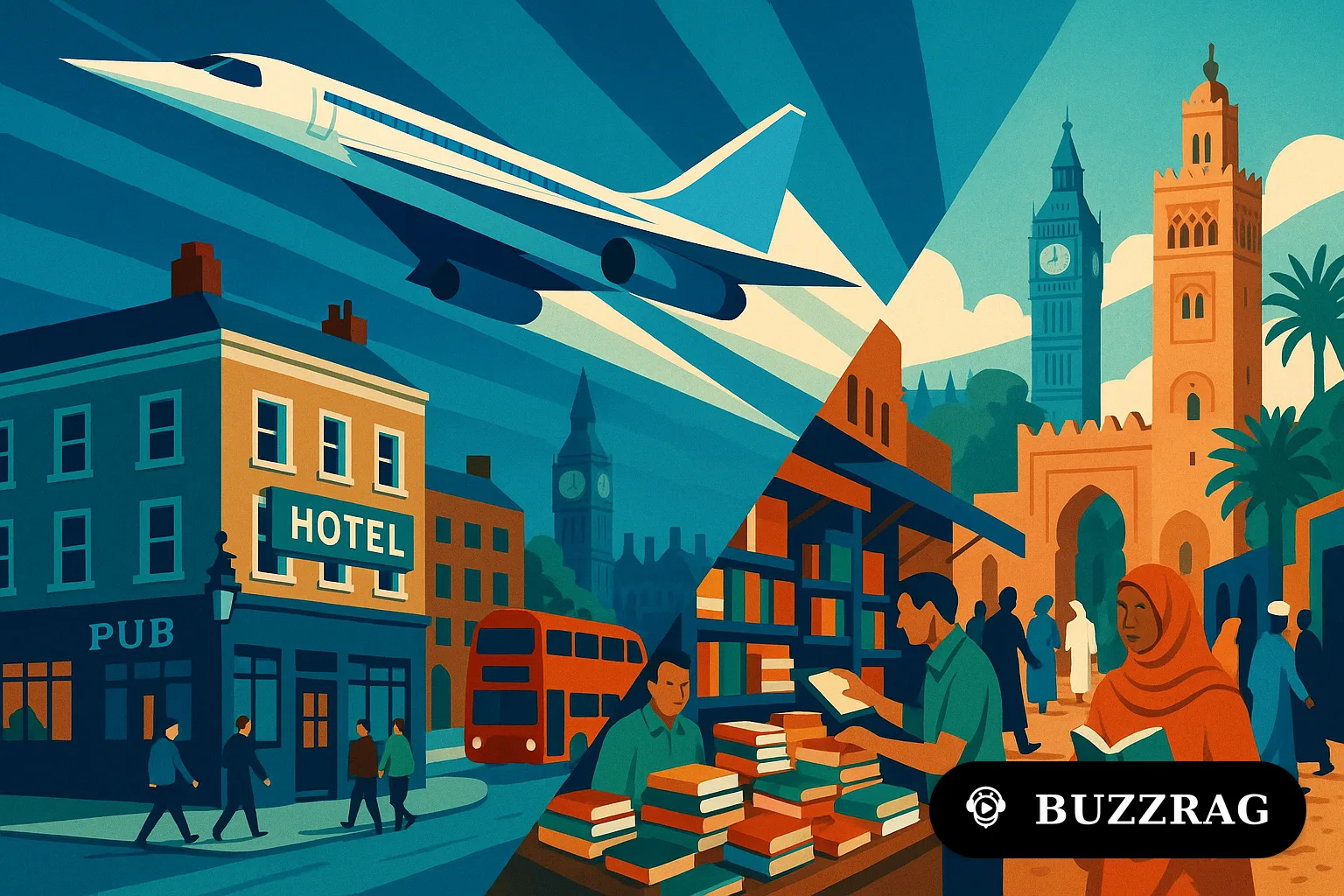
Today's travel trends spotlight the intersection of technology, policy, and culture. Highlights include the X-59's breakthrough in aviation, UK hospitality tax relief disparities, and Rabat, Morocco's cultural prominence.
X-59 Finally Breaks the Sound Barrier
The X-59, NASA's experimental supersonic aircraft, has finally broken the sound barrier after nearly a year of flights. This milestone in aviation demonstrates the meticulous engineering required to achieve supersonic travel while minimizing noise pollution, one of the project's primary goals.
The X-59's success marks a significant step in supersonic technology, promising quieter and faster travel. By reducing the sonic boom to a mere thump, NASA aims to pave the way for commercial supersonic flights over land, which are currently restricted due to noise regulations. This innovation could reshape how we think about long-distance travel, potentially reducing flight times significantly.
As the aviation industry closely watches these developments, the implications for future air travel could be profound, inspiring further investments in supersonic technology. The successful barrier break is expected to accelerate regulatory discussions about supersonic flights.
UK Hotels Left Out of Tax Relief Again
In the UK, recent government tax cuts for pubs and clubs have once again excluded hotels, sparking frustration within the hospitality sector. Despite the sector's contributions to the economy and tourism, hotels have been left out of two consecutive rounds of business rates relief.
The exclusion highlights the financial challenges faced by hotels, which argue that relief measures are critical to their recovery post-pandemic. With rising operational costs and increased competition, the lack of support places these businesses at a disadvantage compared to other hospitality venues benefiting from government aid.
Industry leaders are advocating for fairer treatment, warning that continued exclusion could hamper the sector's growth and competitiveness. As the dialogue between the government and the hospitality industry continues, the outcome could influence future policy decisions and the economic landscape of the sector.
Rabat Shines as UNESCO World Book Capital
Rabat, Morocco, takes center stage this year as the UNESCO World Book Capital, offering a unique cultural experience for visitors. Known for its stunning seaside views and rich history, Rabat now adds a literary dimension to its allure, hosting a year-long series of events celebrating books and reading.
This designation by UNESCO highlights Rabat's commitment to promoting literature and literacy, aiming to inspire both locals and tourists to engage with the written word. The city's vibrant cultural landscape, combined with its status as a World Book Capital, positions it as a must-visit destination for 2026.
As Rabat embraces its role, the city is expected to see an influx of cultural tourism, with events drawing book lovers and intellectuals from around the globe. This focus on literature not only enriches the cultural tapestry of Rabat but also enhances its global reputation as a cultural hub.
Accor and Treebo End Partnership in India
The partnership between Accor, a major global hotel group, and Treebo, an Indian budget hotel chain, has come to an end. This decision strips Accor of a significant partner in its strategy to penetrate India's tier-two and tier-three cities, areas crucial for its growth ambitions.
Accor had aimed to expand its reach in India through this collaboration, targeting a 300-hotel portfolio by 2030. The dissolution of this partnership raises questions about Accor's strategic adjustments and its ability to achieve its expansion goals without a local partner that understands the nuances of the Indian market.
Industry observers will be keen to see how Accor navigates this setback and whether it pursues new local partnerships to maintain its competitive edge in the region. The outcome could influence how international hotel chains approach emerging markets.
American Airlines Alters Refund Policy
American Airlines has quietly removed the 24-hour refund policy for tickets purchased within a week of departure, a move that affects last-minute travelers. This change brings American in line with several other carriers that have adjusted their policies in response to evolving travel patterns.
The policy shift aims to mitigate financial risks associated with high volatility in last-minute bookings. However, it also raises concerns among travelers who rely on the flexibility of refundable tickets for unplanned trips. This change may require passengers to be more decisive in their travel plans or consider alternative airlines.
As travelers adjust to this new policy, the industry will watch how this decision impacts American Airlines' customer satisfaction and competitive positioning. Other airlines may also reconsider their policies in response to market demands and operational strategies.
AI's Growing Role in Hotel Visibility
Artificial intelligence is increasingly determining which hotels gain visibility in the early stages of the travel planning process. This trend is prompting hospitality revenue leaders to rethink budget allocations and marketing strategies.
AI technologies are pushing discovery upstream, well before traditional booking channels come into play. This shift necessitates a reevaluation of which departments own visibility and how success is measured. For hotels, the challenge lies in adapting to this new landscape where AI-driven algorithms can make or break a property's visibility.
As the industry grapples with these changes, the focus will be on how effectively hotels can integrate AI into their strategic planning to maintain competitive advantage. This evolution could reshape marketing budgets and redefine the roles within hotel revenue management.
As technology, policy, and cultural events shape the travel landscape, stakeholders must respond with agility and foresight. The coming months will reveal how these developments influence the broader industry.