BuzzRAG Travel Desk — 2026-06-01

Curated by AI. Mariel Fontaine, Travel Desk Editor
Today's travel trends highlight significant developments across transportation and culture. From Vietnam's metro expansion with Hyundai Rotem's involvement to the latest aviation updates, these stories reflect the dynamic interplay of infrastructure, technology, and heritage.
Hyundai Rotem Expands into Ho Chi Minh City's Metro
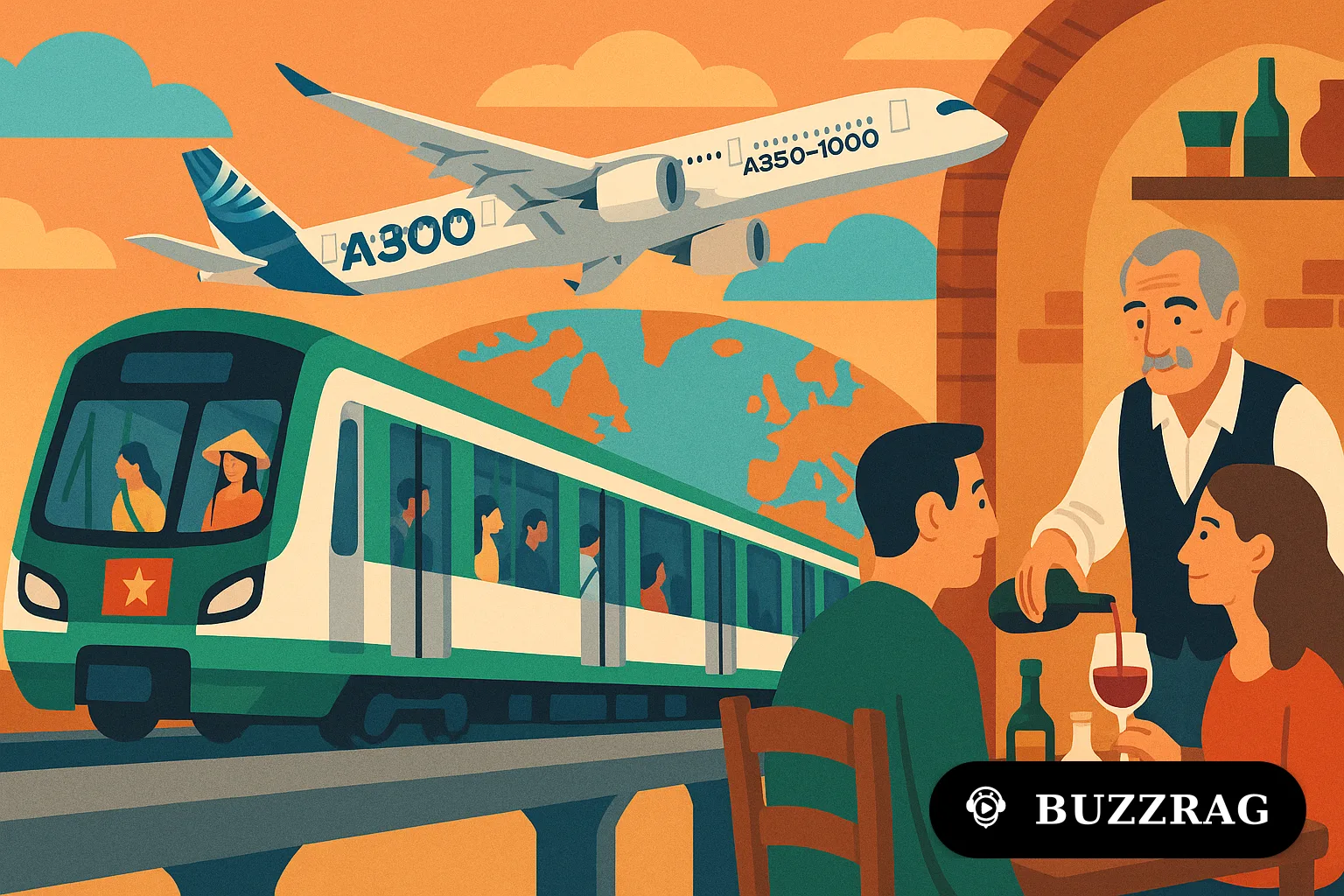
Hyundai Rotem has secured a pivotal contract with Vietnam's THACO, worth 491 billion won, to supply driverless metro trainsets for Ho Chi Minh City's metro Line 2. This deal is part of a broader memorandum of understanding that includes the provision of a signalling system for the same line, marking a significant step in Hyundai Rotem's strategy to establish a solid foothold in Southeast Asia's expanding urban transport market.
The collaboration between Hyundai Rotem and THACO underscores Vietnam's ongoing efforts to modernize its urban infrastructure amidst rapid urbanization and economic growth. The introduction of driverless train technology is expected to enhance the efficiency and reliability of Ho Chi Minh City's public transport system, aiming to alleviate congestion and improve commuter experience. This project is also seen as a model for future urban transit developments in the region.
Observers note that such infrastructure projects can influence regional economic dynamics by attracting foreign investment and fostering technology transfer. As these urban transit systems expand, they also raise questions about sustainable development and the integration of advanced technologies in traditionally manual sectors.
EasyJet Addresses US Takeover Speculation
EasyJet has downplayed the potential of a cut-price takeover by a US investor, labeling the move as 'highly opportunistic'. This comes amid speculations that have stirred the financial markets, reflecting the airline's ongoing strategic maneuvers to stabilize and strengthen its position in the competitive aviation sector.
The airline industry has faced significant challenges in recent years, with fluctuating demand and increased competition affecting profitability. EasyJet's response to these takeover rumors highlights its determination to remain independent and focus on its recovery and growth strategy. The airline has been implementing cost-cutting measures and expanding its route network to enhance its resilience.
Market analysts suggest that the interest from US investors could signal confidence in EasyJet's long-term prospects, despite current market uncertainties. However, any potential acquisition would need to navigate complex regulatory landscapes and shareholder interests, making the situation one to watch closely in the coming months.
Exploring the Range of the Airbus A350-1000
The Airbus A350-1000 is renowned for its impressive operational range of 9,000 nautical miles, enabling airlines to operate some of the world's longest nonstop routes. This aircraft's design incorporates advanced aerodynamics and fuel-efficient engines, making it a preferred choice for long-haul flights by major airlines globally.
The A350-1000's extended range is attributed to its high-performance engines and lightweight composite materials, which contribute to lower fuel consumption and emissions. This makes it not only a technological marvel but also an environmentally conscious choice in an era where sustainability is increasingly prioritized in aviation.
As airlines continue to explore ultra-long-haul routes, the A350-1000's capabilities position it as a critical asset in fleet strategies aimed at connecting distant markets. Its role in shaping the future of air travel underscores the ongoing evolution of aircraft technology and its implications for global travel patterns.
In Search of Turin's Authentic Piòle Taverns
Turin, Italy, is famed for its culinary heritage and the traditional piòle, or working-class taverns, which serve as bastions of authentic local cuisine. However, many of these establishments have succumbed to gentrification, losing their original charm and affordability. The quest for genuine piòle experiences highlights a broader narrative of cultural preservation amidst modern urban pressures.
These taverns, traditionally known for offering hearty meals at reasonable prices, are a reflection of Turin's socio-economic history and the culinary influences of the House of Savoy. As the city becomes more cosmopolitan, the piòle struggle to maintain their identity, caught between the allure of upscale transformation and the demand for authentic, affordable dining.
The survival of piòle poses questions about the sustainability of local traditions in a rapidly changing urban landscape. As Turin navigates its identity, these taverns represent a critical touchstone for understanding the city's cultural evolution and the broader impacts of globalization on local communities.
LATAM 787 Incident at Remote Easter Island Airport
A LATAM Boeing 787 was unexpectedly grounded at Easter Island, one of the world's most remote airports, after an incident involving airstairs that tore off one of the aircraft's doors. This unexpected event has brought attention to the logistical challenges faced by airlines operating in isolated locations.
Easter Island's geographical isolation presents unique operational difficulties, including limited access to repair facilities and parts. As a result, such incidents can lead to extended delays and financial implications for airlines. The situation underscores the complexities of maintaining flight operations in remote areas, where infrastructure support is minimal.
This incident highlights the need for meticulous planning and contingency strategies for airlines operating in challenging environments. Furthermore, it sheds light on the broader aviation industry's ongoing efforts to enhance safety and efficiency in all operational contexts, regardless of location.
Hong Kong Airlines Moves to HKIA Terminal 2
Hong Kong Airlines has transitioned its check-in operations from Terminal 1 to the newly expanded Terminal 2 at Hong Kong International Airport (HKIA). This move marks the airline as the first to utilize the updated facilities, designed to improve passenger experience and streamline airport operations.
The relocation to Terminal 2 is part of HKIA's broader expansion plan aimed at accommodating increasing passenger volumes and enhancing service quality. The new terminal offers advanced self-service check-in and baggage drop facilities, reflecting a growing industry trend towards automation and efficiency in passenger processing.
This strategic move by Hong Kong Airlines aligns with efforts to remain competitive in a bustling aviation hub. As the airline industry recovers and evolves post-pandemic, such infrastructural enhancements are key to attracting travelers and maintaining operational excellence in a high-demand market.
As travel infrastructure evolves, these developments highlight the ongoing transformation of how we connect globally. Whether through metro expansions in Vietnam or advanced aircraft technology, each story reflects broader trends shaping our travel experiences. Stay informed on how these changes may impact future travel dynamics.