BuzzRAG Travel Desk — 2026-06-02

Curated by AI. Mariel Fontaine, Travel Desk Editor
Today's travel trends highlight significant shifts in the travel industry, driven by both technological advancements and strategic decisions by key players. From the impacts of AI on travel economics to the revival of nostalgic train journeys, the landscape is rapidly evolving.
AI Agents Challenge Traditional Travel Economics
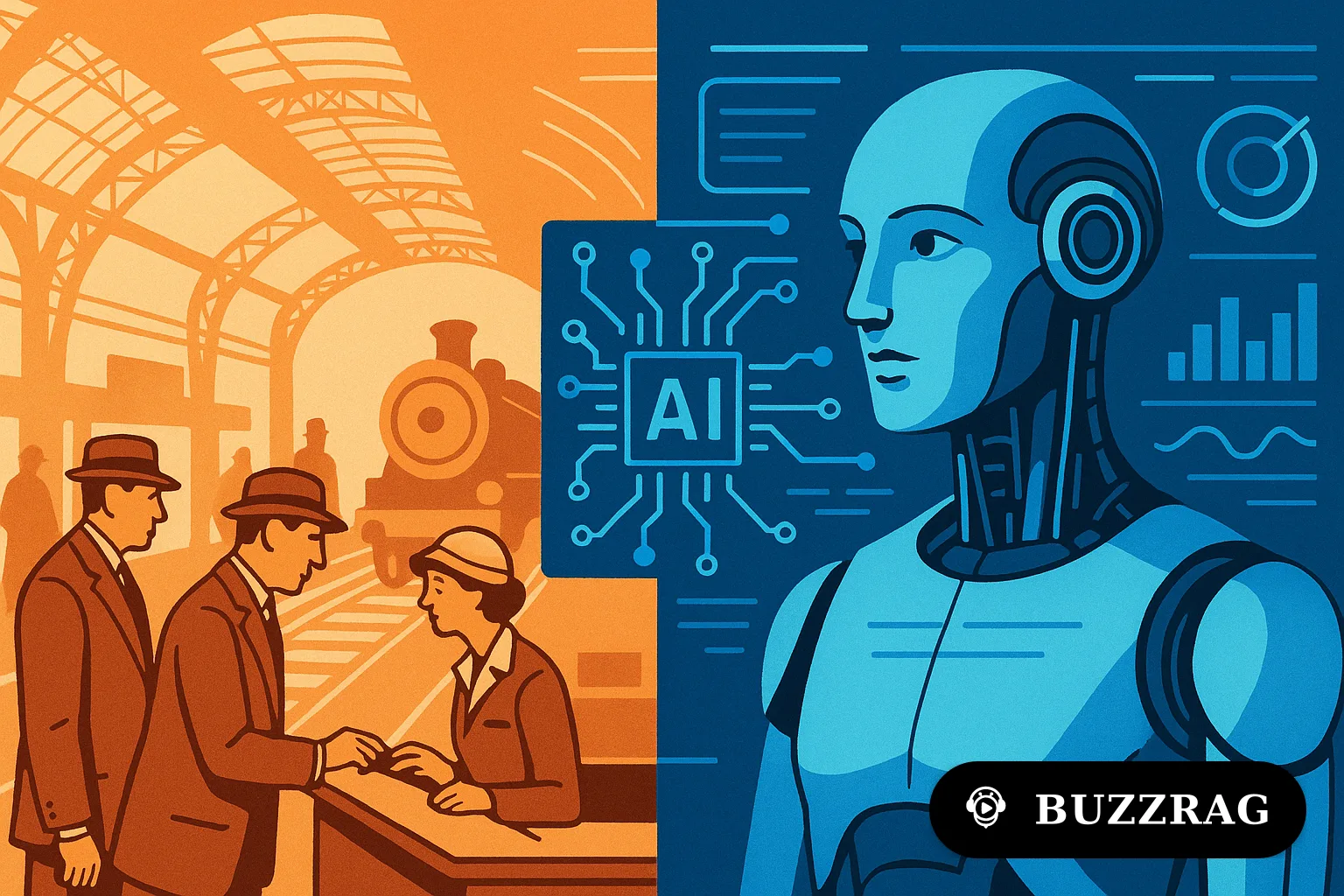
The introduction of AI agents in travel search is revolutionizing how consumers engage with travel services, fundamentally altering the economic landscape of the industry. Unlike human travelers, AI agents can perpetually search for deals, generating new challenges for airlines, hotels, and travel intermediaries trying to manage demand and pricing strategies.
This shift is causing friction within the travel sector. The traditional model relied on finite search behavior, where consumers eventually make a decision and book their travel. With AI, the non-stop searching capabilities mean costs can escalate for companies as they must continually adjust to ensure competitive pricing. This not only impacts profit margins but also how companies strategize their market offerings.
Stakeholders are now grappling with how to adapt their business models in response. As AI becomes more prevalent, companies might need to invest in more sophisticated algorithms to match this technology, or possibly redefine how they handle booking and pricing transparency to stay ahead in this new era.
El Al Resumes Flights to San Francisco
El Al, Israel's flagship airline, has announced the resumption of its direct flights from Tel Aviv to San Francisco, a route that had been suspended during the pandemic. The airline plans to operate three weekly flights starting October 25, marking a significant step in rebuilding its long-haul network.
This move is part of El Al's broader strategy to strengthen its presence on the US West Coast, catering to both business travelers and the significant Israeli diaspora in the region. Restoring this route not only reconnects critical economic and cultural ties but also signals a revitalization of international travel demand post-pandemic, reflecting broader trends in the aviation industry toward recovery and growth.
The resumption is likely to have a positive impact on transatlantic travel, providing more options for passengers and potentially stimulating competitive pricing on this route. It also highlights the ongoing efforts by airlines to restore and expand their pre-pandemic networks, balancing operational feasibility with passenger demand.
Jeffrey Goh Appointed MD at Alton Aviation Consultancy
Jeffrey Goh has taken on the role of Managing Director at Alton Aviation Consultancy in Singapore, bringing a wealth of experience from his previous positions at Gulf Air Group and Star Alliance. His appointment is seen as a strategic move to leverage his extensive industry knowledge and leadership skills.
Goh's career has been marked by significant contributions to major aviation groups, and his leadership is expected to guide Alton Aviation through complex global challenges. His experience with the International Air Transport Association positions him uniquely to address the evolving needs of the aviation sector, which is currently navigating post-pandemic recovery and sustainability efforts.
Goh's move to Alton Aviation signals a continued trend of experienced leaders moving into consultancy roles, where they can influence industry practices and policies on a broader scale. His insights will be crucial as the industry adapts to new technological advancements and consumer expectations.
A Nostalgic Train Journey Through Poland
A new retro train service in Poland offers travelers a chance to experience a nostalgic journey reminiscent of the communist era. Departing from Warsaw to Poznań, this service features vintage carriages and a dining car serving traditional Polish fare like tripe soup and bitter coffee.
This initiative taps into a growing trend of experiential travel, where tourists seek authentic and historical experiences. By offering a journey that recalls the 1980s, the service not only attracts train enthusiasts but also those interested in Poland's rich cultural history. It provides a unique perspective on how historical and cultural narratives can be preserved and made accessible to the public.
The introduction of this service underscores the broader appeal of rail travel in Europe, where sustainability and nostalgia are becoming key drivers of tourism. As more travelers seek out these unique experiences, the potential for similar offerings in other regions could expand, offering sustainable alternatives to short-haul flights.
As the travel industry continues to evolve, the integration of AI and the revival of historical experiences are shaping new travel paradigms. Keep an eye on how these trends will influence future travel behaviors and industry strategies.