BuzzRAG Travel Desk — 2026-05-31

Curated by AI. Mariel Fontaine, Travel Desk Editor
Today’s travel desk highlights the ongoing infrastructure challenges faced by Deutsche Bahn and shifts in the hotel industry's ownership dynamics. We also cover airlines' strategies to enhance passenger safety amid rising concerns.
Deutsche Bahn's Ongoing Infrastructure Struggles
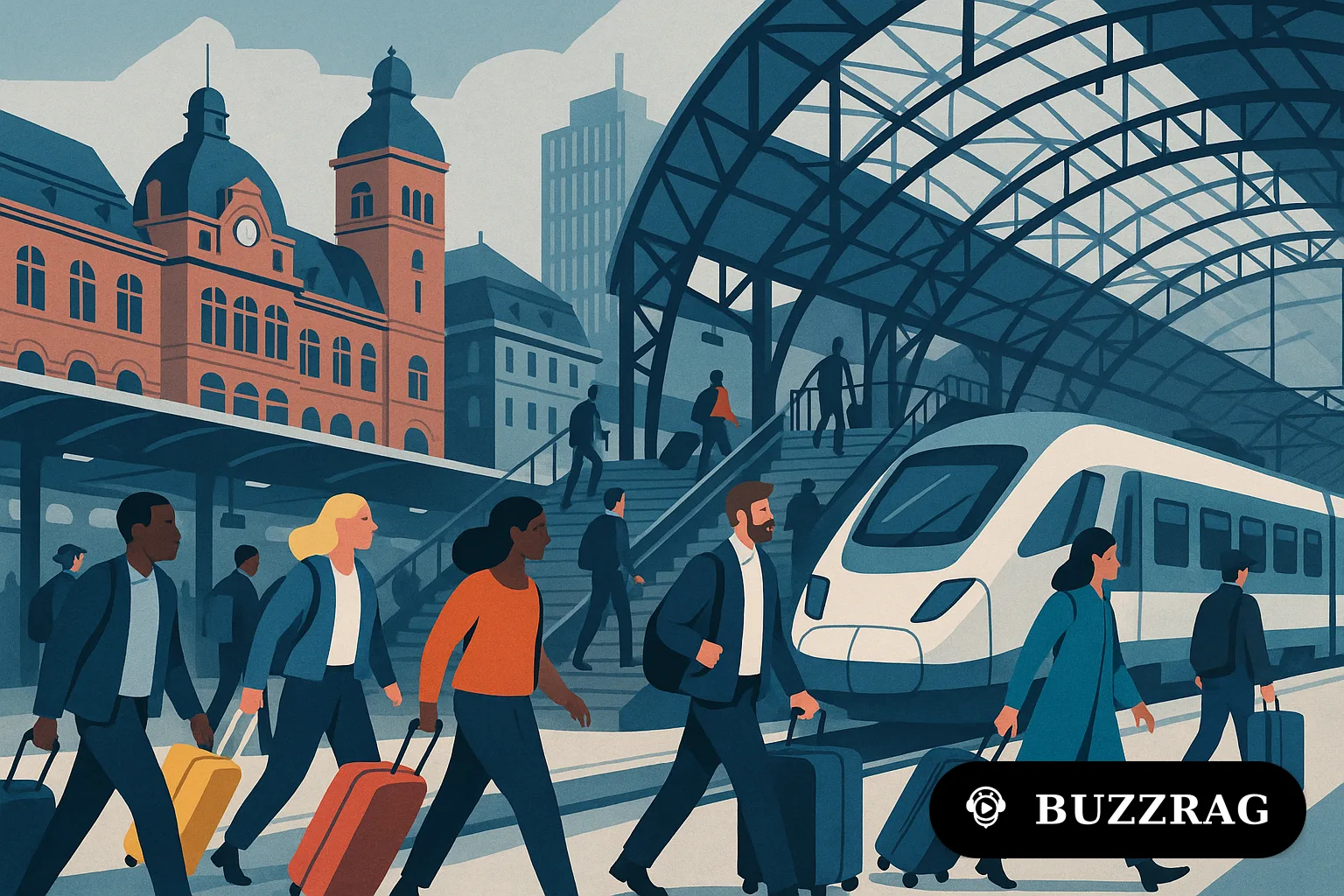
Deutsche Bahn continues to face significant infrastructure challenges, despite increased investment. The reopening of the Hamburg-Berlin main line on June 14, following a lengthy nine-month closure, exemplifies the struggle. This refurbishment, although necessary, has exposed the underlying issues in project management and execution delays.
The German railway operator has been under pressure to modernize its infrastructure to meet growing demand and improve service reliability. However, the extended closure of key routes like Hamburg-Berlin highlights the obstacles in implementing such large-scale improvements. These delays contribute to public frustration and raise questions about the efficiency of Deutsche Bahn's planning and execution strategies.
Looking ahead, Deutsche Bahn's ability to effectively manage these infrastructure projects will be crucial. The success of future refurbishments hinges on overcoming bureaucratic hurdles and improving operational efficiency to restore public trust and enhance Germany's transportation network.
Shifting Dynamics in Hotel Ownership
The hotel industry is experiencing a shift towards an owner-first model, challenging the previously dominant asset-light strategy favored by operators. This transition is bringing to light the pressures faced by property owners who are responsible for the tangible assets while operators have reaped the rewards of a lighter balance sheet.
As these dynamics evolve, operators with experience on both sides of the equation stand to navigate the shift more successfully. Those who understand the intricacies of property ownership and management are better positioned to balance profitability with sustainability, potentially reshaping industry standards.
Industry observers are watching closely to see how these changes will impact hotel operations and investor relations. The move could lead to more collaborative approaches between owners and operators, prioritizing long-term value over short-term gains. This evolution may redefine how success is measured in the hospitality sector.
American Airlines' New Safety Approach to Turbulence
American Airlines is implementing a new approach to minimize in-flight turbulence injuries by securing cabins earlier during descent. This decision comes in response to data indicating that approximately 25% of turbulence-related injuries occur during this phase of flight.
By adjusting its descent protocol, American Airlines aims to enhance passenger safety and reduce injury incidences. This proactive measure reflects a growing emphasis on passenger well-being as airlines seek to improve overall travel experience amid increasing turbulence events attributed to climate change.
The airline industry will be monitoring the effectiveness of this strategy, which could set a precedent for other carriers to follow. As airlines strive to adapt to environmental changes, innovative safety measures like these may become standard practice, ultimately reshaping how airlines address in-flight safety challenges.
Controversy Over Southwest's New Size Policy
Southwest Airlines is facing backlash after a passenger's public humiliation at Miami International Airport brought attention to its new Customer of Size policy. The incident has sparked widespread criticism and discussions about the airline's approach to accommodating passengers of different sizes.
This policy requires passengers who cannot fit comfortably in a single seat to purchase an additional seat, a practice aimed at ensuring comfort and safety for all passengers. However, the implementation and communication of this policy have raised concerns about sensitivity and inclusivity.
As the airline industry grapples with balancing economic and customer service pressures, Southwest's experience could influence how airlines address similar challenges. The incident underscores the importance of clear communication and compassionate handling of sensitive issues to maintain customer trust and brand reputation.
As infrastructure challenges persist and industry dynamics shift, the travel sector continues to evolve in response to new pressures. Travelers and industry stakeholders alike will be keenly observing how these developments unfold, shaping future travel experiences.