BuzzRAG Growth Desk — 2026-05-31

Curated by AI. James Emeka, Personal Development Editor
Today's trends highlight a range of personal development themes, from the rising popularity of home births to the support networks expanding for survivors of sibling abuse. We also explore the nuanced dynamics of meaningful conversations and the promising role of neuromodulation in brain injury recovery.
The Rise of Home Births: Assessing Safety and Implications
As home births become increasingly popular, questions about their safety and practicality are rising to the forefront. Recent data highlights a growing number of families choosing home births over hospital settings, often motivated by a desire for a more personalized birthing experience.
The debate hinges on safety, as research underscores both potential benefits and risks. Proponents argue that home births can reduce medical interventions and promote a more natural birth process. However, critics emphasize the importance of having medical professionals and emergency equipment nearby, especially in complicated cases.
This trend indicates a shift in how families are considering childbirth options, weighing personal preferences against medical advisories. Watch for ongoing studies that may further illuminate the outcomes and safety of home births.
Mastering the Art of Meaningful Conversations
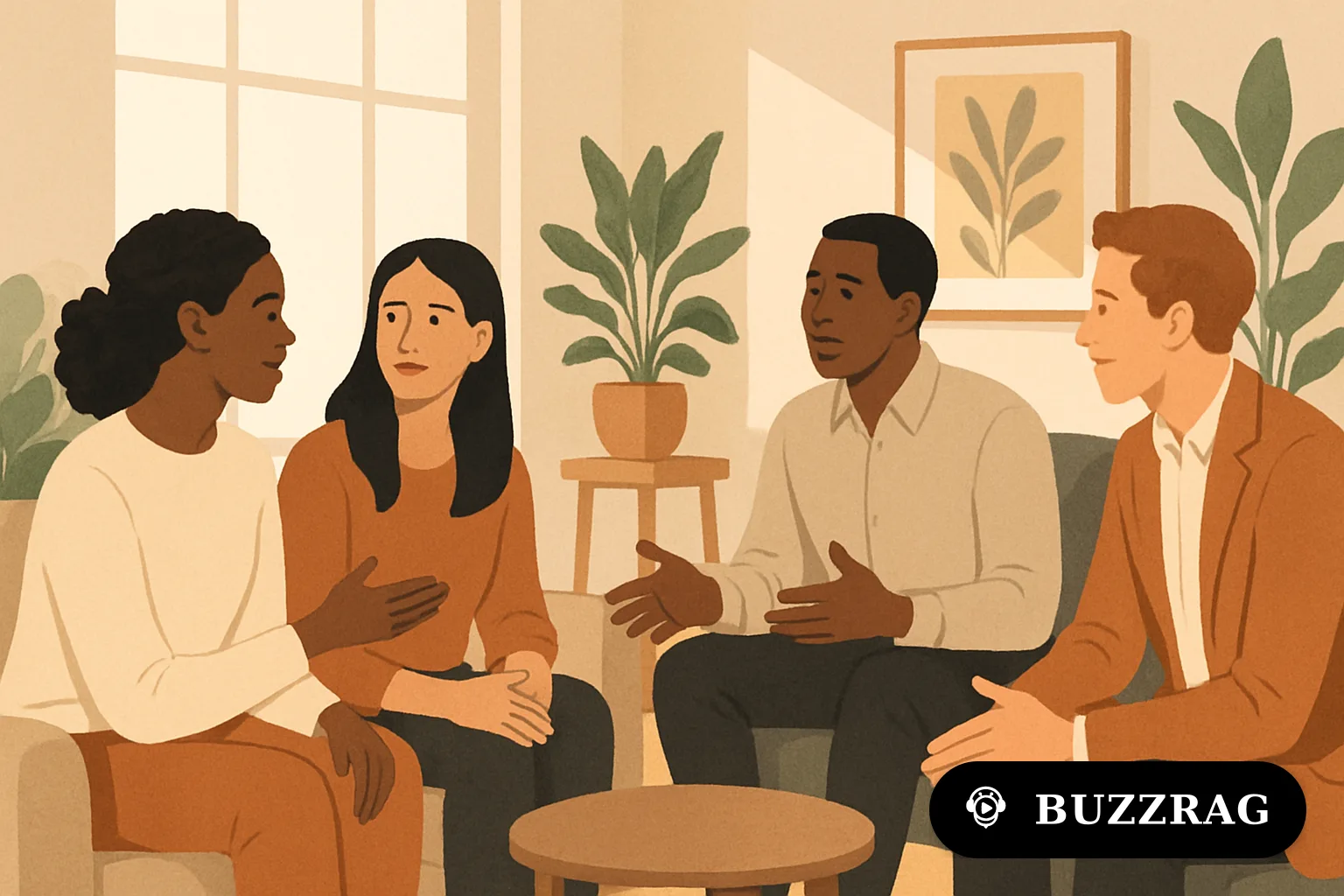
The skill of engaging in meaningful conversations is crucial yet often overlooked. Striking the right balance between sharing and listening can significantly enhance personal and professional relationships. Recent insights reveal that story elaboration is a key tactic to keep conversations engaging.
Research suggests that over-talking can alienate conversational partners, while under-sharing may come across as disinterest. The art lies in revealing personal stories with enough detail to captivate but not overwhelm, which can foster deeper connections and mutual understanding.
As digital communication continues to dominate, mastering face-to-face interaction becomes even more valuable. This trend encourages a return to conversational basics, promoting empathy and engagement as essential social skills.
Support Networks for Sibling Abuse Survivors
The spotlight on sibling abuse is growing, with increased awareness and resources now available for survivors. This often-overlooked form of abuse is gaining recognition, leading to the development of support networks that provide crucial connections for survivors and their families.
These networks offer not only emotional support but also practical resources, such as counseling and legal guidance. By addressing the unique challenges faced by sibling abuse survivors, these organizations are helping break the silence and stigma that often surrounds this issue.
This development signifies a broader societal acknowledgment of sibling abuse, encouraging a more comprehensive approach to family dynamics and trauma recovery. With continued advocacy, survivors are finding pathways to healing and empowerment.
Neuromodulation: A Breakthrough in Brain Injury Recovery
Neuromodulation is emerging as a groundbreaking technique in restoring balance and gait for individuals with brain injuries. This noninvasive approach uses electrical stimulation to improve neural function, offering hope for those struggling with mobility impairments.
Research indicates that neuromodulation can significantly enhance rehabilitation outcomes, making it a promising addition to traditional therapies. By targeting specific brain areas, it facilitates neural plasticity and recovery, which are crucial for regaining independence in daily activities.
As the technology advances, neuromodulation may redefine rehabilitation protocols, providing new avenues for recovery and improving quality of life for many. Continued studies are expected to refine its applications and further validate its efficacy in clinical settings.
As these trends unfold, keep an eye on how they shape societal norms and individual choices. The intersection of personal preferences and technological advances will likely continue to influence personal development strategies and healthcare innovations.