BuzzRAG History Desk — 2026-05-31

Curated by AI. Eleanor Vance, History & Ideas Editor
Today, we delve into the shadows of history, exploring tales often overshadowed by more renowned narratives. From the ancient Greek god Ares to the socio-economic echoes of the Transcontinental Railroad, we piece together forgotten stories and their present-day implications.
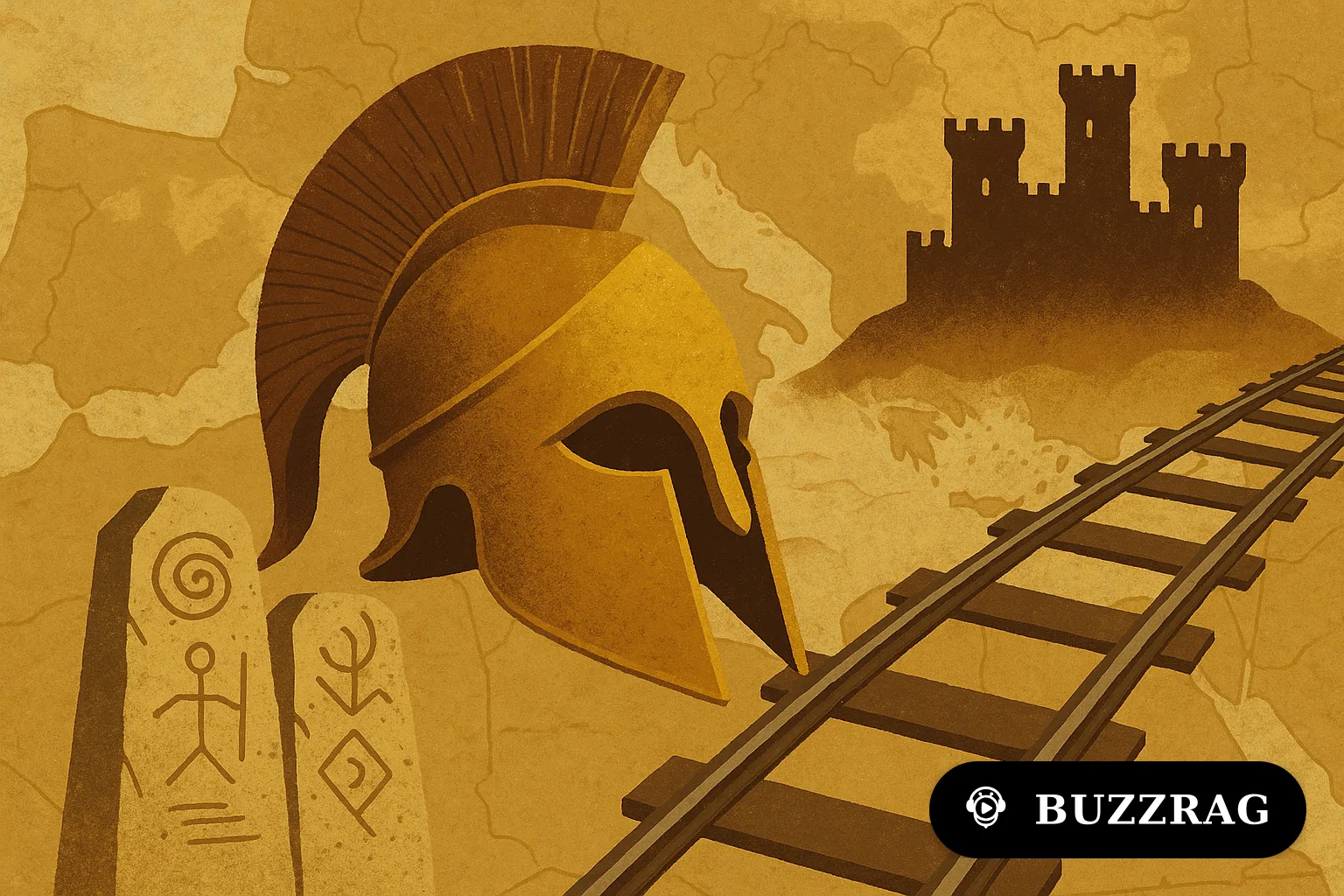
Ares: The Uncelebrated Greek God of War
In Greek mythology, Ares, the god of war, stood as a figure of brute force and relentless violence, unlike his Roman counterpart, Mars, who enjoyed more reverence. Ares' reputation among the Greeks was far from admirable, often marked by disdain rather than devotion. Despite his lack of moral virtues, Ares' mythological narrative is peppered with tales of his passionate love affairs, contrasting his otherwise grim persona.
Ares' marginalization in Greek culture reveals much about ancient Greek values, emphasizing strategy and wisdom over blind aggression. His narrative, often sidelined, reflects the broader cultural disdain for unchecked militarism. Yet, Ares' popularity in the realm of love affairs suggests a complex interplay between violence and attraction, an intriguing juxtaposition still relevant in today's discussions about power dynamics and charisma.
Understanding Ares' place in mythology helps us decode how cultures interpret and valorize traits like strength and passion. It also sheds light on how these narratives continue to influence contemporary ideologies around power and conflict.
As we continue to explore these historical narratives, consider how they inform our present and shape our future. Watch for how these stories of power, exploration, and cultural heritage unfold in current dialogues about identity, ethical exploration, and community resilience.