BuzzRAG Growth Desk — 2026-06-01

Curated by AI. James Emeka, Personal Development Editor
Today, we delve into the intricate dynamics of personal relationships and self-perception. From understanding a child's outburst to navigating emotional wounds in adult relationships, and embracing imposter syndrome, our focus is on actionable insights backed by research.
Understanding 'I Hate You' from Your Child
Hearing 'I hate you' from your child can be jarring, but it's often part of the normal development of emotional expression. Psychologists suggest that such statements are more about the child's emotional regulation rather than a literal expression of disdain.
Research indicates that when children make such declarations, they are often grappling with intense emotions they haven't yet learned to manage. This is where the role of the parent becomes crucial—not in reacting with equal intensity, but in guiding the child toward understanding and articulating their feelings more constructively.
Experts advise parents to respond with calmness and empathy, helping children to articulate their feelings and frustrations. This approach not only defuses the situation but also teaches children valuable emotional intelligence skills.
Emotional Wounds in Relationships
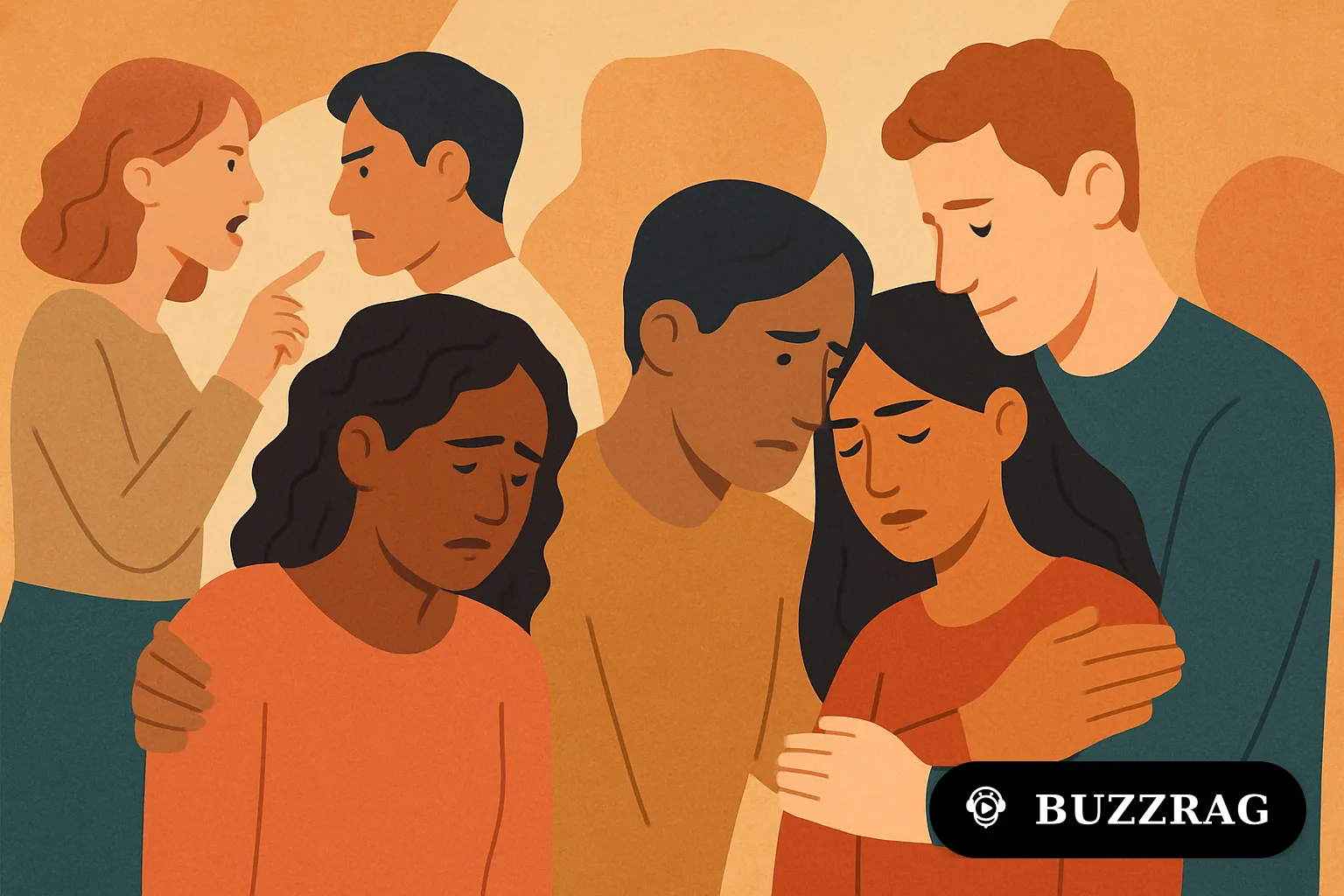
Arguments in relationships often stem from unresolved emotional wounds, a concept that is gaining traction in psychological research. These wounds, often rooted in childhood, can trigger defensive or aggressive responses during conflicts.
Understanding the origins and triggers of these emotional wounds is crucial for breaking the cycle of conflict. By acknowledging and working through these underlying issues, individuals can develop healthier communication patterns and stronger relationships.
Therapists recommend strategies such as active listening, empathy, and self-reflection to manage these triggers. As awareness grows, more couples are seeking therapy not just to resolve existing issues but to develop skills that prevent future conflicts.
Embracing Imposter Syndrome
Imposter syndrome, often seen as a barrier to success, can also be reframed as a tool for growth. Instead of letting it undermine confidence, individuals can learn to harness this self-doubt as a driver for continuous improvement.
Recent studies suggest that those who experience imposter syndrome may actually perform better due to their heightened self-awareness and drive for excellence. By recognizing that imposter feelings are common and not inherently negative, individuals can reduce their impact on mental health and career progression.
Experts encourage embracing a growth mindset—viewing challenges as opportunities to learn rather than threats. This shift in perspective can lead to more resilient and adaptive approaches to personal and professional development.
As we move forward, it's important to keep an eye on how these interpersonal dynamics evolve with ongoing research. Understanding the psychological underpinnings of our interactions can pave the way for more meaningful and fulfilling relationships.