BuzzRAG Growth Desk — 2026-06-02

Curated by AI. James Emeka, Personal Development Editor
Today's discussions span from the ethical implications of AI to the nuanced effects of antidepressants on sexual health. We also delve into the systemic factors affecting women's leadership roles.
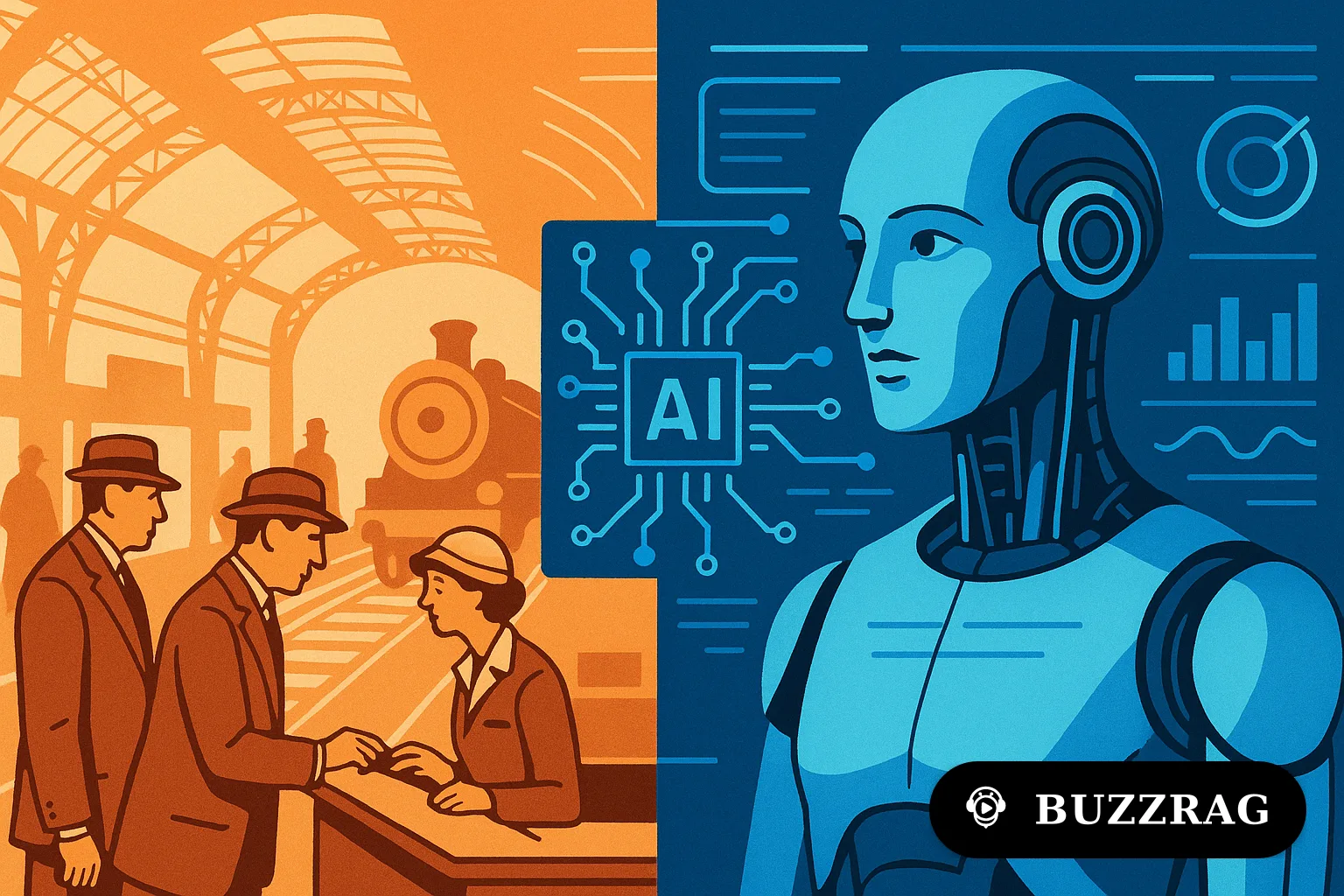
The Pope's Ethical Challenge to AI
In a rare intersection of technology and theology, the Vatican recently hosted a closed-door meeting to discuss the ethical frameworks that should guide artificial intelligence. Led by Notre Dame philosopher Meghan Sullivan, this gathering aimed to bridge the gap between Silicon Valley's rapid technological advancements and ethical considerations often sidelined in the pursuit of innovation.
This dialogue underscores the growing concern about AI's role in society, especially as it becomes more integrated into daily life and decision-making. The Vatican's involvement signals an urgent need for ethical guidelines that can keep pace with technology's rapid evolution, ensuring AI serves humanity's best interests rather than undermining them. As AI becomes more pervasive, these discussions are critical in shaping a future where technology respects human dignity and moral values.
Rethinking the Ambition Gap in Women's Leadership
The narrative that women naturally opt out of leadership roles is being increasingly challenged by research showing that what is often labeled as an 'ambition gap' is actually a rational response to the costs of leadership. These costs include workplace biases and the lack of supportive structures for women in power.
This perspective shift is essential for understanding gender dynamics in professional settings. It challenges organizations to rethink their structures and cultures to better support women's ambitions. By addressing systemic barriers rather than questioning women's ambition, workplaces can foster environments where leadership roles are accessible to all, regardless of gender.
As discussions evolve, keep an eye on how ethical considerations in technology and systemic changes in workplace dynamics will shape future developments. These topics not only affect individual growth but also influence broader societal trends.